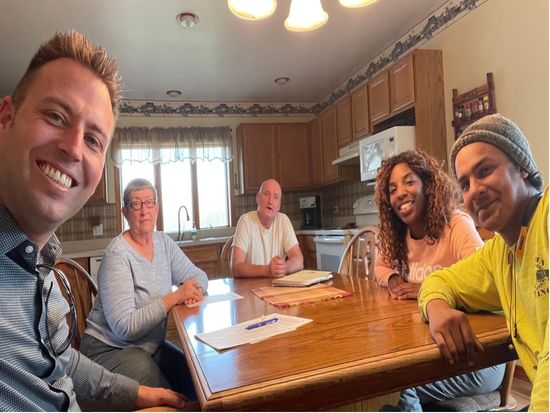
Filling out listing paperwork, disclosures, and questionairre
Understanding Your Needs and Priorities
Identifying which type of seller you are allows me to guide the selling process to meet your needs. There are 3 main types of sellers.
Seller group 1 – (The most common group of sellers) – sellers that want to sell for the highest price, in the shortest amount of time. For this to happen, a house needs to be in the best condition in can reasonably be in, and the standard showing process would follow this track.
Seller group 2 – sellers that don’t need top dollar, but want to sell immediately. Examples of this scenerio are commonly some estate sales, some divorce situations, foreclosure, or 1031 exchange.
Seller group 3 – sellers that have a house that needs work, and wants to sell as-is, without completing pre-listing work. Examples of this scenerio are commonly estate sales, house flippers/investors, or family’s that move an elderly parent to assisted living and need to sell the eldery parent’s home.
Seller group 1 is what this listing presentation is crafted around. If you are seller group 2 or 3, then there are some adjustments we make to the plan.
About Me (Tony Anczer) And My Team
About Tony
As a kid I was always interested in building construction and land development. In high school I had a summer jobs working for a landscaper in Frankfort, IL that would landscape new houses and also worked for a home developer (Philippe Builders in Crete, IL) cleaning up new home construction sites, helping with framing and finish work. (I also had some fun jobs such as working at Tony’s Pizza in Beecher, IL, Dyer Auto Auction in Dyer, IN, and Walt’s grocery store in Crete, IL).
In college I studied civil engineering and graduated in 2003 with a degree in civil engineering. After college I worked for a civil engineering consultant and designed and managed construction for land development, public infrastructure, and residential subdivisions. I received my professional civil engineer license in 2003, received my Indiana real estate license (RB15000191) in 2014, and received my Illinois real estate license (475.175895) in 2017.
I grew up in South Holland thru 5th grade, then Beecher from 6th grade through college, then got married to my high school sweet heart and we moved to Dyer Indiana. We lived in Dyer for 18 years, had 2 kids that are now in middle school and high school, and moved to St. John in 2024.
About My Team
Tony Anczer, Realtor
Lisa Anczer, Realtor
Brad Philiponi, Photo Editor
Jennifer Hankins
Closing Coordinator, Fidelity National Title (Indiana)
Shannon Steiner
Closing Agent, Fidelity National Title (Indiana)
Stephanie Greenberg
Attorney Partner (Illinois)
Greenberg & Sinkovits, LLC
During the sale process I will be your primary point of contact. In Indiana, all communication goes through me. In Illinois things work a little different since attorneys are involved, and once we accept an offer on your home, then Stephanie and her paralegal Dawn Ray will also be in the communication loop for attorney related tasks.
Lisa Anczer – Lisa is my wife and business partner and she does office administration work for our business.
Brad Philiponni – Brad’s team completes photo editing of the listing photos
Jennifer Hankins – for Indiana sales, Jennifer is who I coordinate to get all the closing paperwork ready for closing.
Shannon Steiner – for Indiana sales, Shannon is who completes the closing – if you attend closing, Shannon will be the person telling you where to sign each document and will provide you your closing proceeds check or wire.
Stephanie Greenberg – Stephanie and her paralegal Dawn Ray process the sales contracts and prepares title work to get all the documents ready for closing.
How We Position Your House Sell Quickly, And For Top Dollar
The short answer to the question of “what makes a house sell quickly, and for top dollar?” – is proper marketing, and proper pricing.
The 3 main factors I focus on to sell your home are: 1) presenting your home to the market in the best light possible, 2) proper pricing, and 3) positioning your home so that it stands out amongst competing listings at similar price point to your home.
Professional Photography
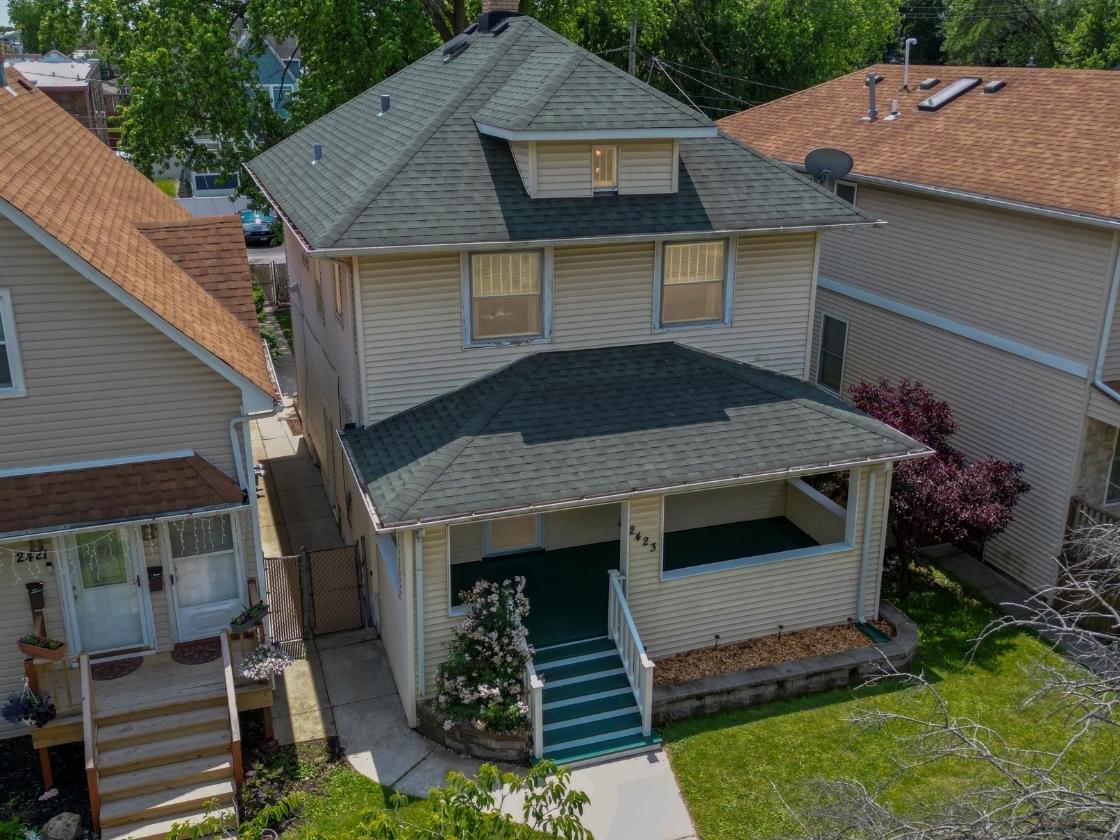
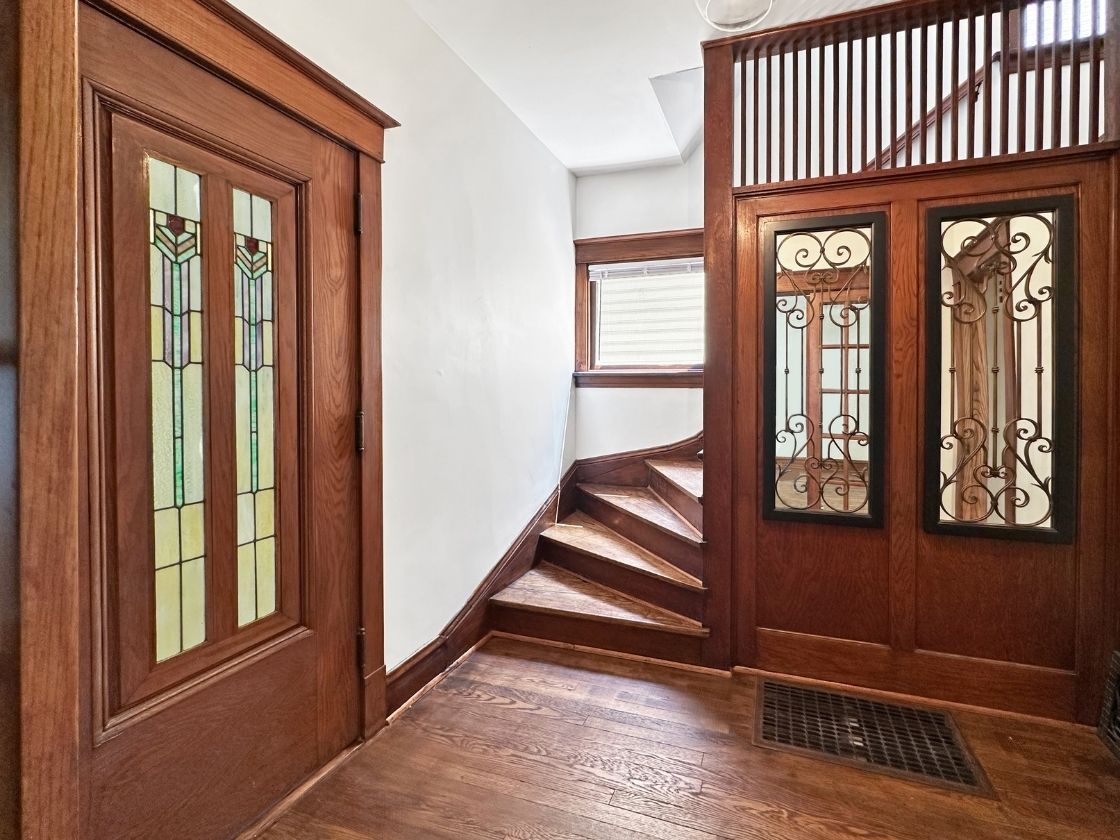
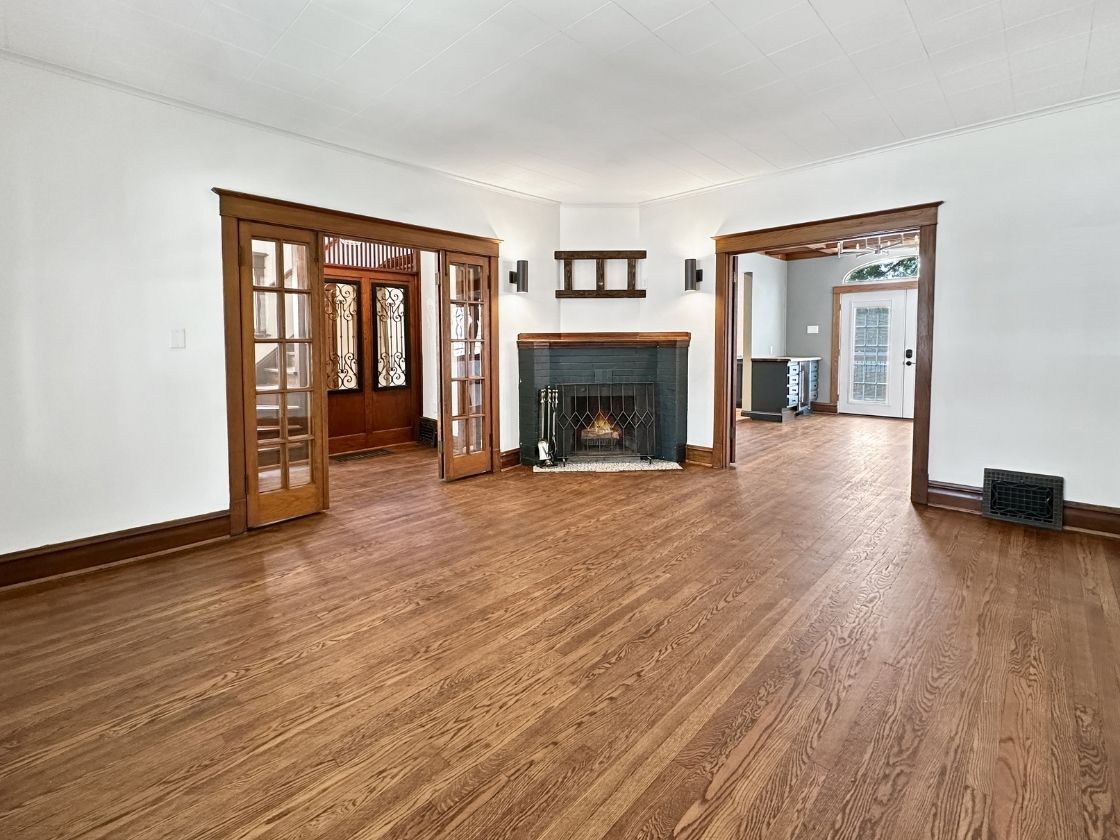
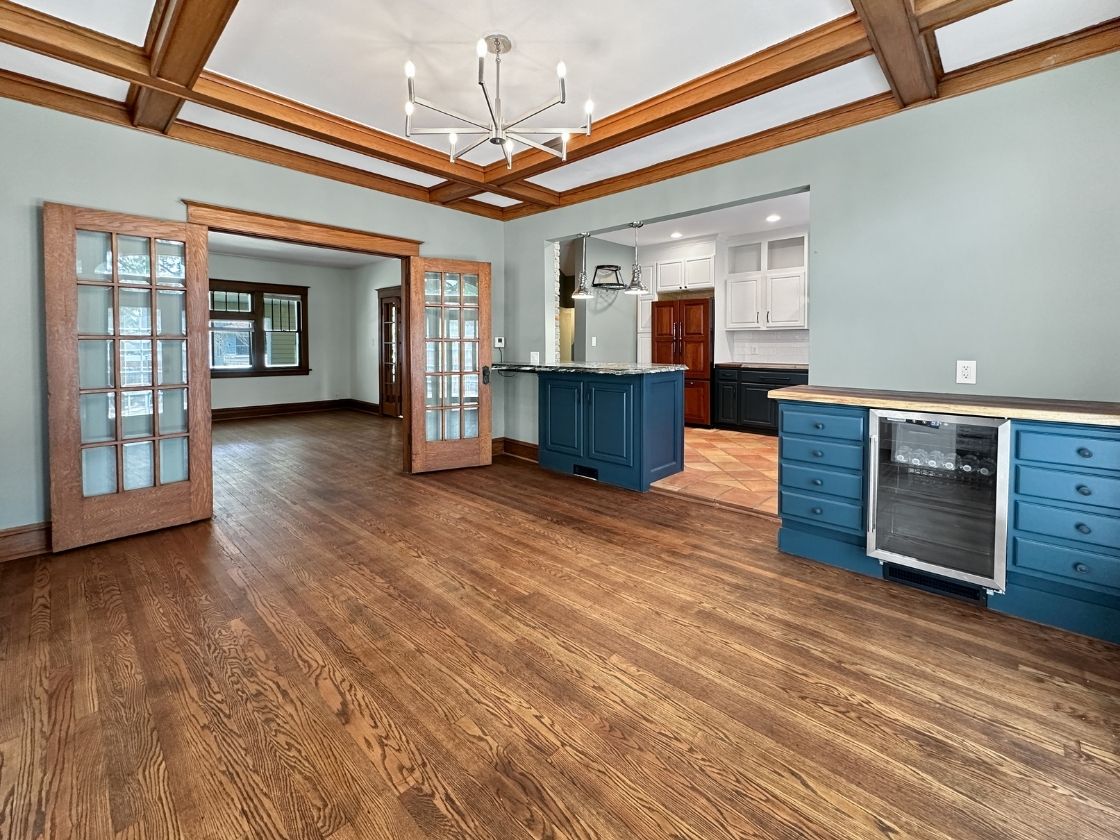
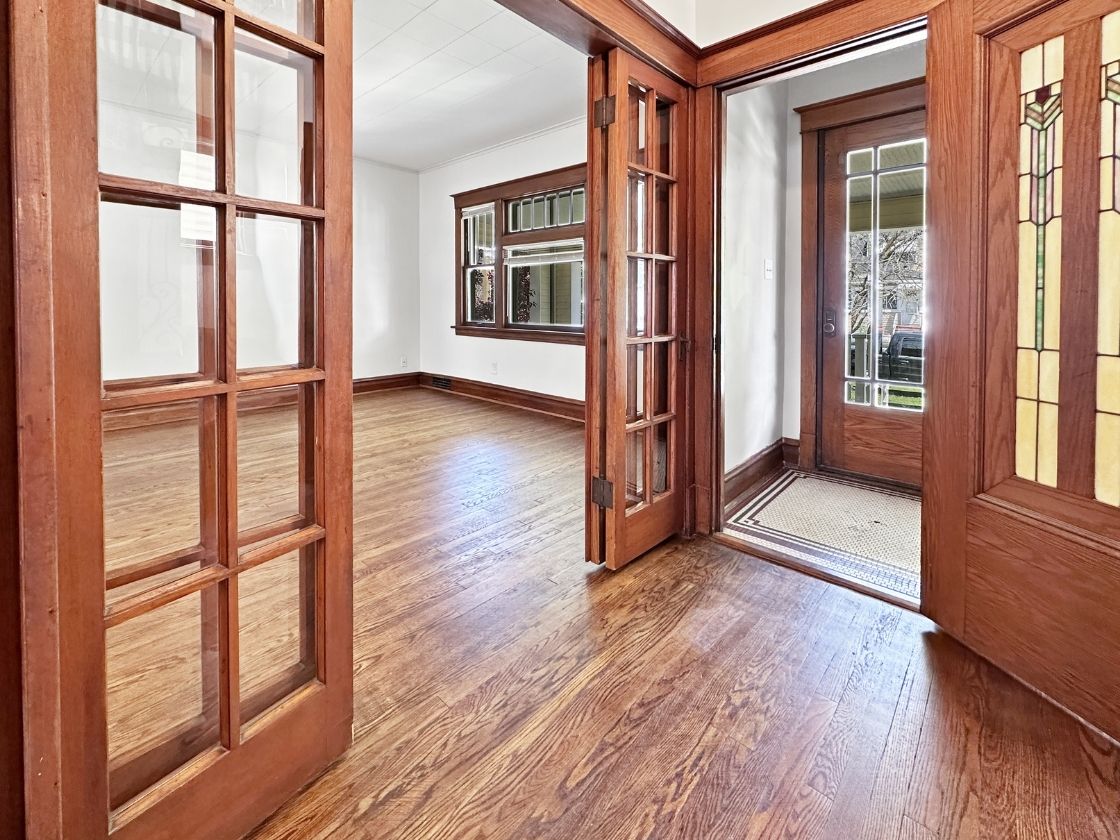
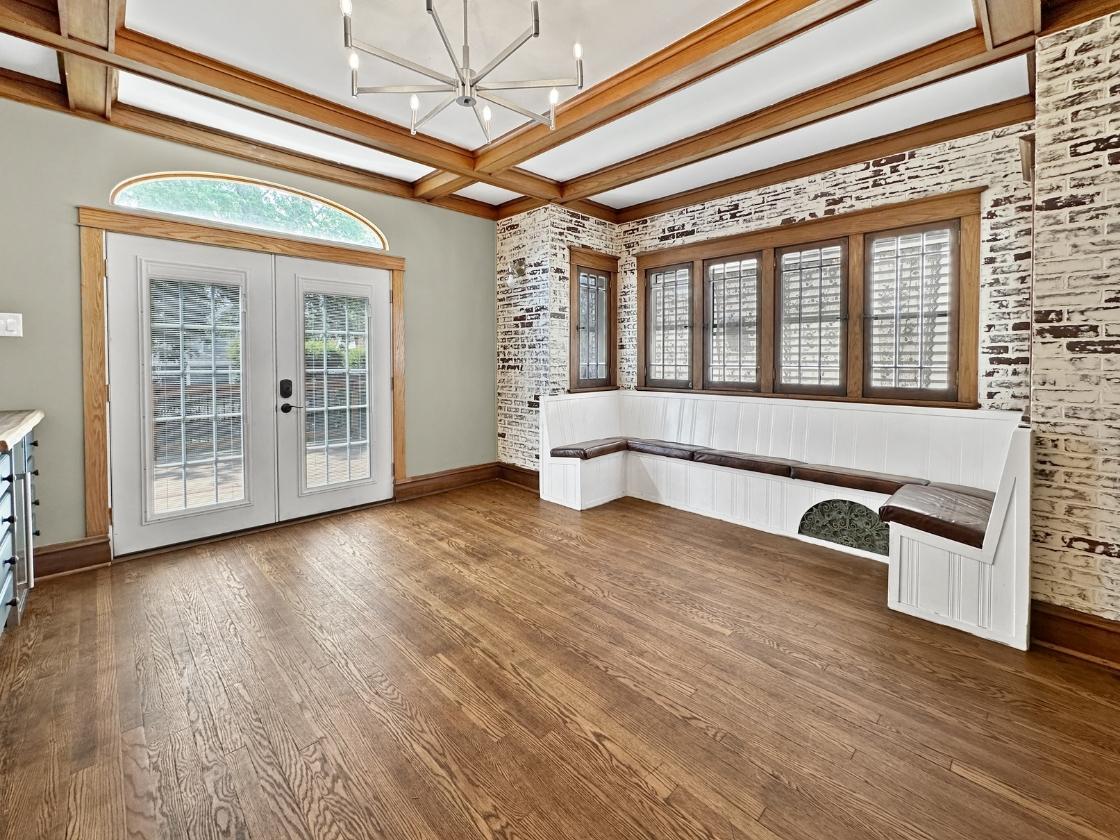
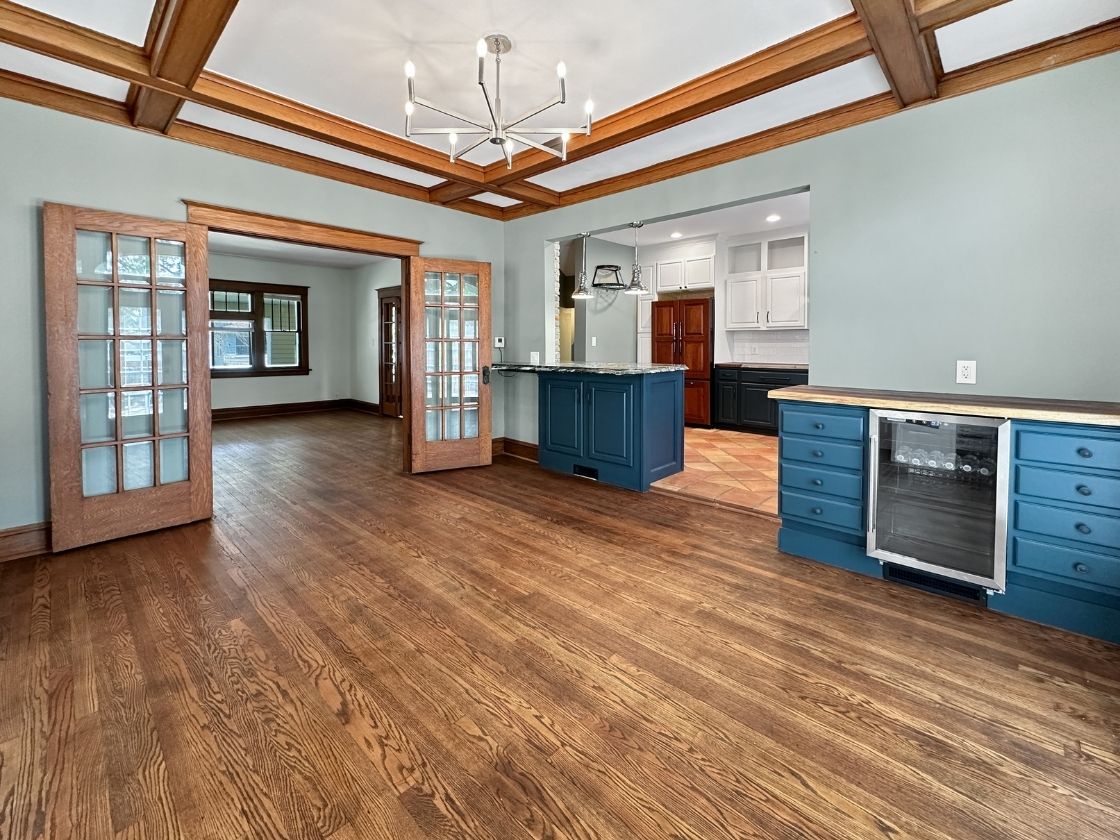
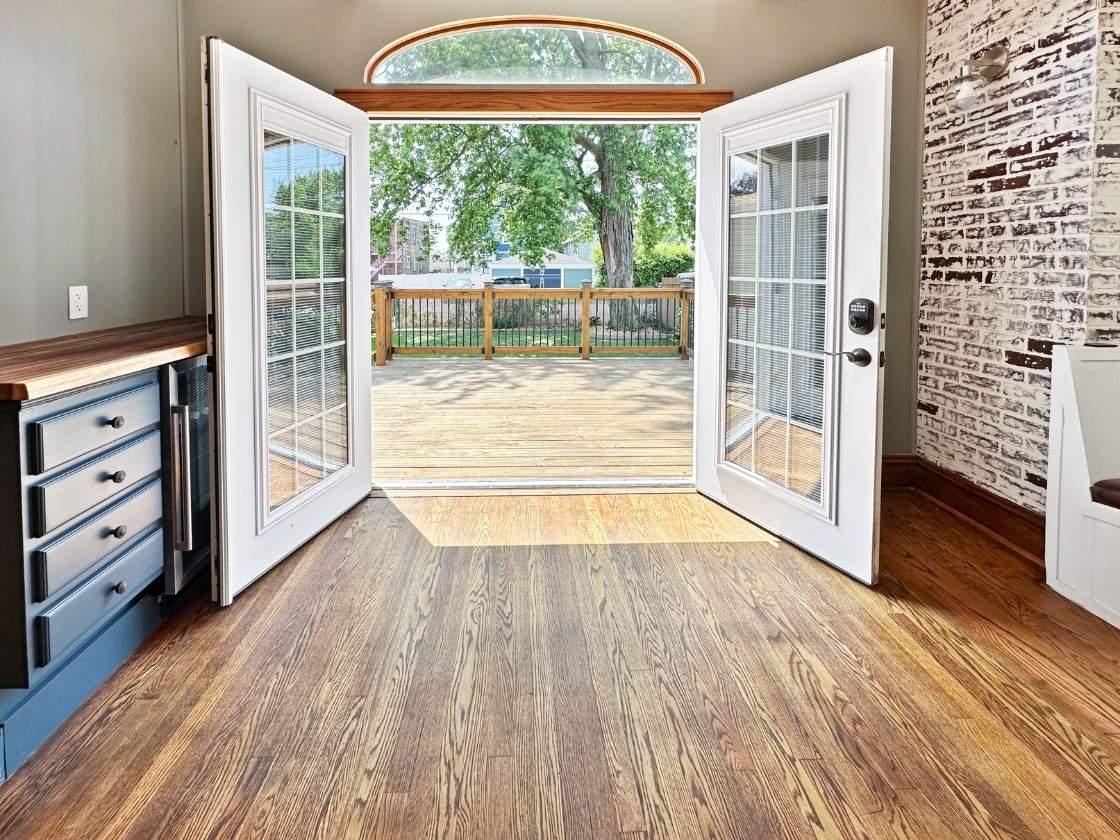
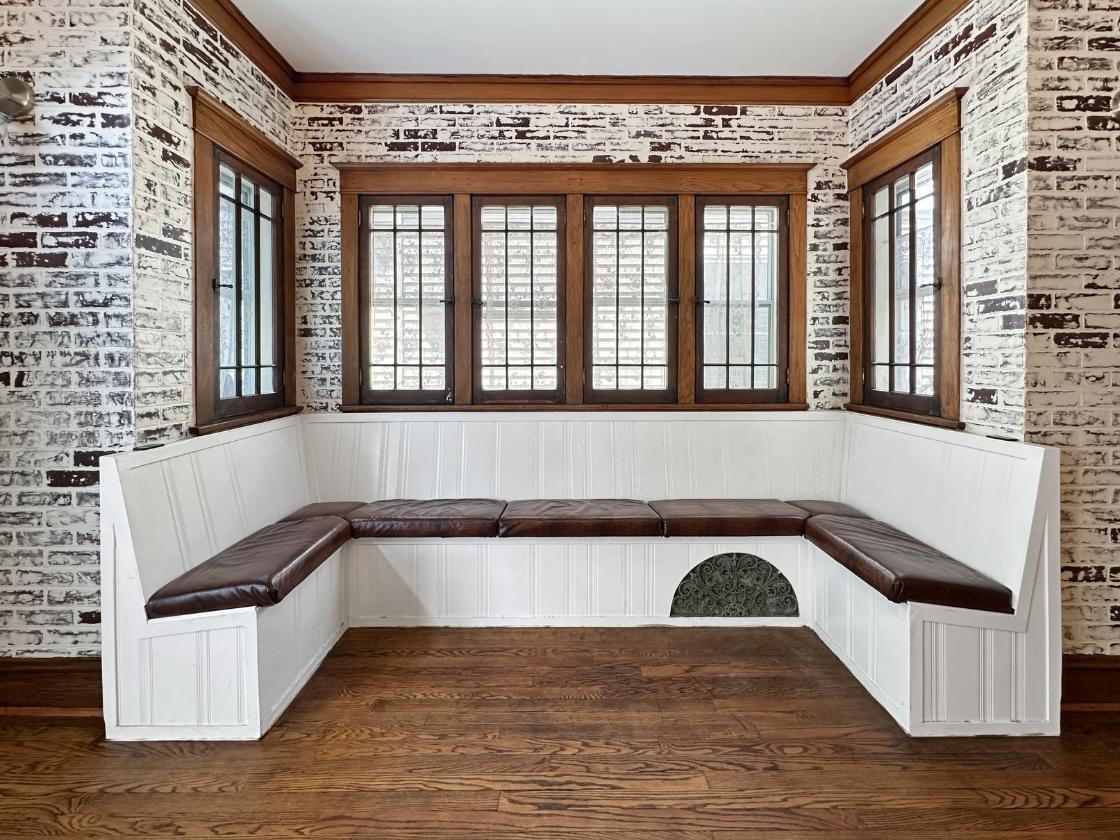
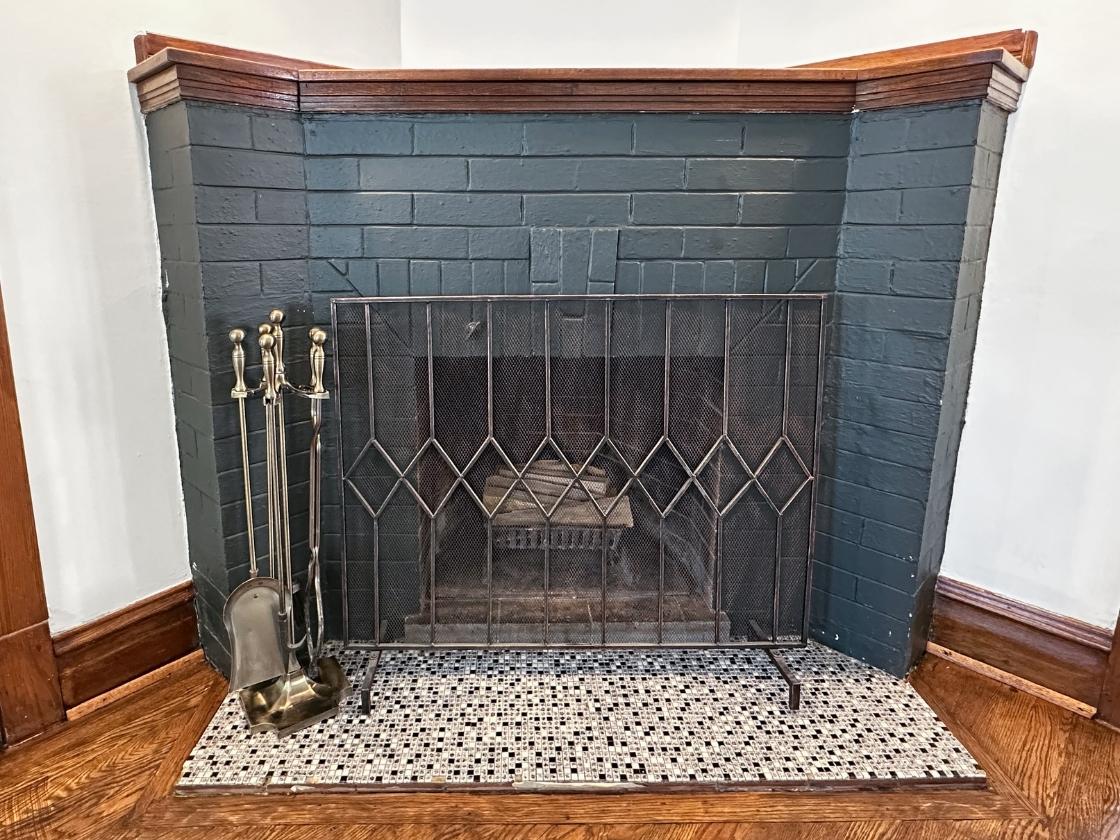
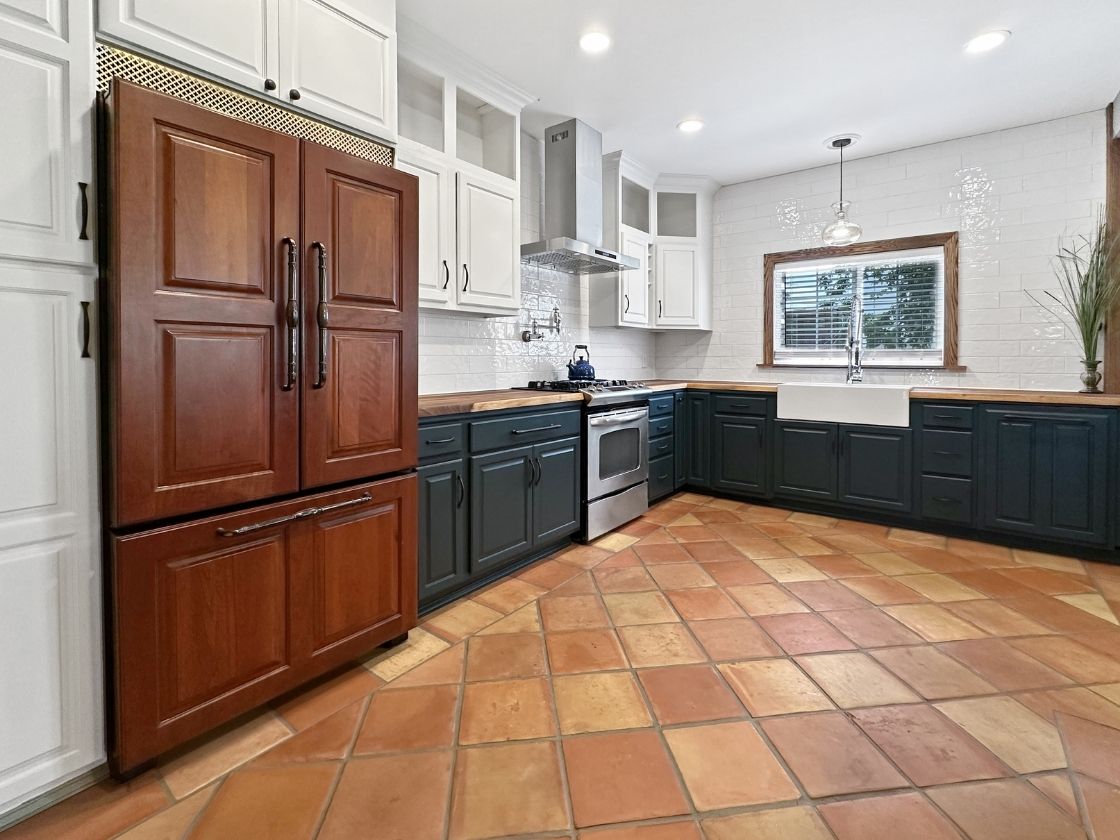
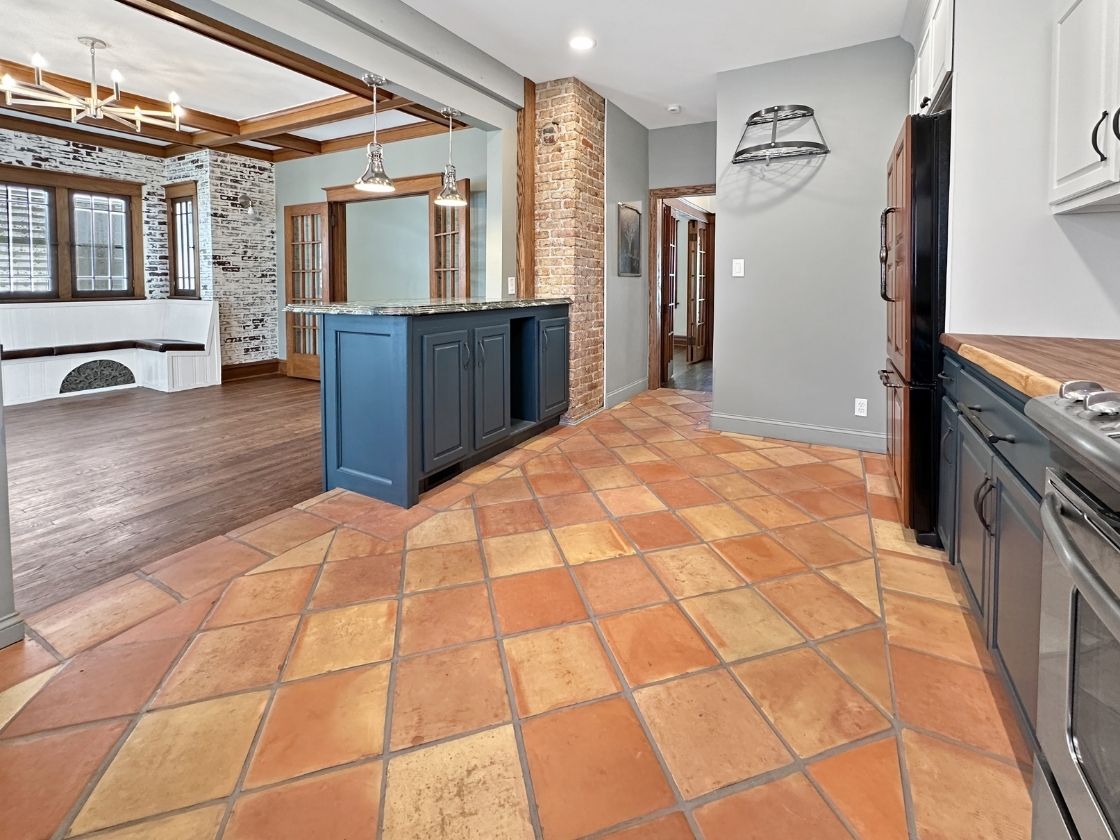
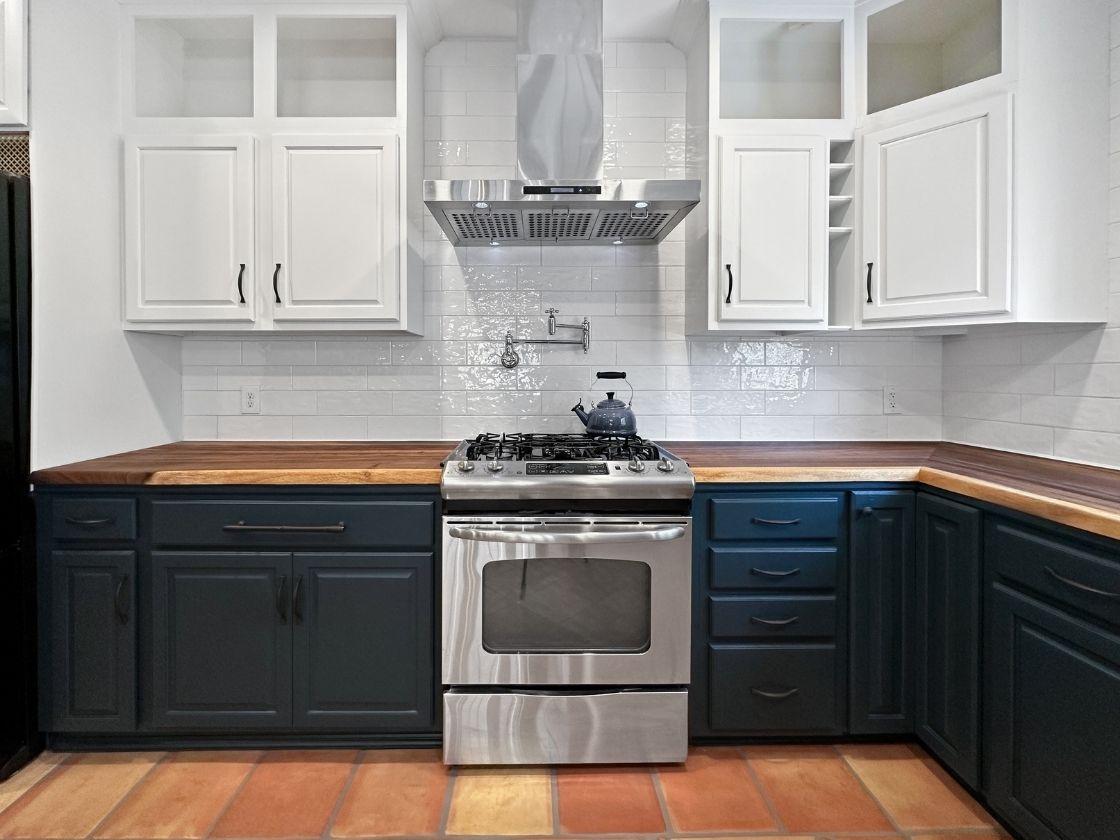
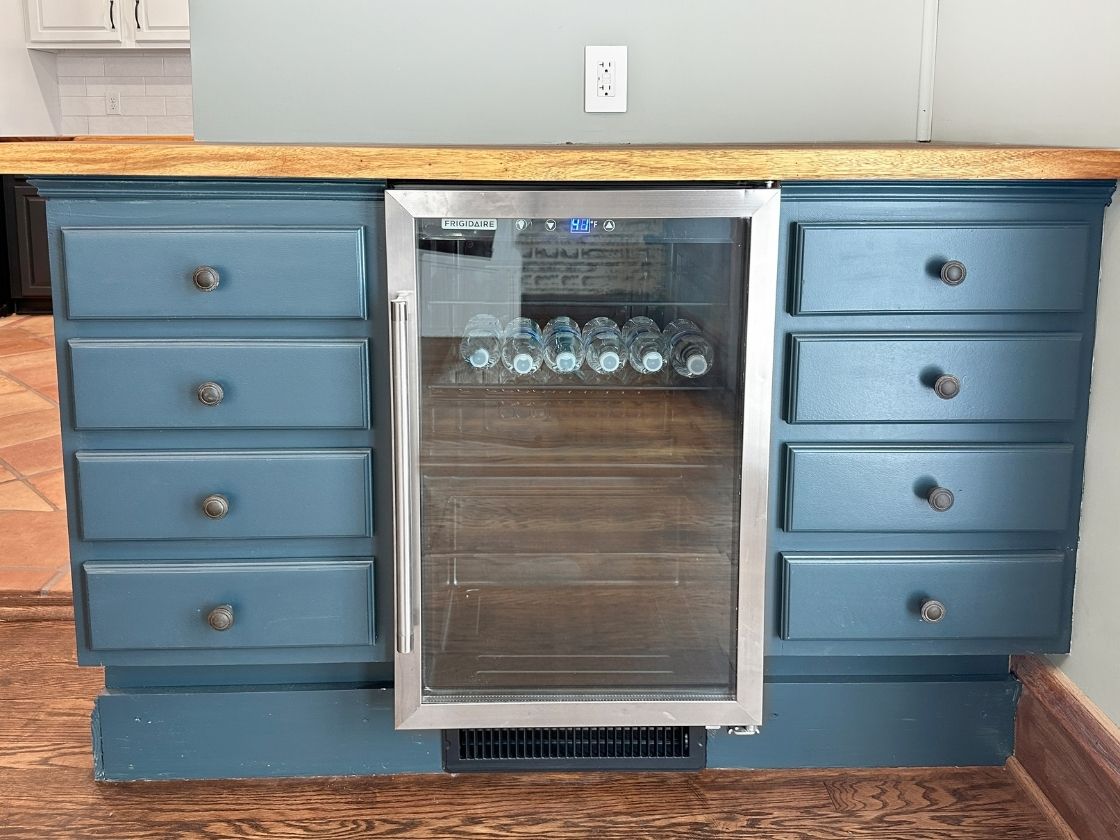
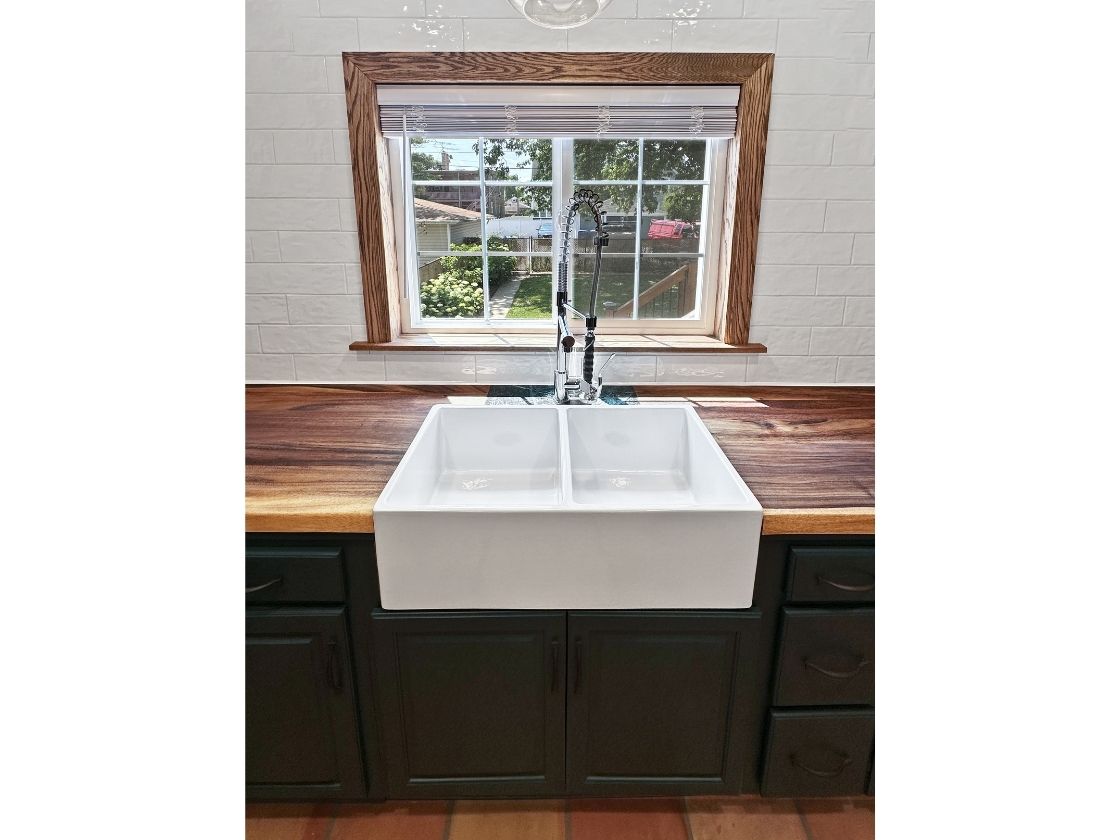
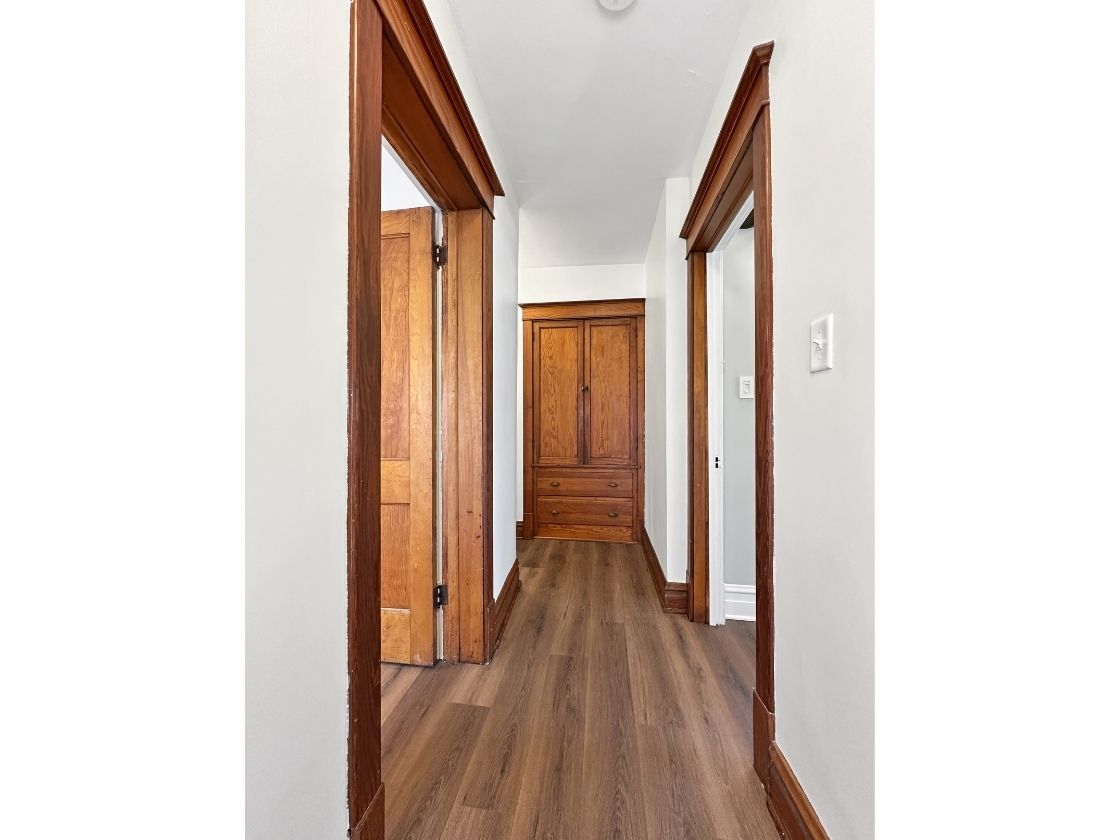
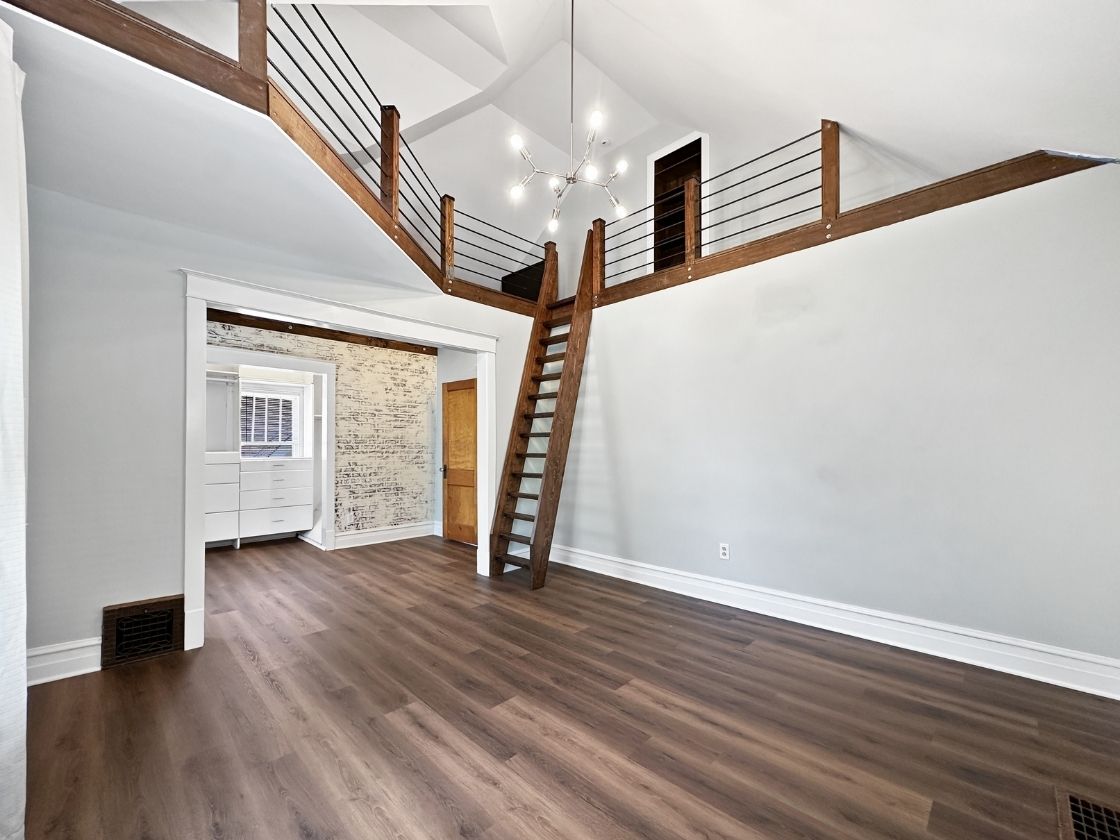
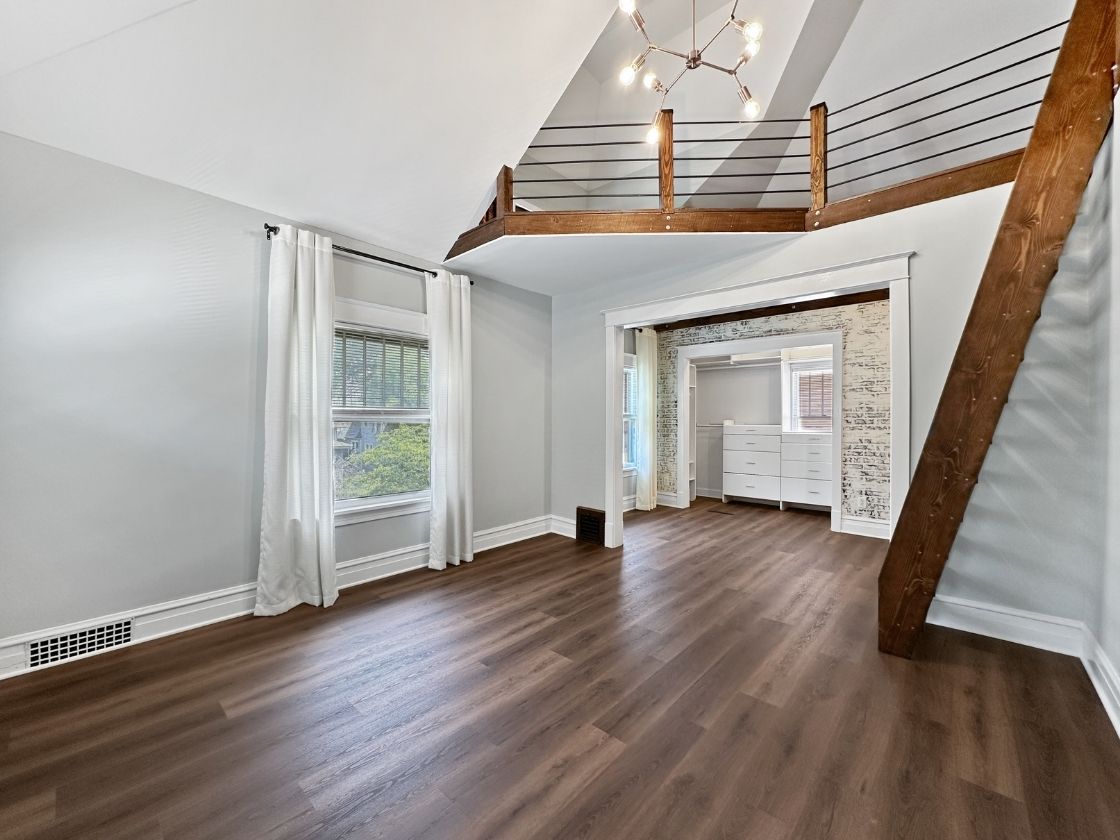
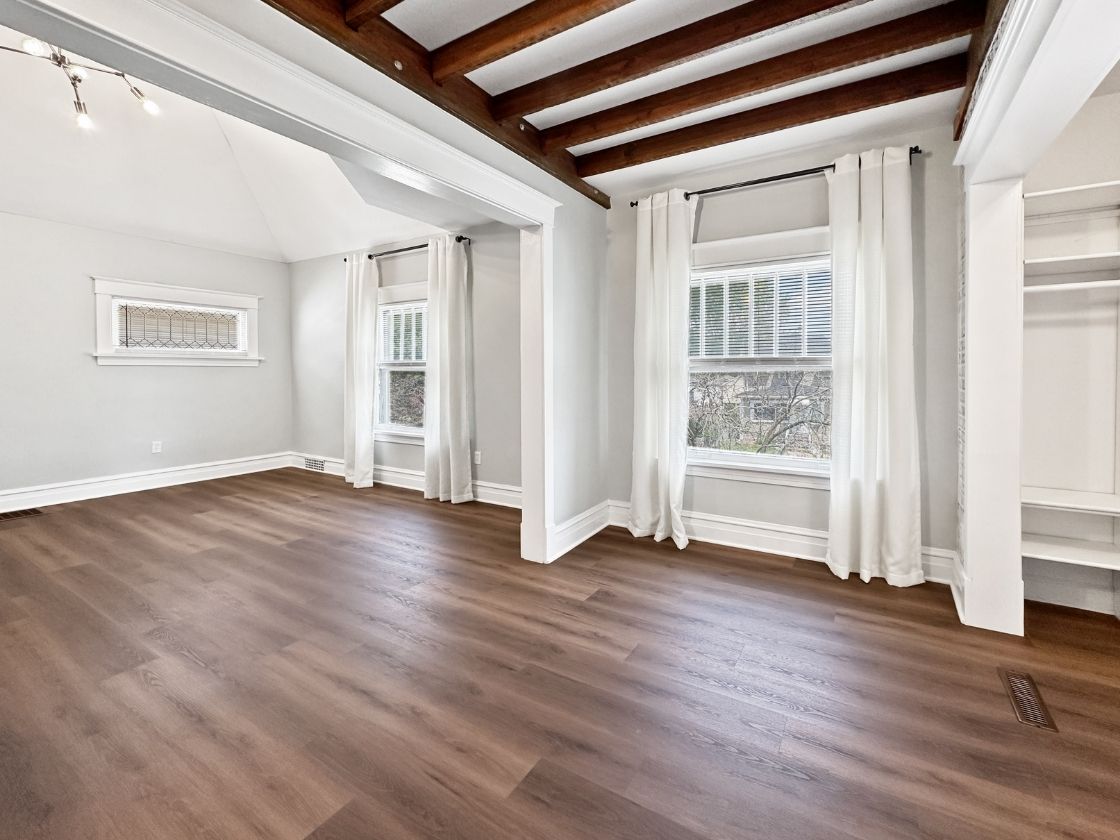
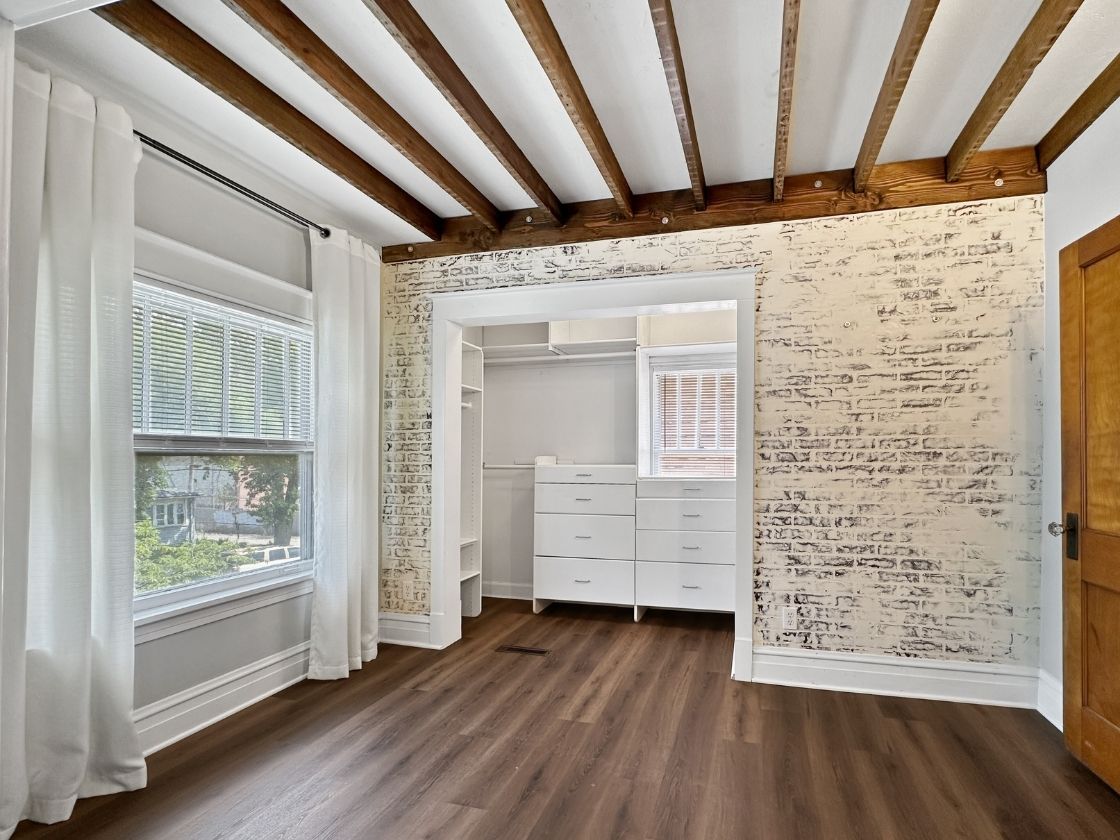
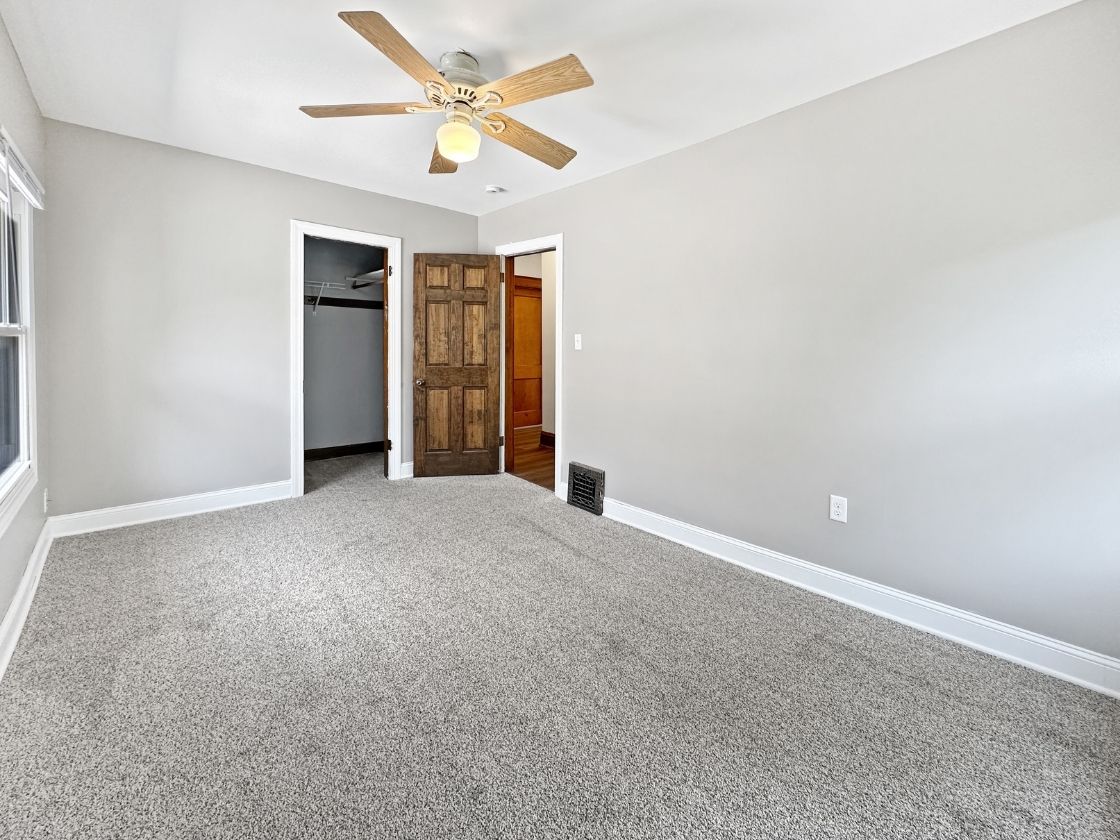
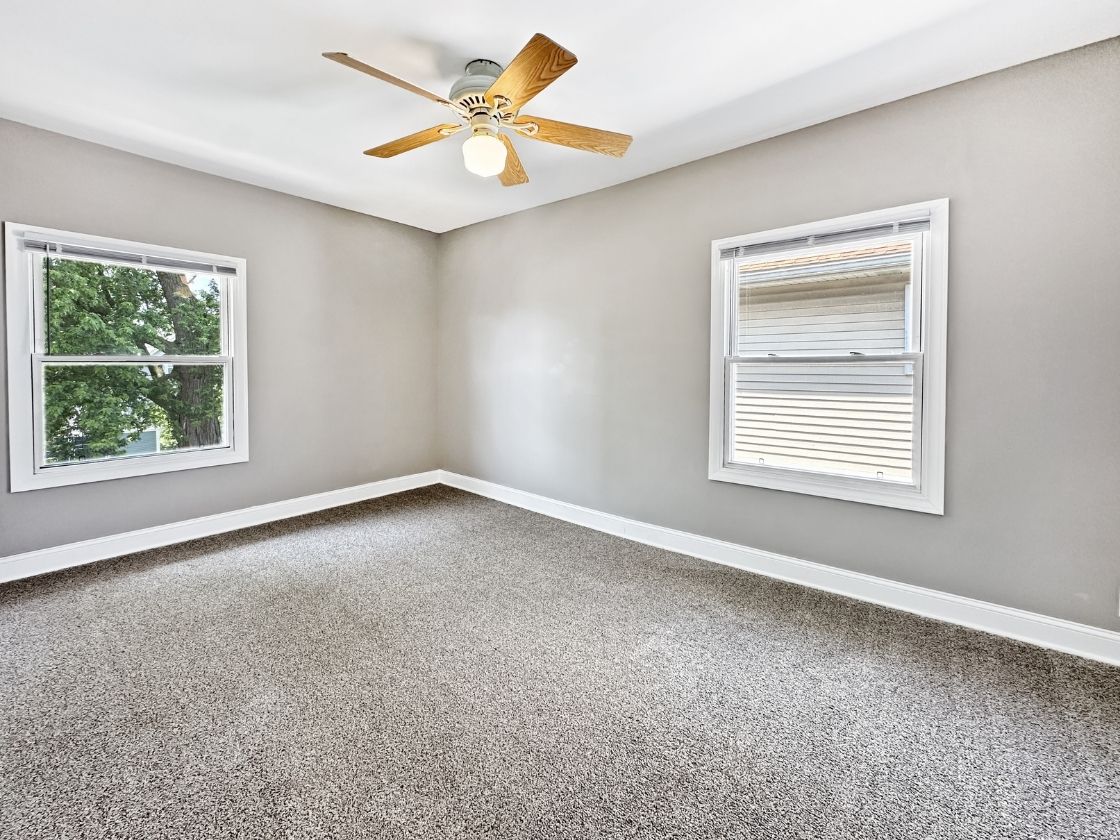
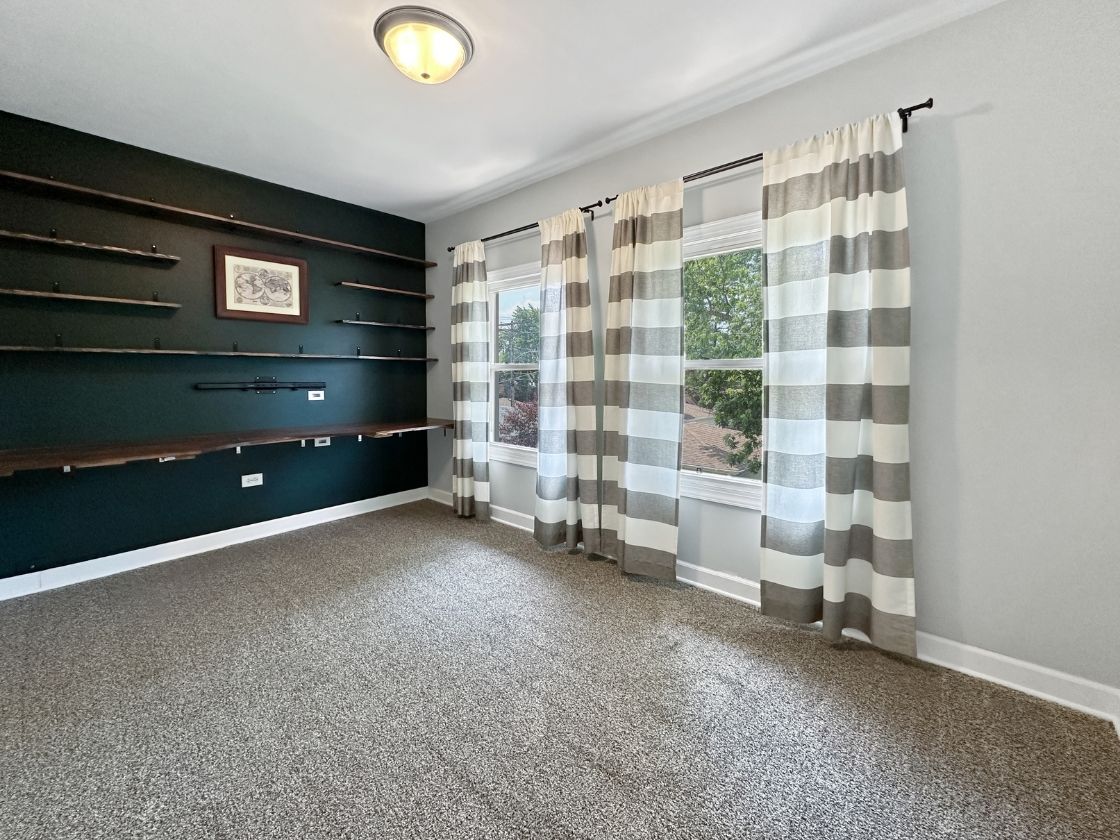
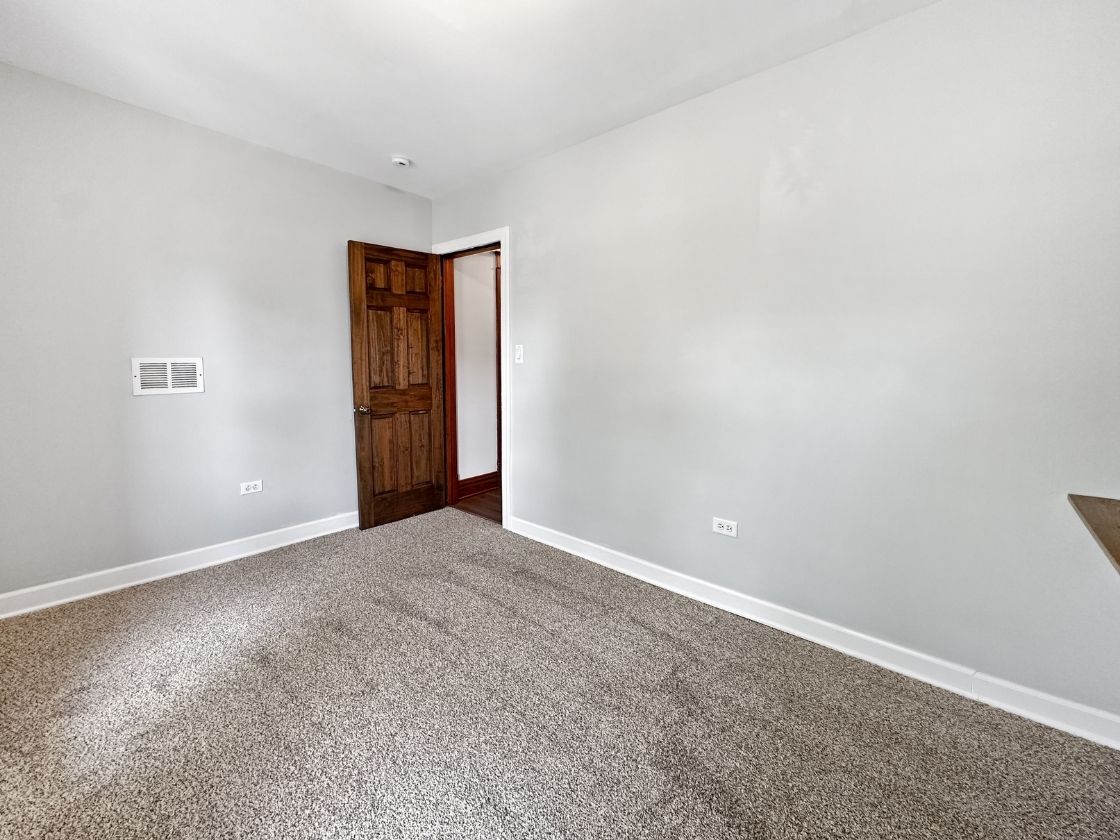
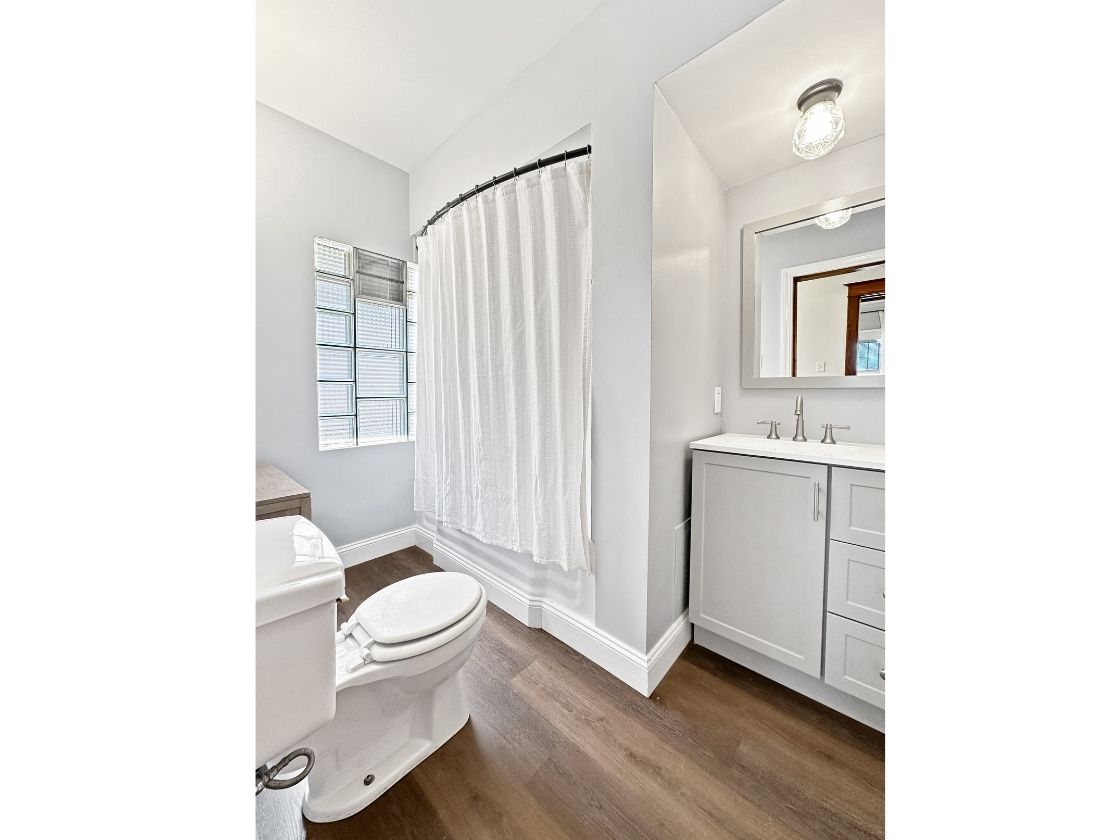
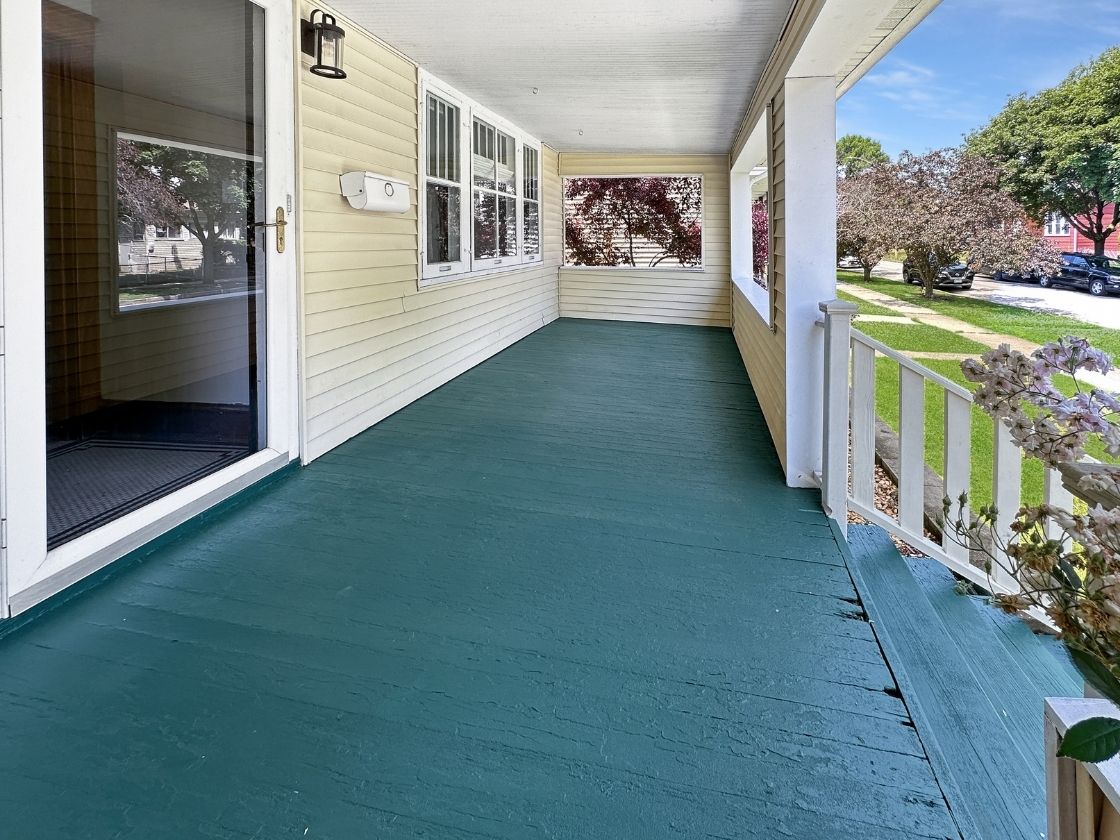
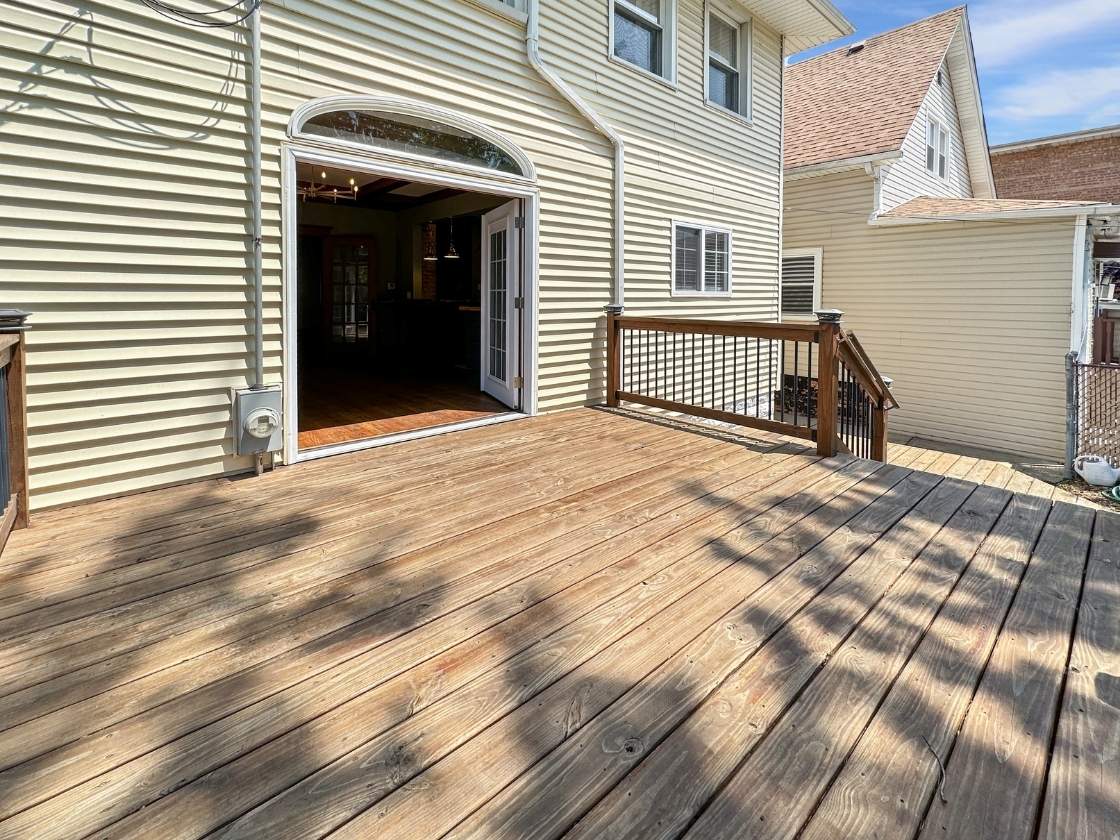
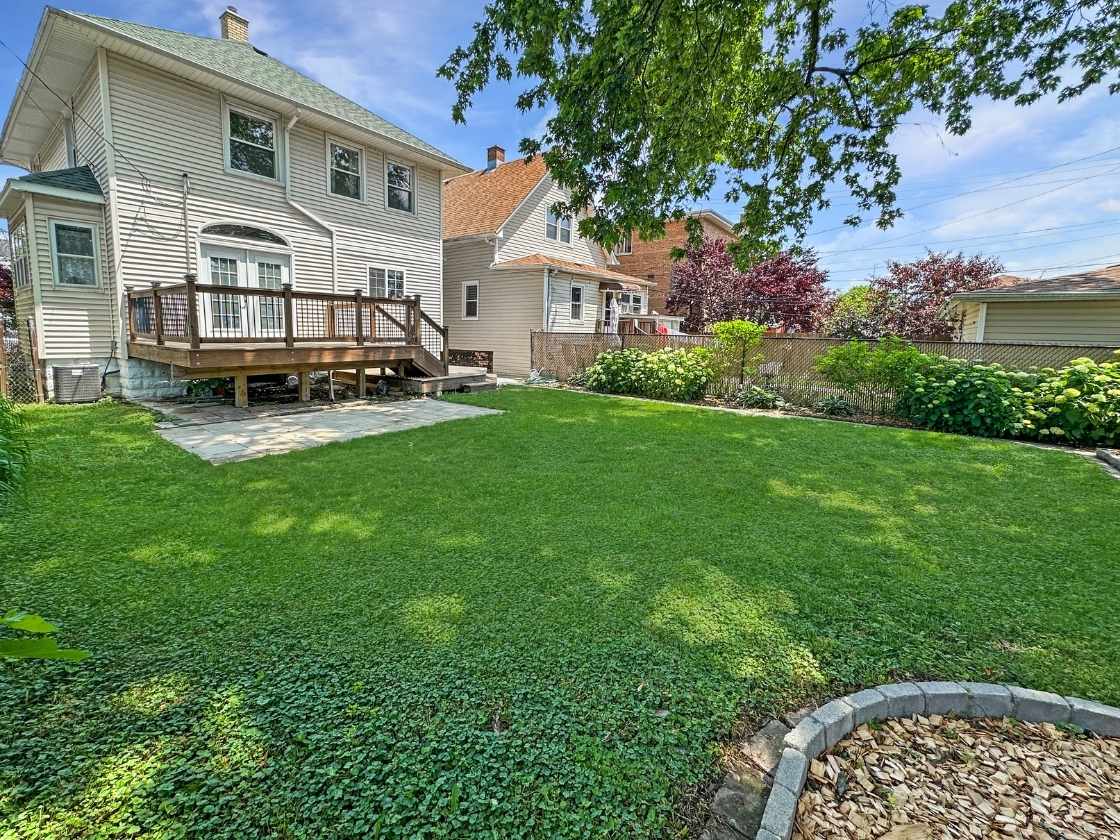
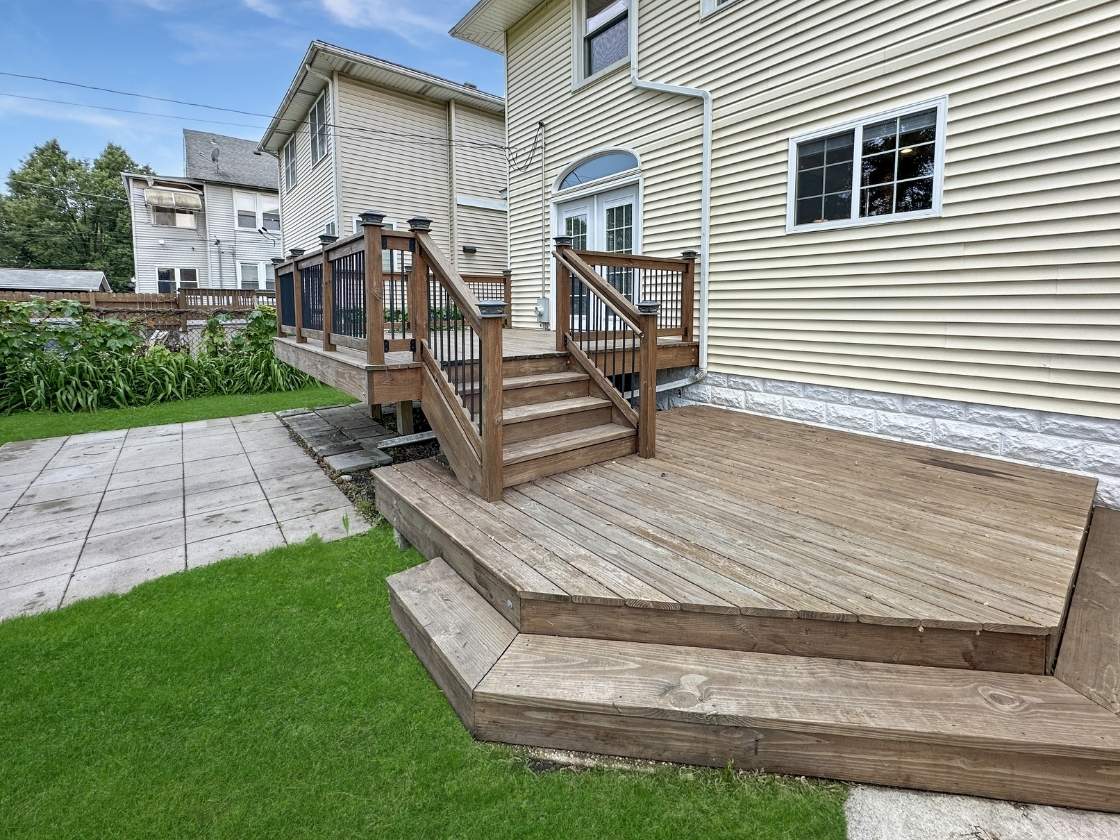
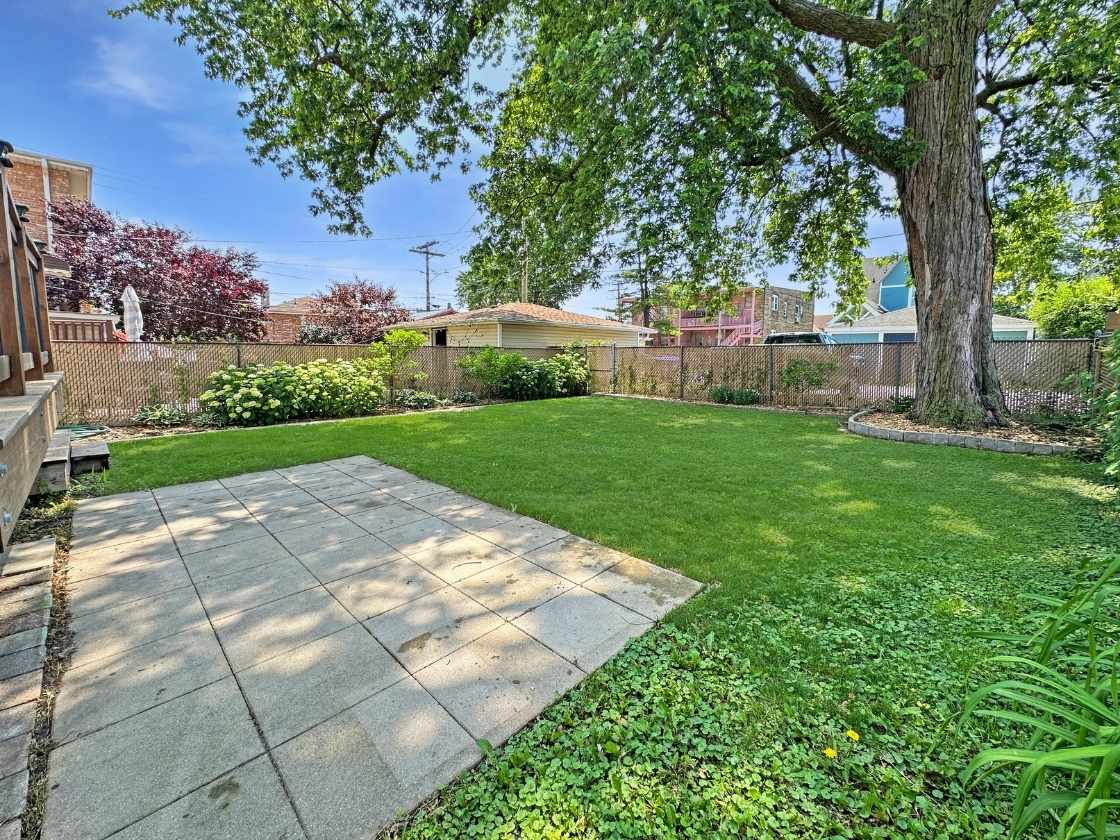
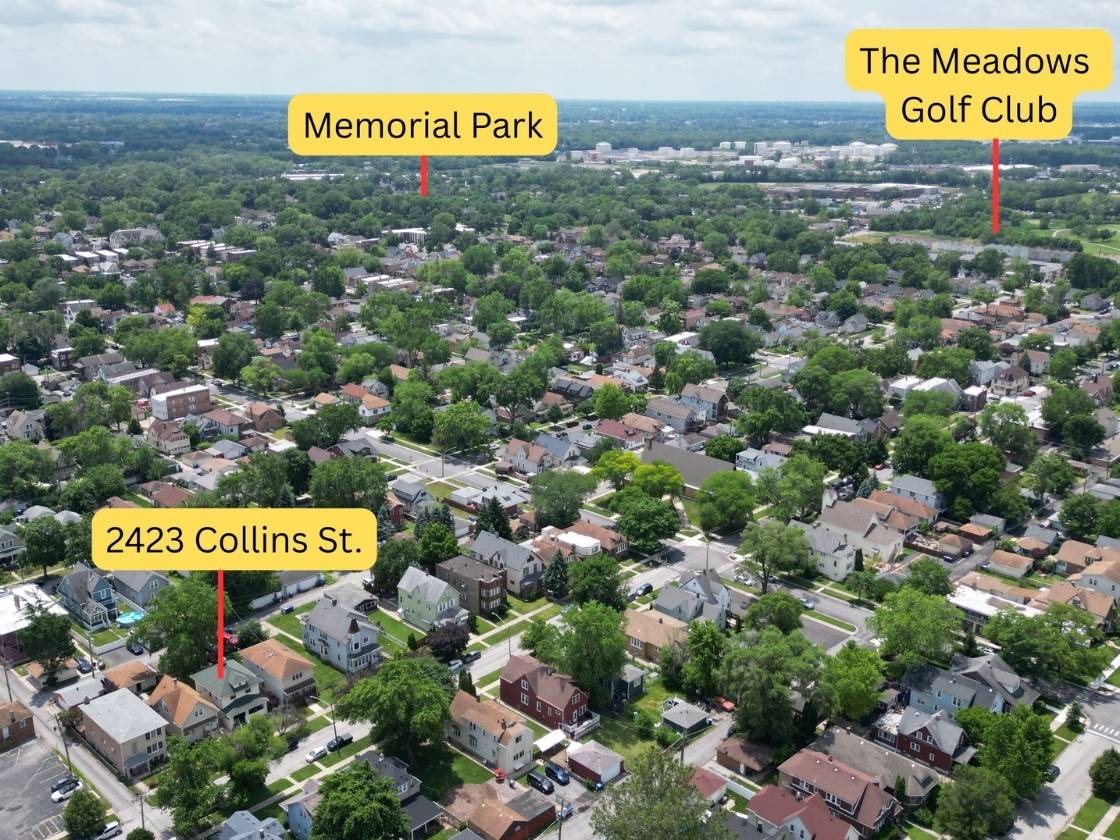
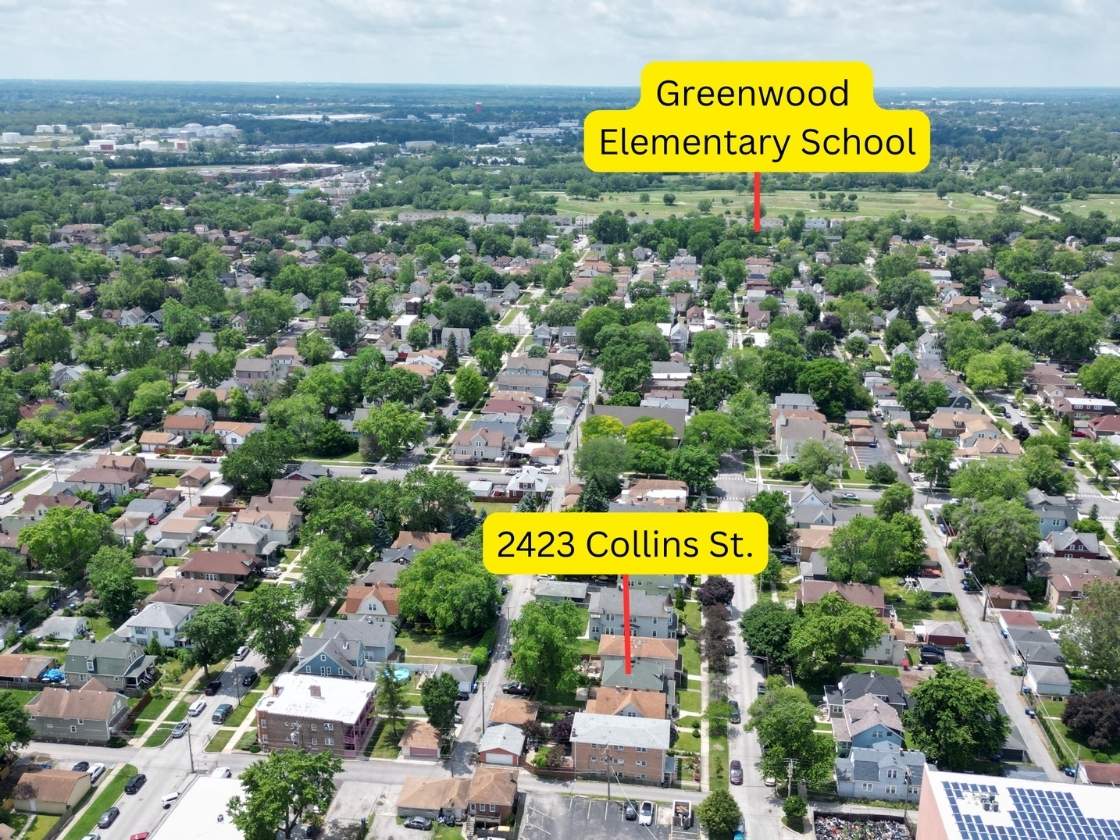
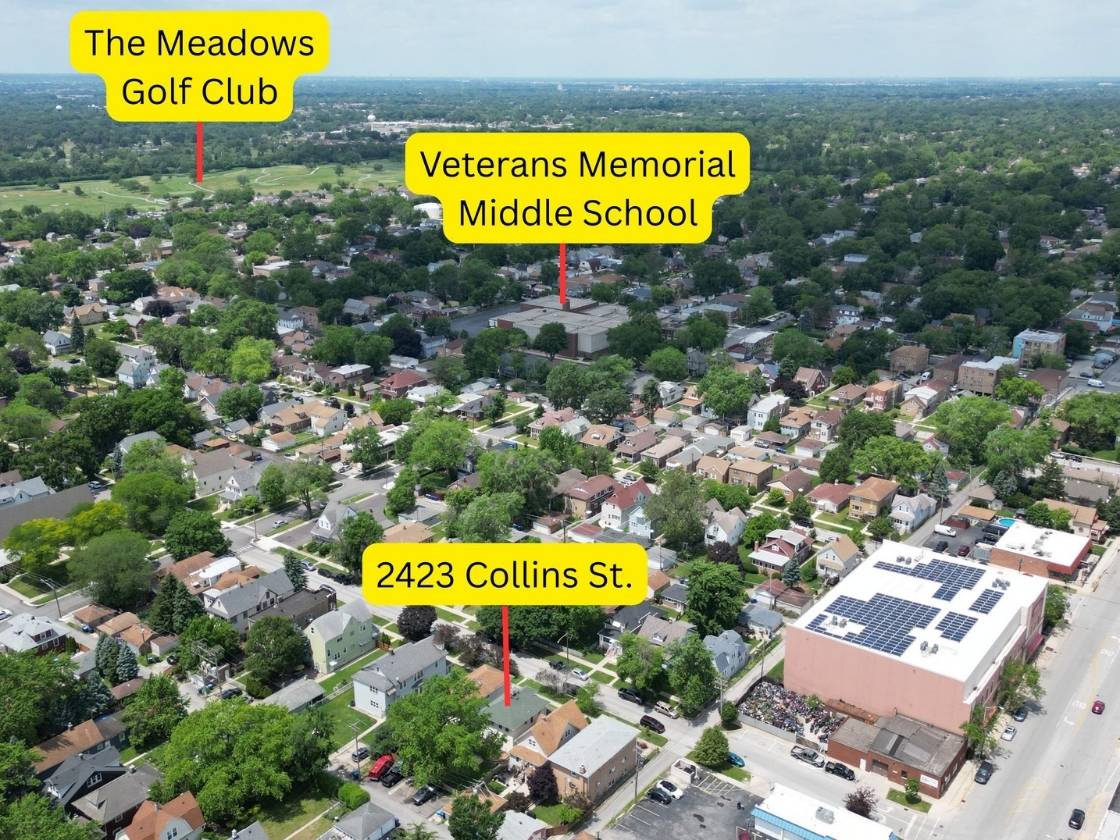
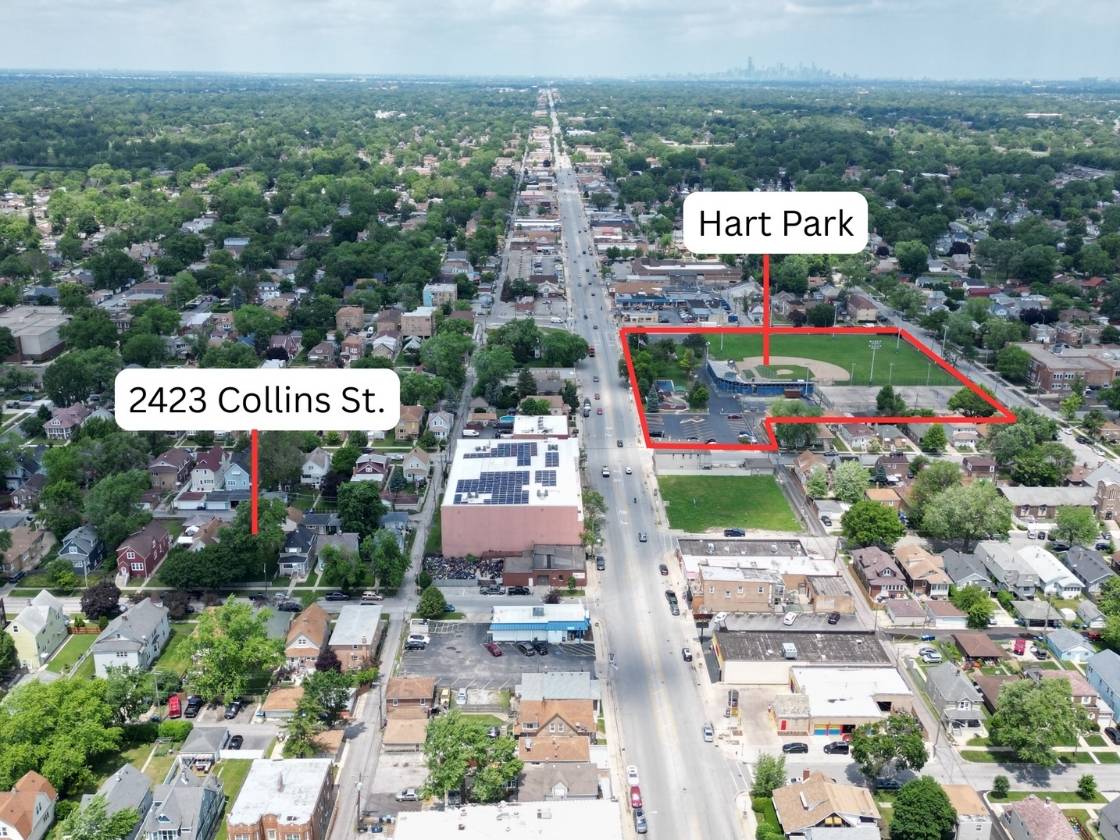
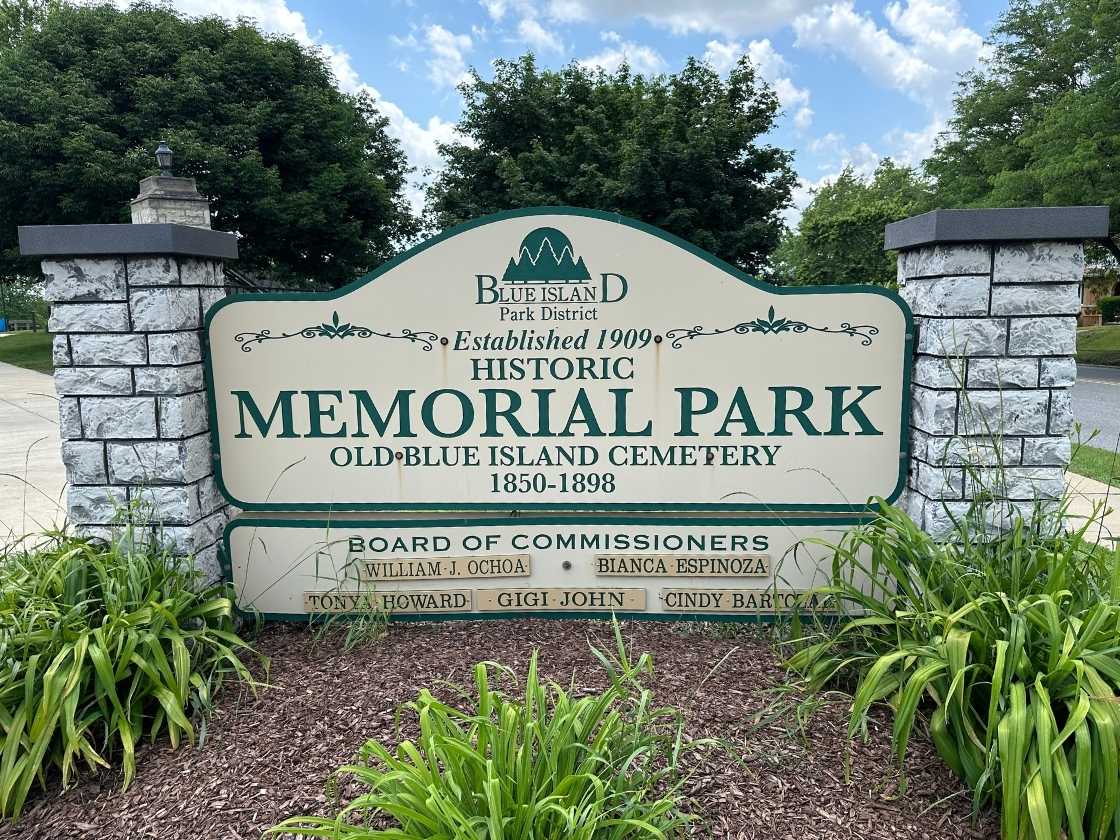
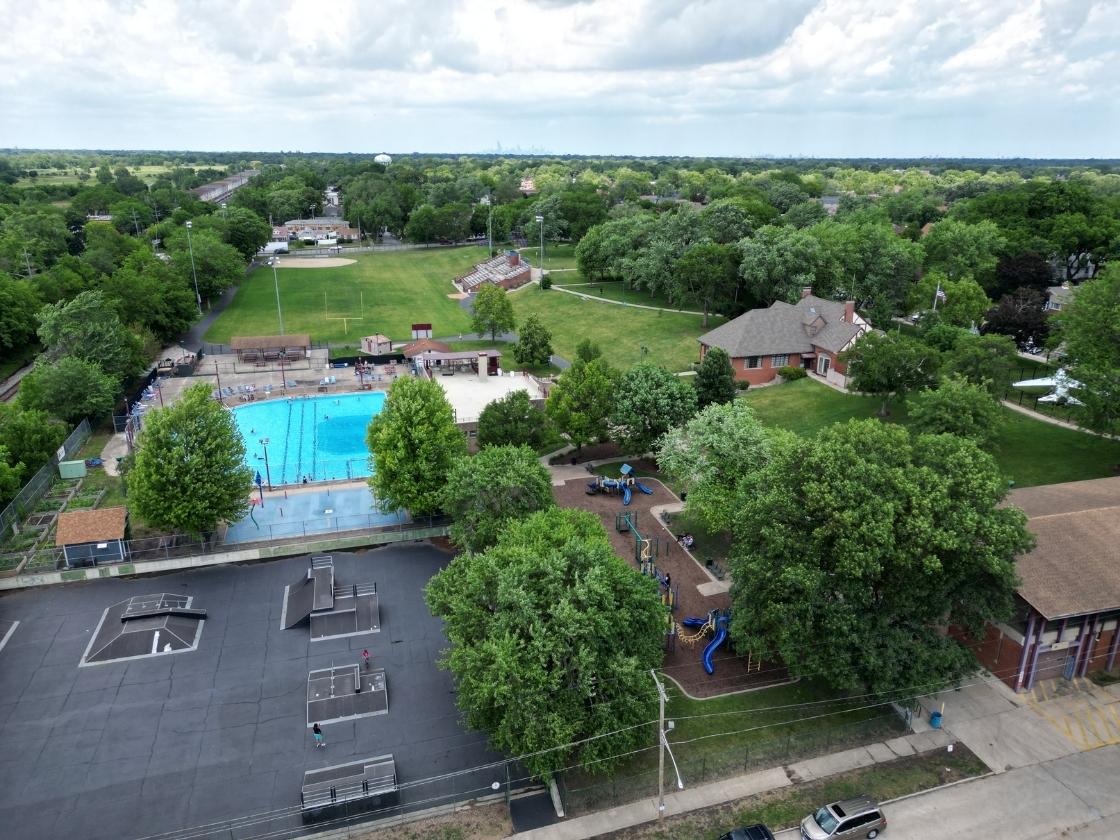
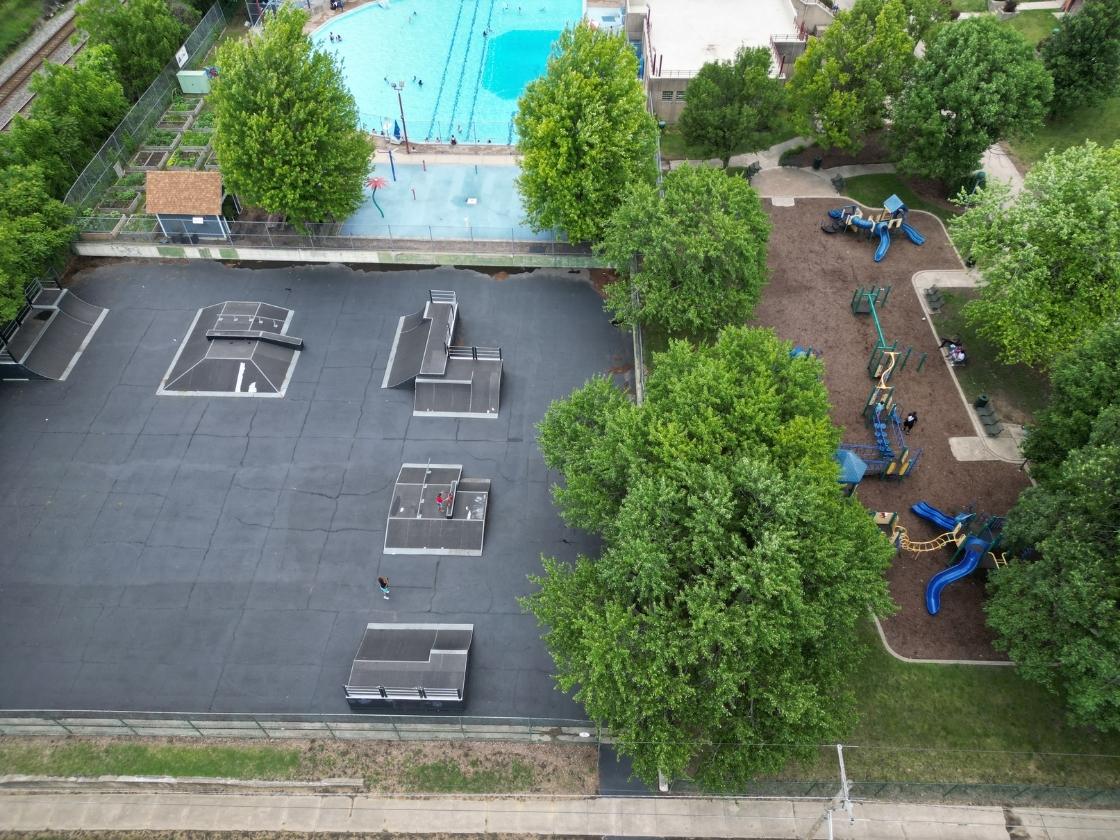
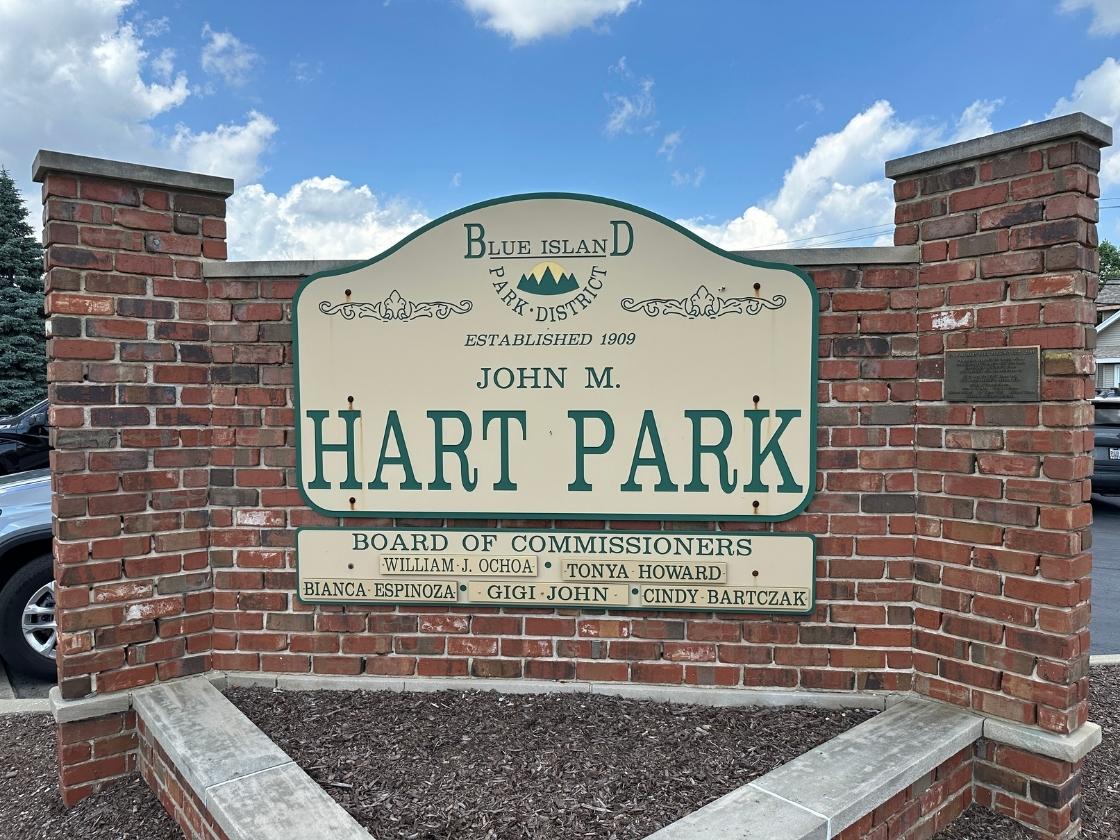
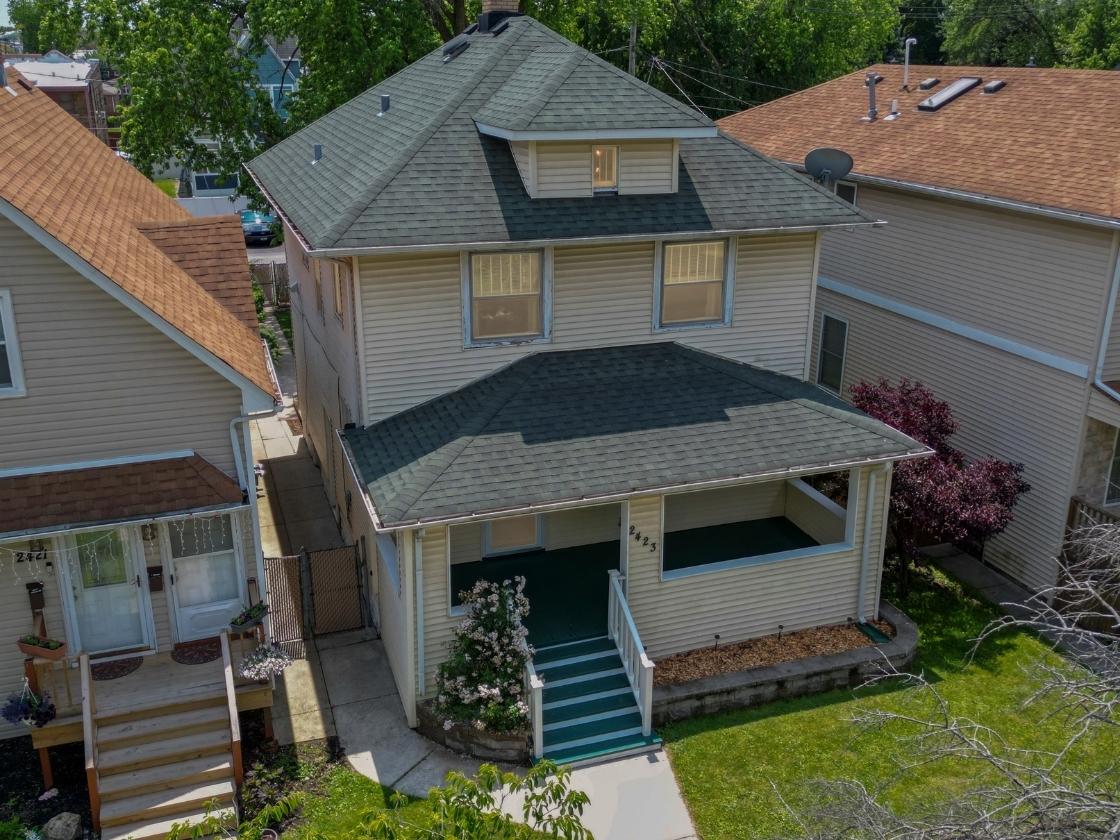
We will start this section with showing an example of what our listing photos look like. These following photos are from a home in Blue Island I sold in 2025.
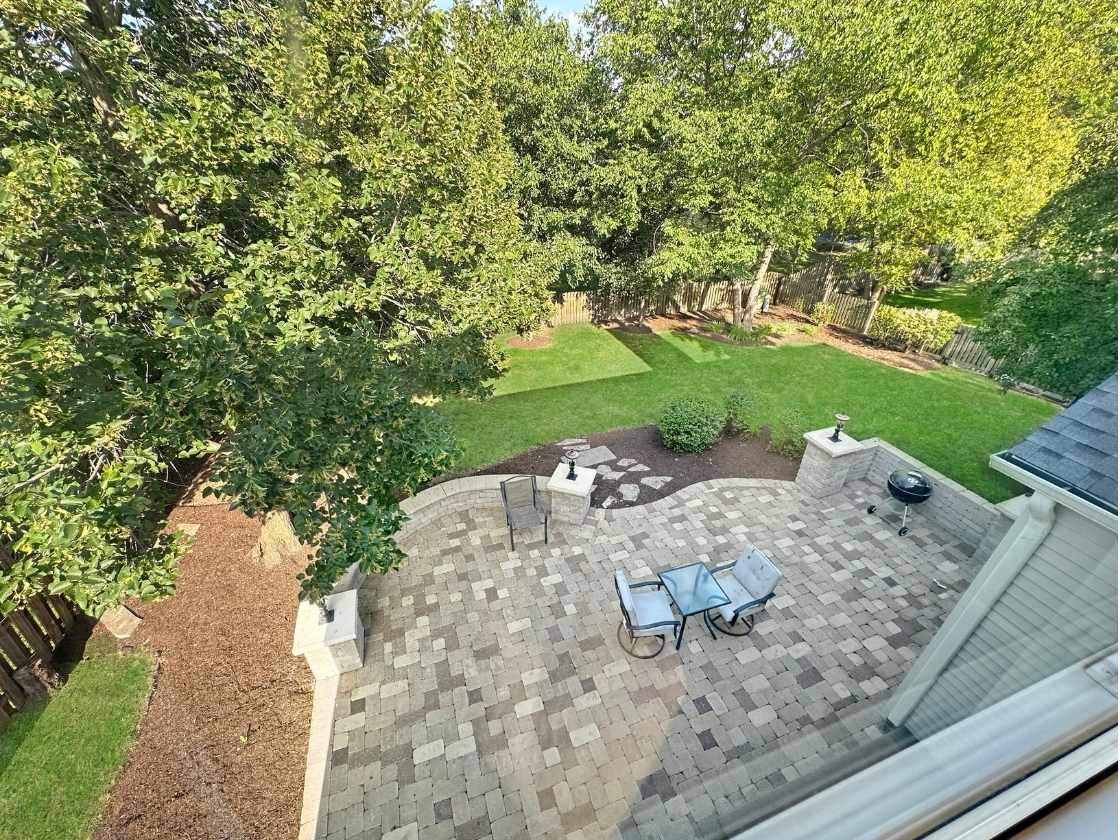
In our photo process, we collect photos of not only the home, but also of area amenities near the house.
(As a disclaimer to any photo-buffs, all the photos on this webpage are downsized to a size of under 200kb, with dimensions of 1200 pixels x 840 pixels so that this page loads quickly. The actual listing photos are MUCH higher resolution, with each photo about 5-12MB, in size of about 4032 pixels x 3024 pixels.)
Quantity of Photos
I always make sure that there are lots of photos taken so that buyers can get a good feel for your home when they view the photos. When there are not a lot of photos, buyers often wonder if something bad about the house is trying to be hidden by not having many photos of the home. We get at least 2 photos of each room, collect close-up feature photos of things like fireplaces and ornate sinks, and collect photos of area amenities so that we can highlight the proximity of the home to area amenities.
Drone & Aerial Photos
I collect my own drone photos and videos. I use a DJI Mavic Mini 3 drone (which is the drone shown left/above). I then send the photos to the photo editor for enhancements.
With a drone I am able to take elevated listing cover photos, and am able to aerial photos that highlight features of the property and highlight the proximity of nearby amenities.
In this video my son, Wyatt, is helping me collect drone footage for a vacant lot on a pond in Crown Point Indiana
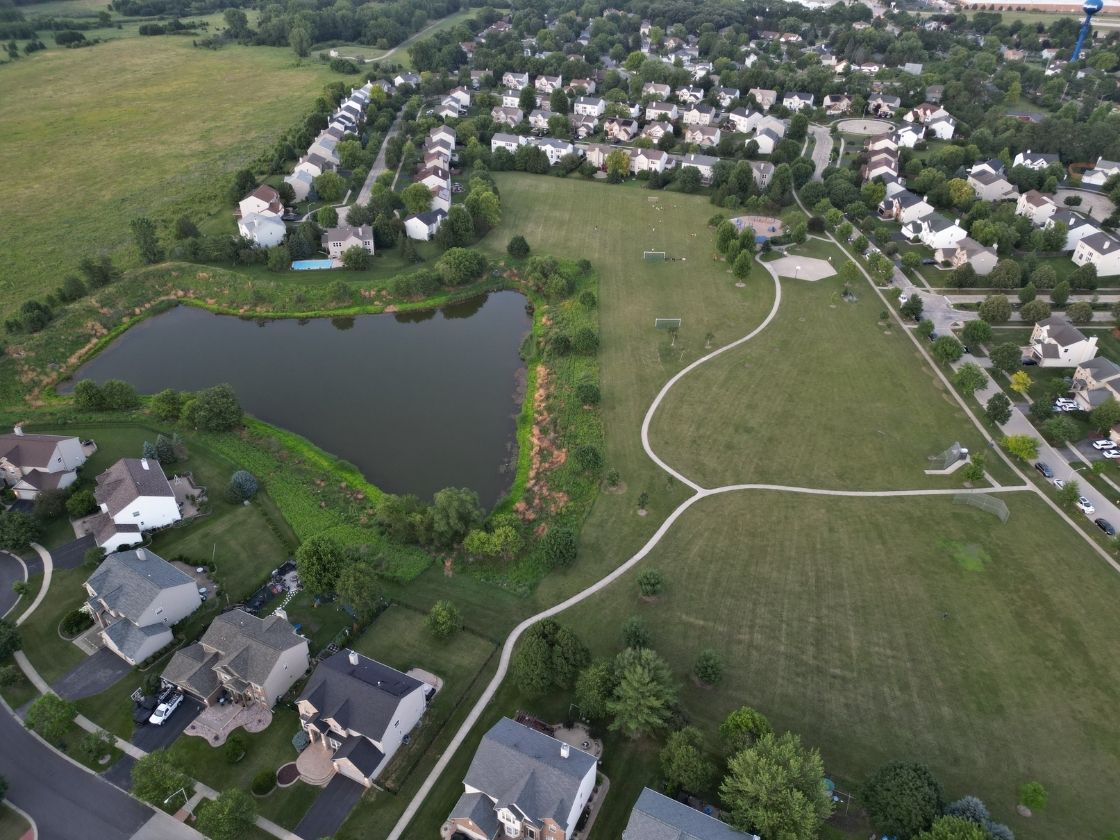
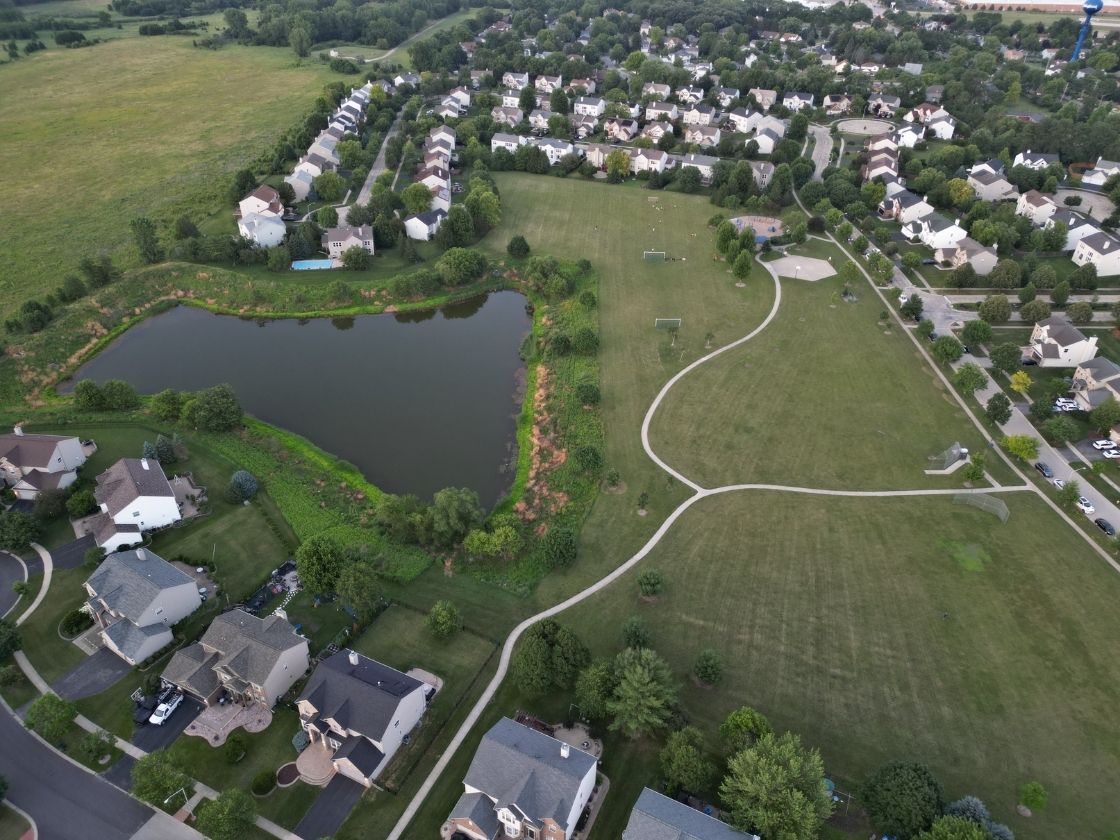
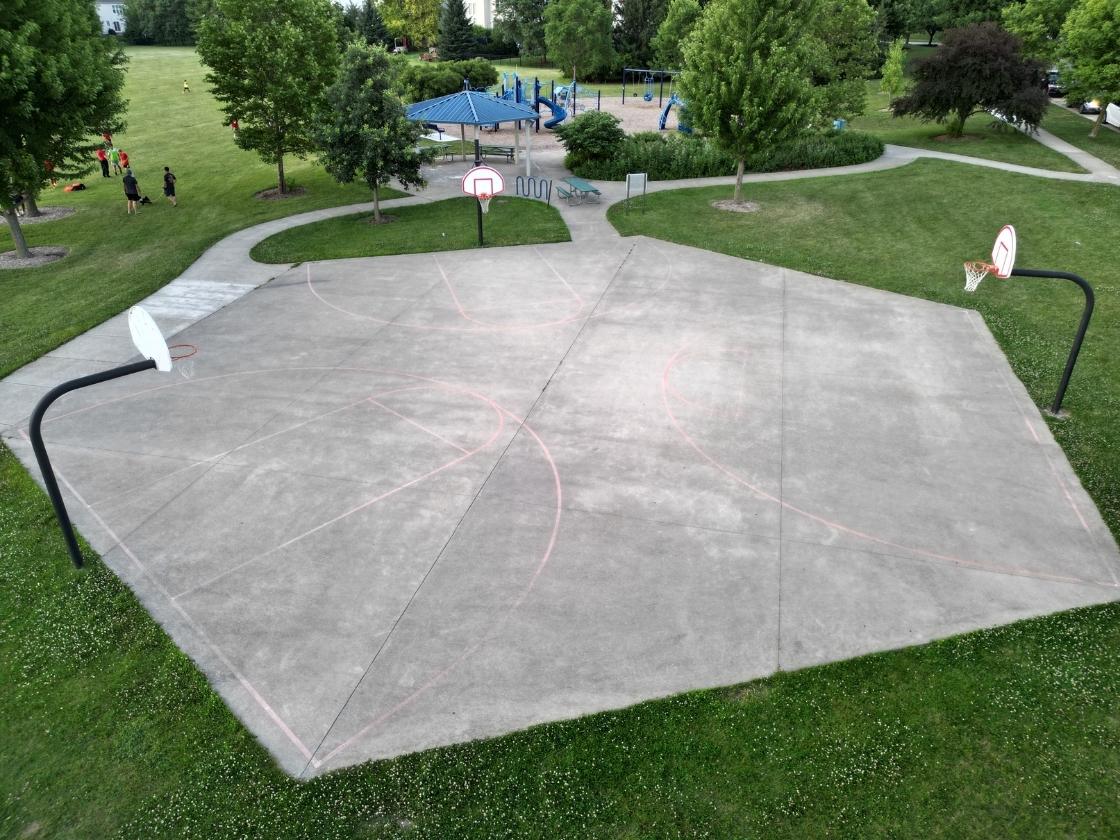
Following are some example listing photos taken with my drove that help highlight the property and/or nearby amenities, that could not be done without a drone.
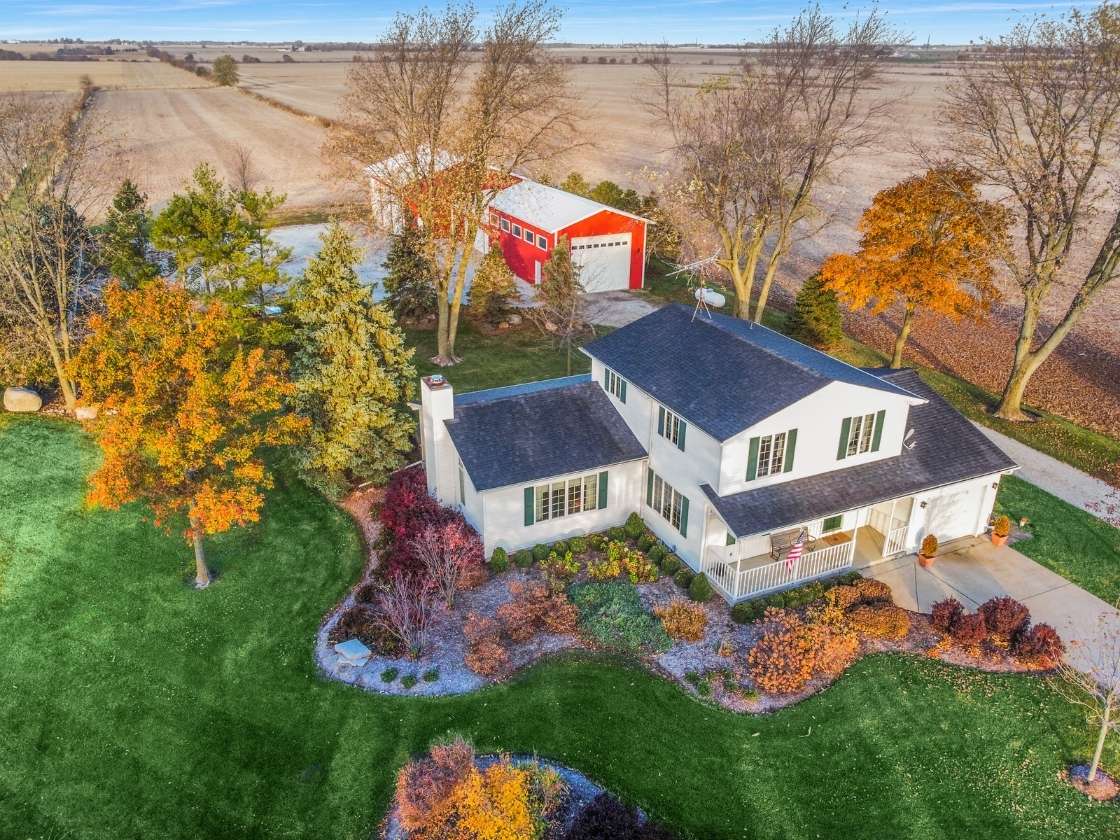
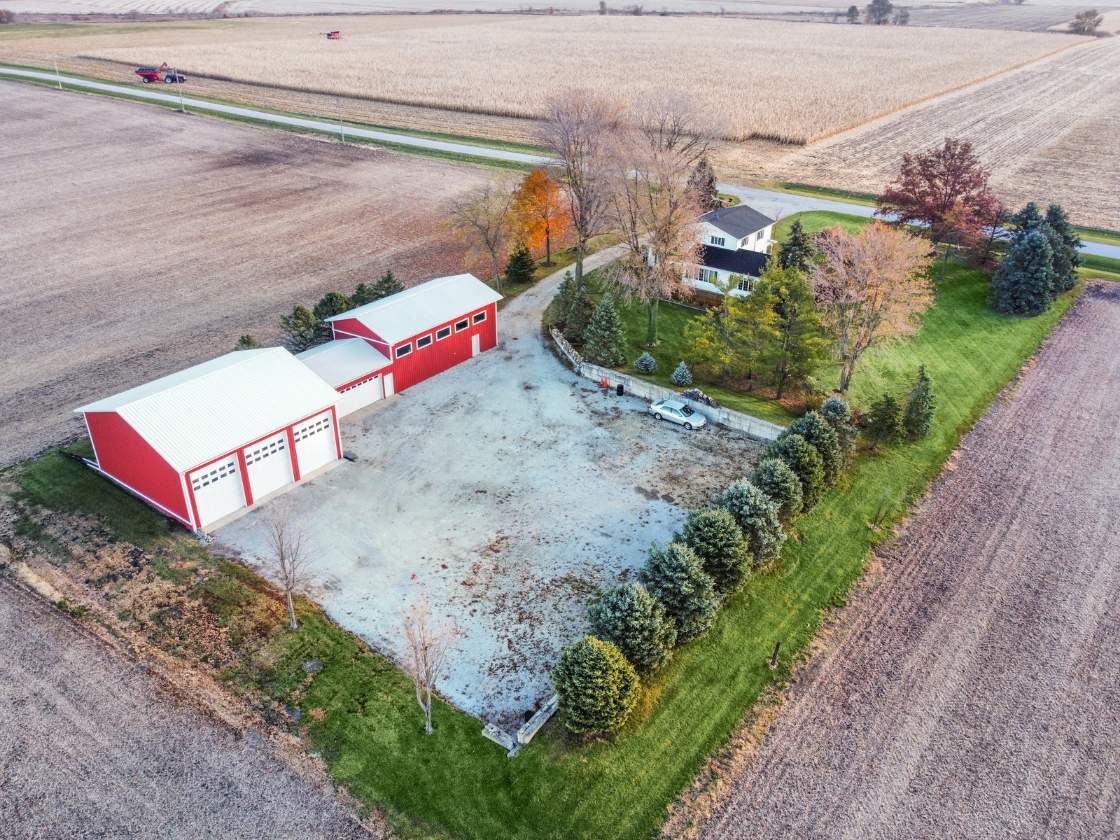
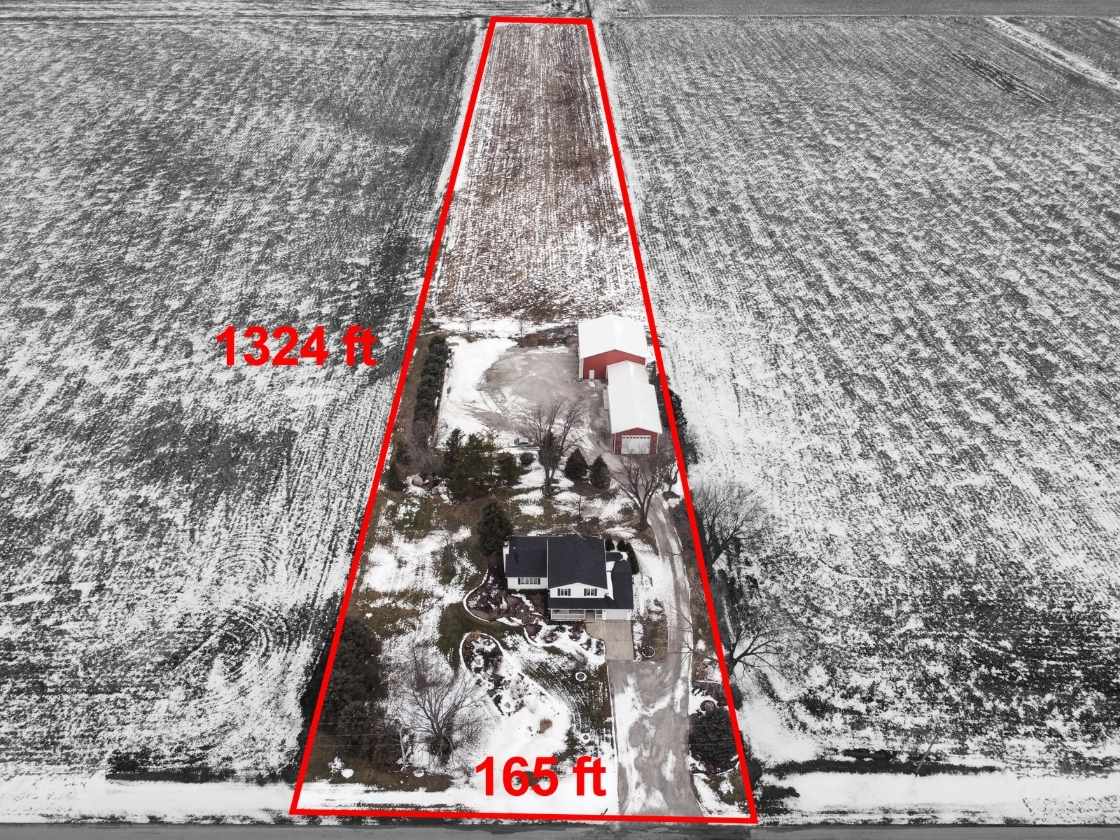
Drone Example 1 - Farmhouse in Grant Park Illinois - Highlighting The Outbuilding & Property Lines
In this Grant Park farm property listing I wanted to highlight the outbuildings and the location and dimensions of the property. This property was 5 acres, and when drone photos are not utilized, buyers can be confused as to exactly what the property dimensions and location area. As you can see from these drone photos, these aerial photos make it crystal clear as to what the property lines and dimensions are.
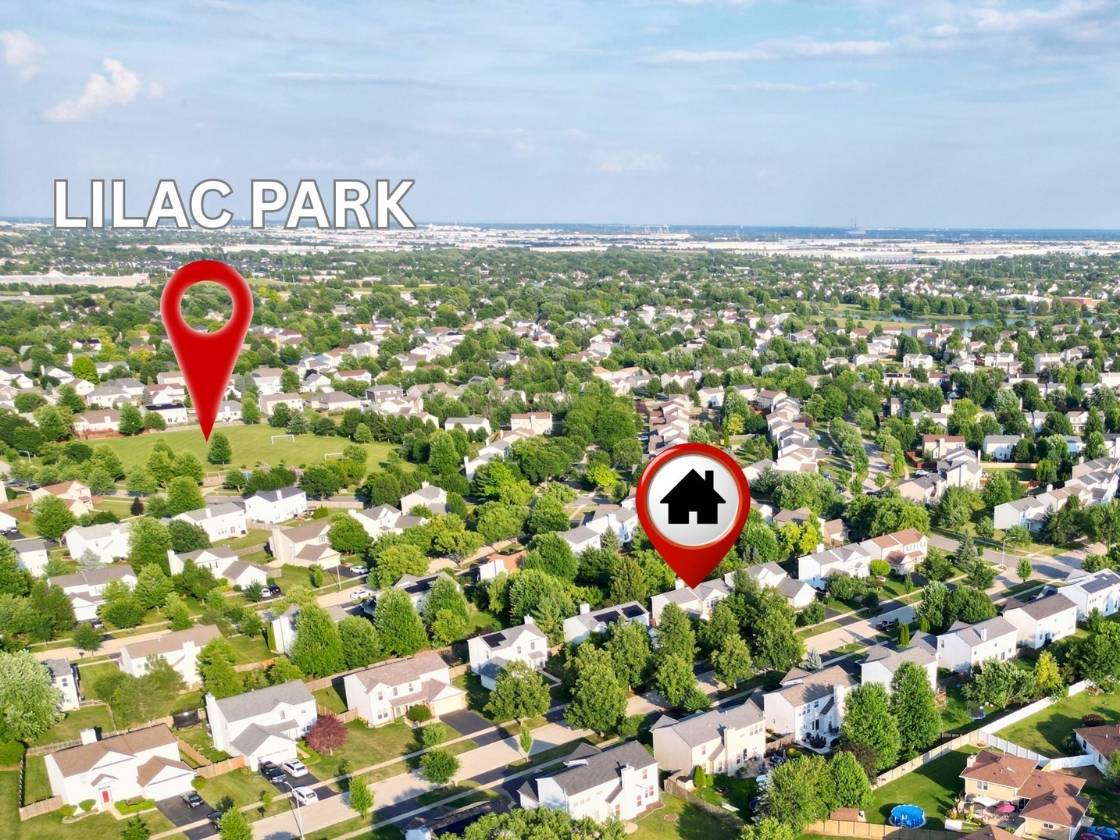
Drone Example 2 - Residential Home in Bolingbrook IL - Highlighting Nearby Parks
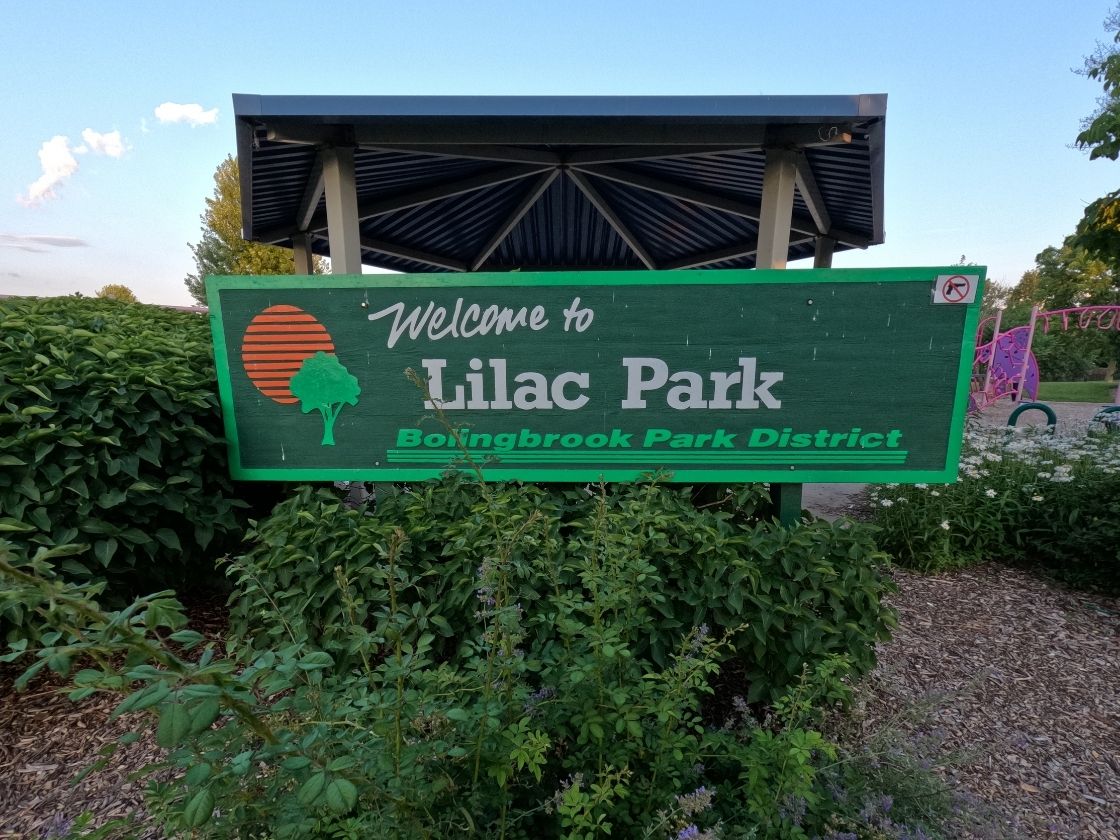
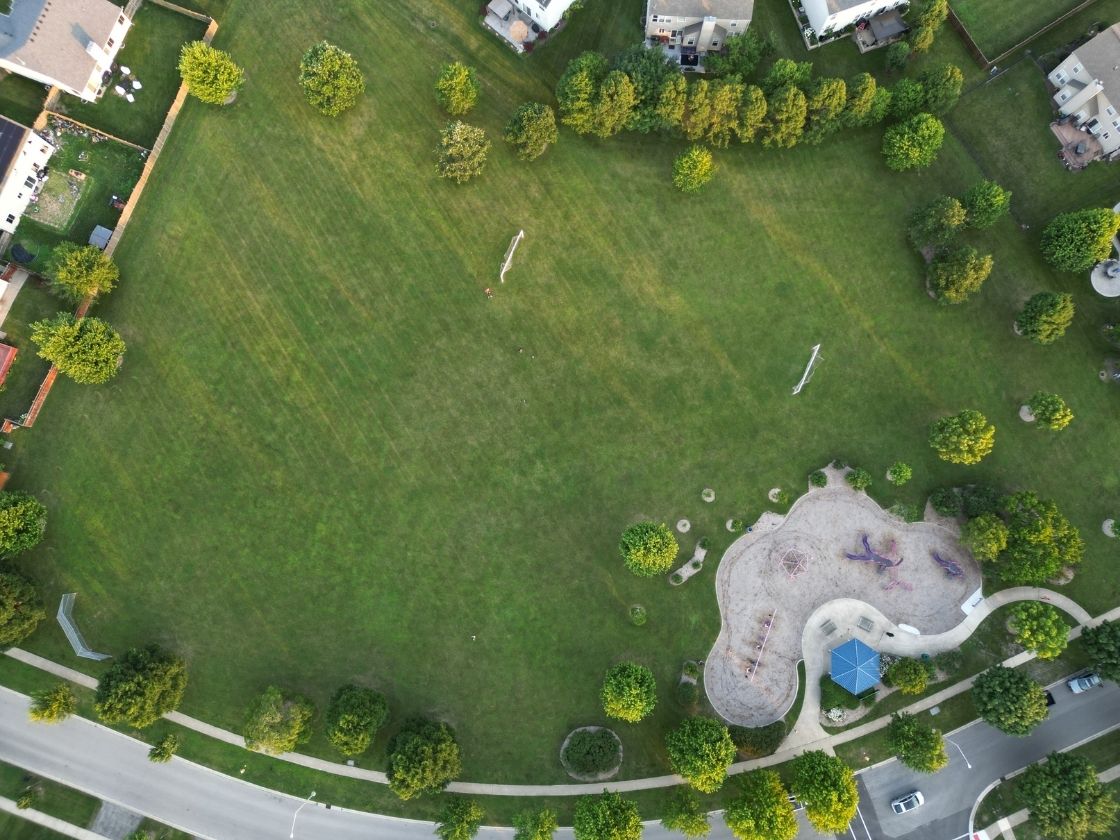
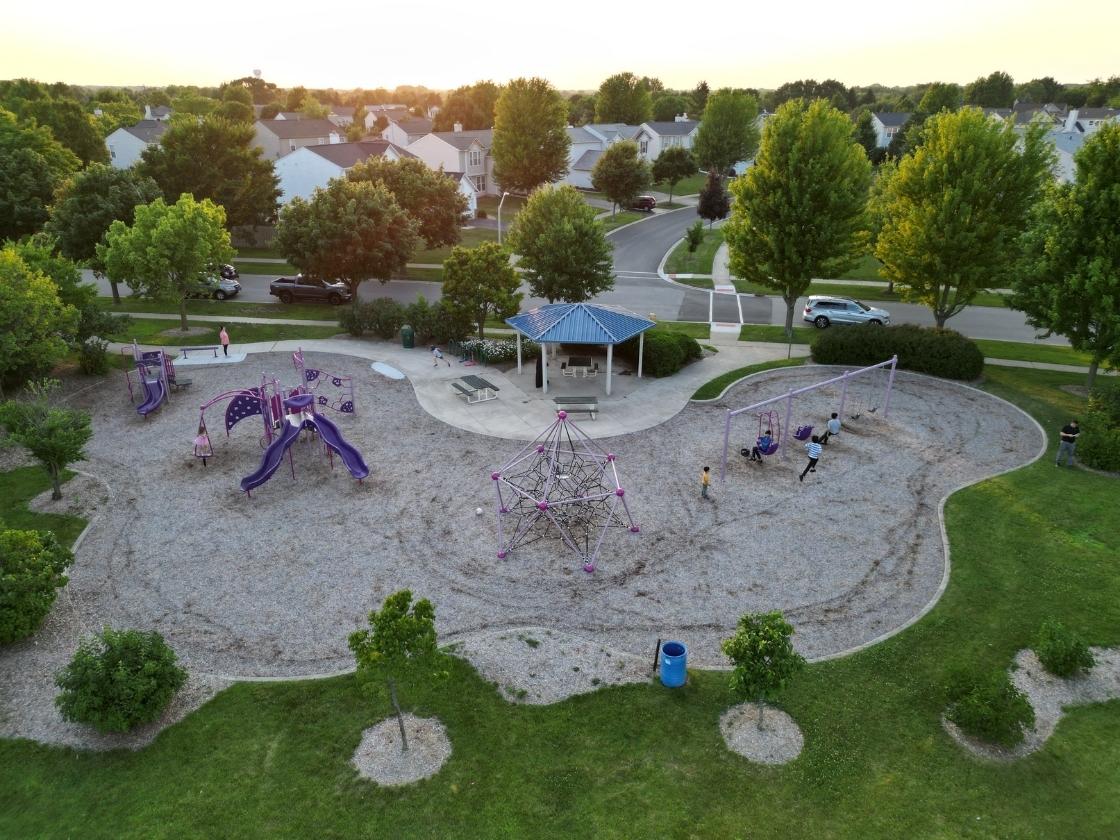
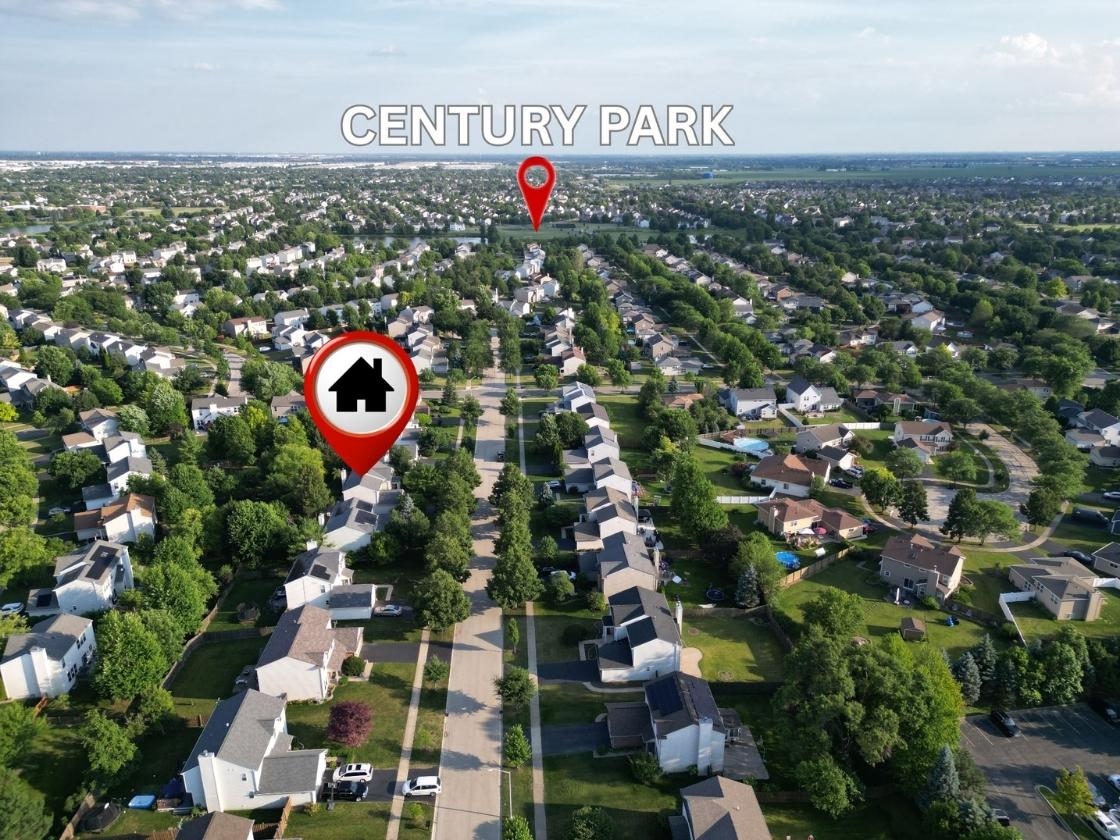
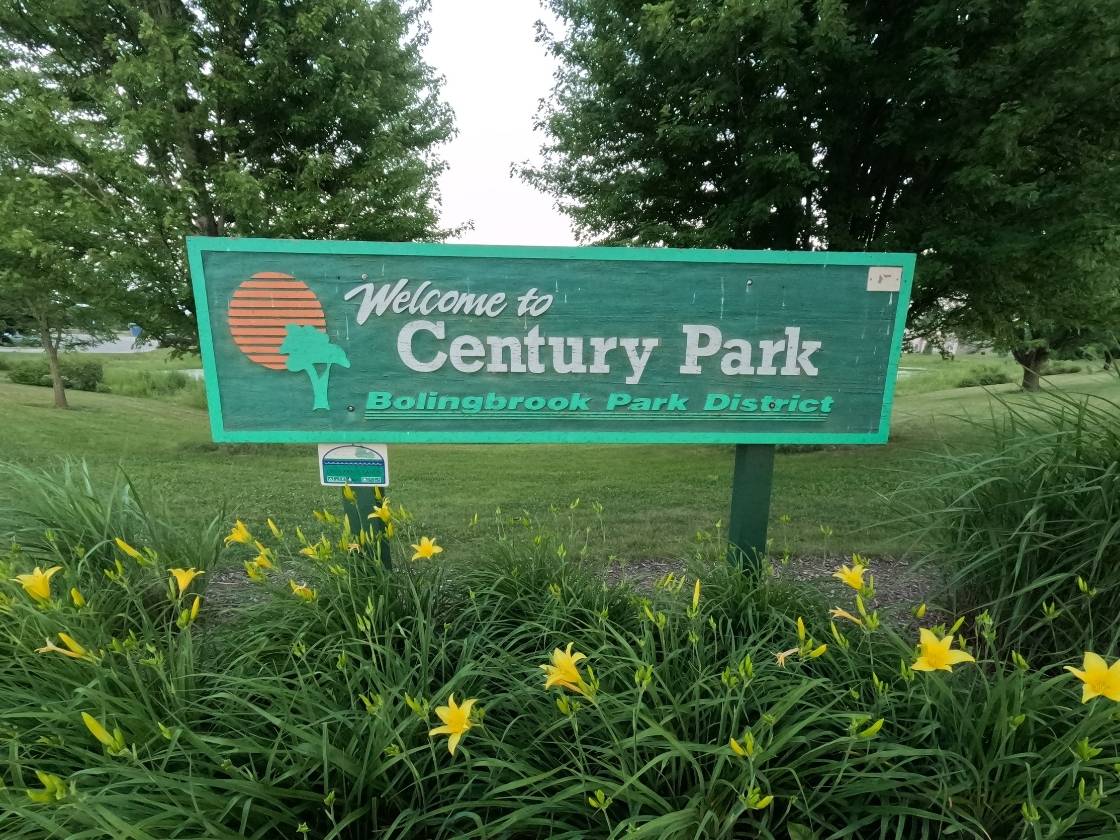
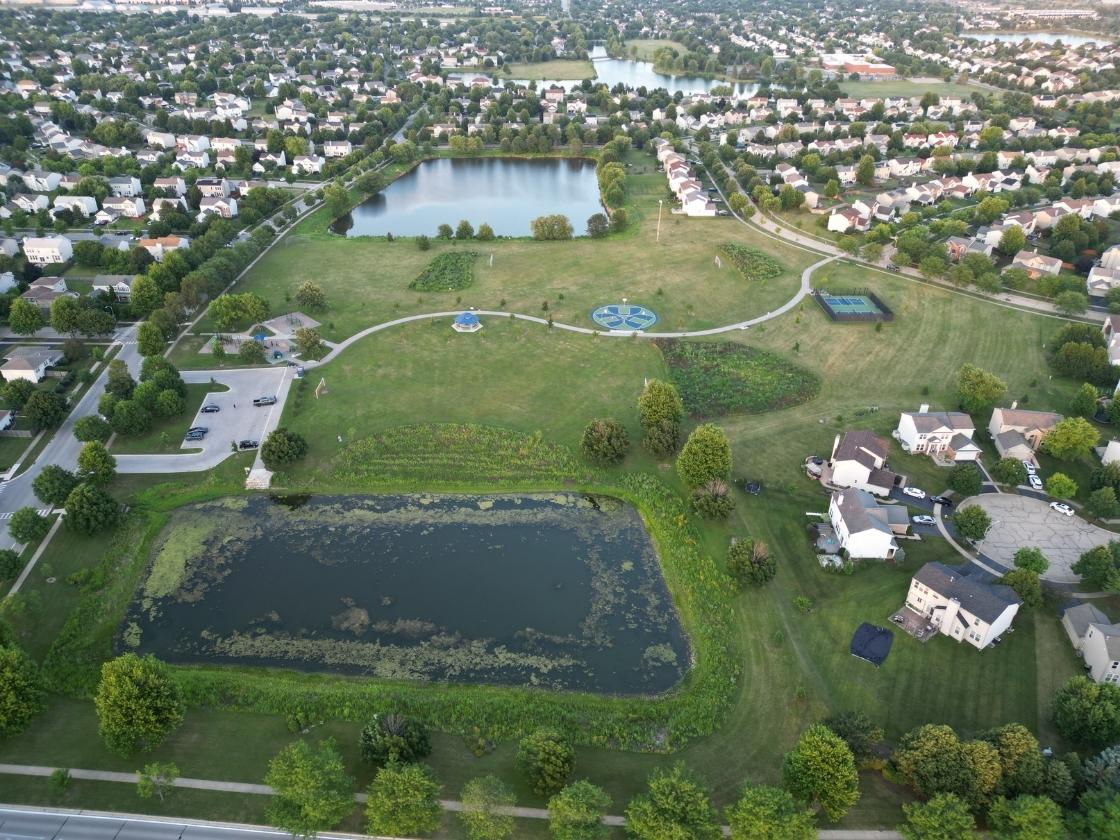
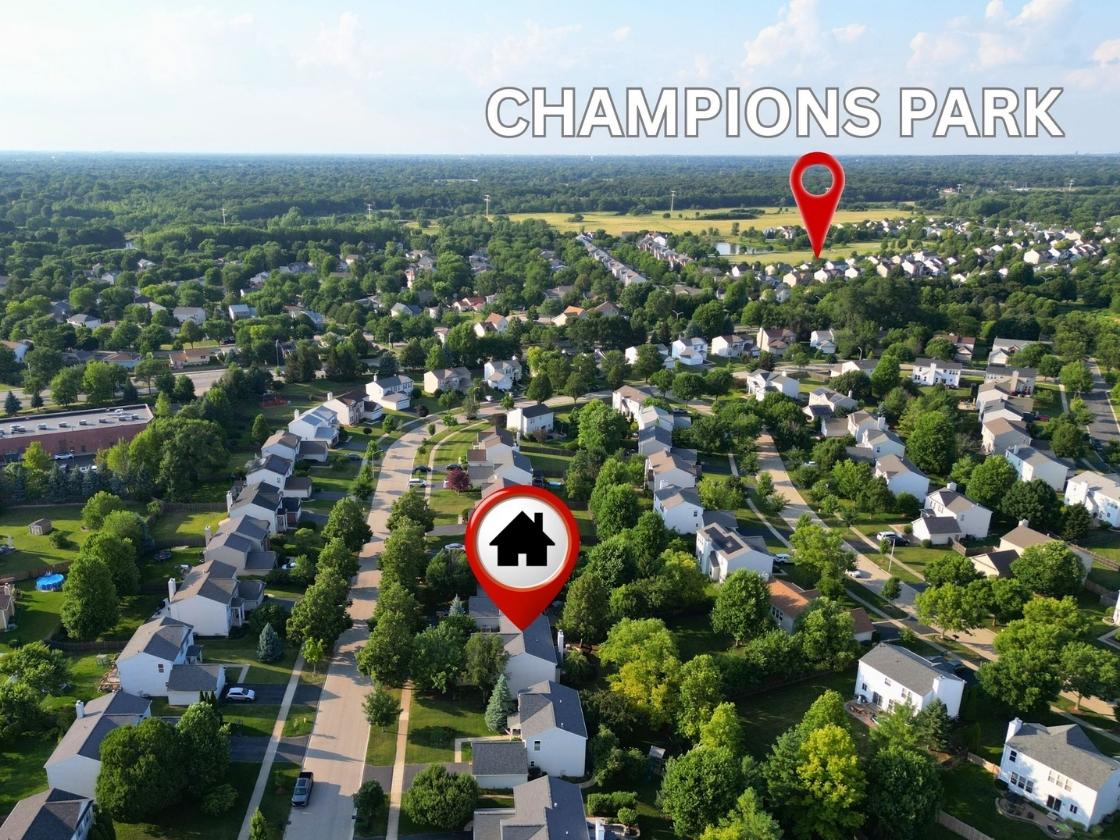
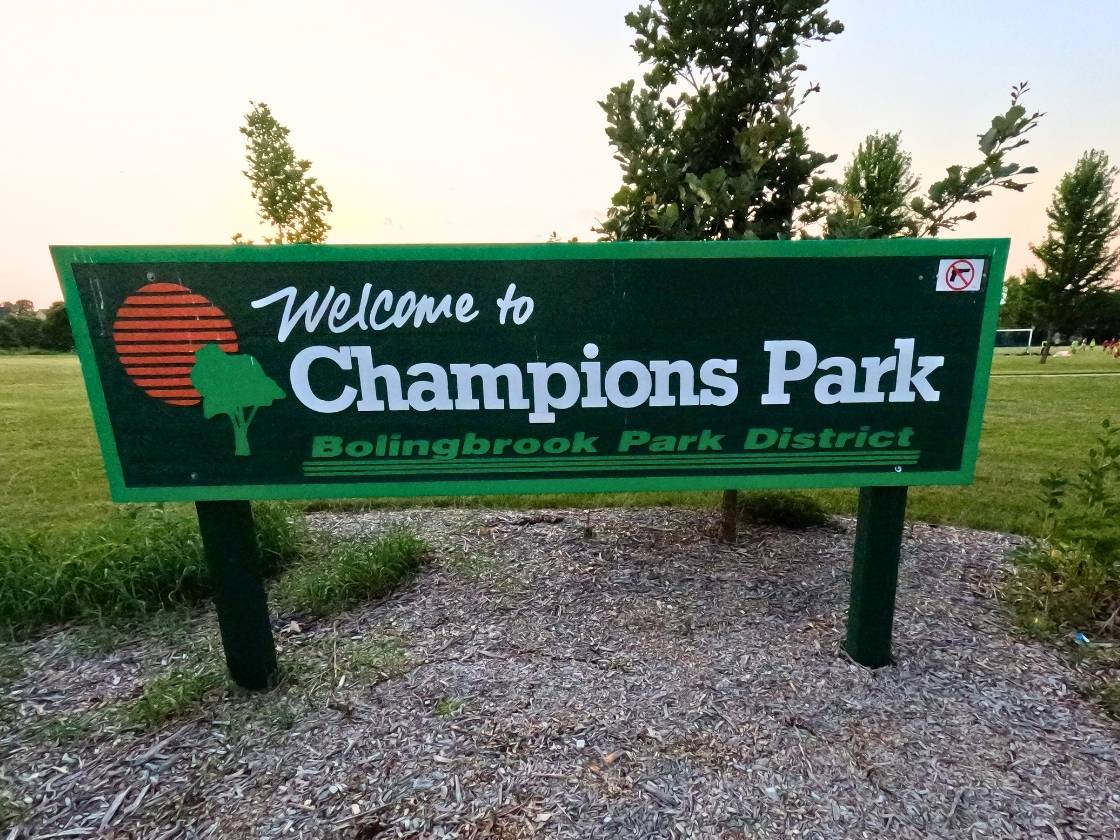
This Bolingbrook Illinois listing had 3 parks within walking distance from the home. I wanted to make it clear to buyers that these parks were nearby, and show what each park had to offer. Using drone photos makes it clear to buyers how close the local parks are and shows what each park has to offer. Without these drone photos, buyers would not know how close the nearby parks are, and would not know what each park had to offer.
Photo Editing
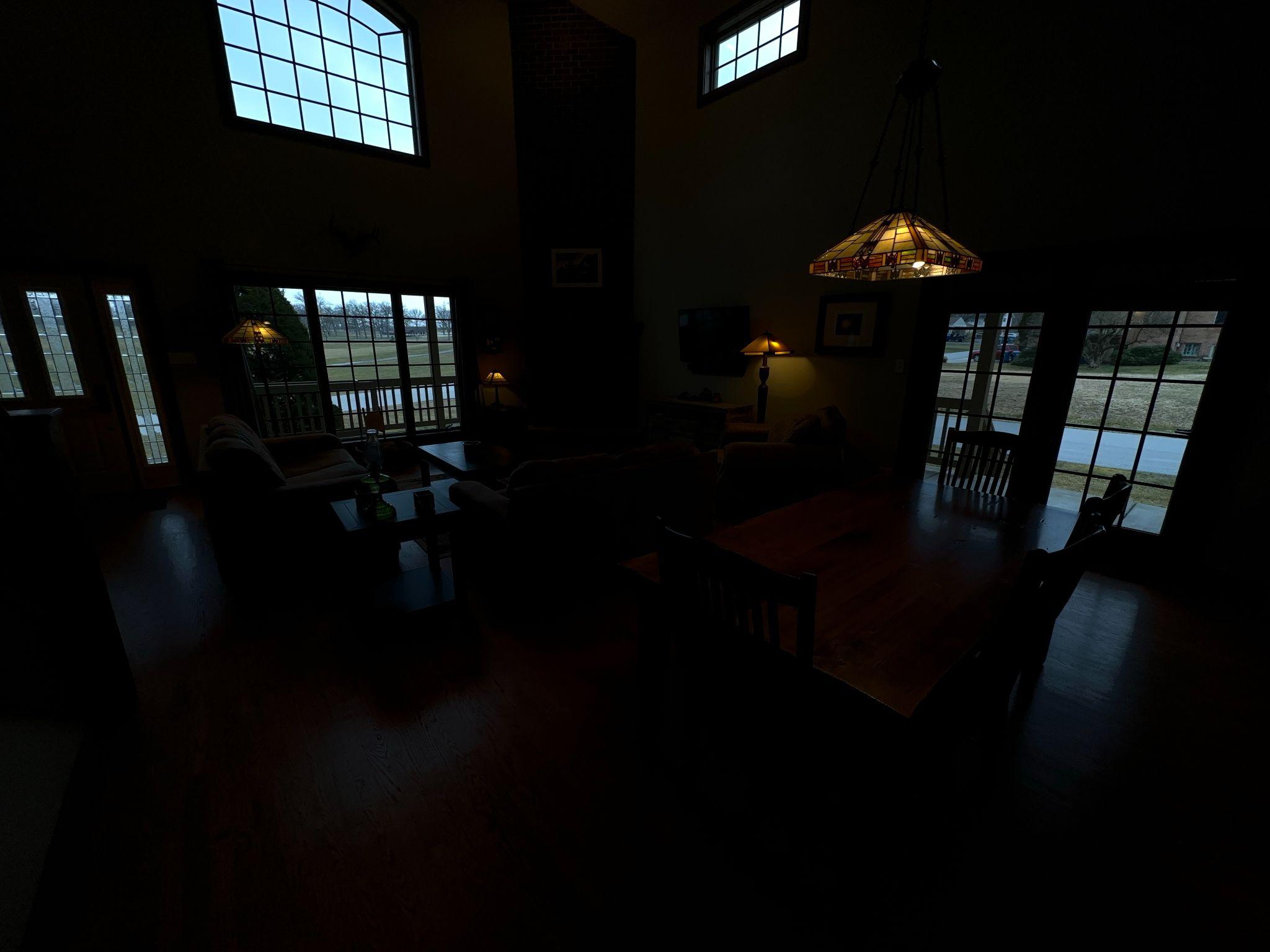
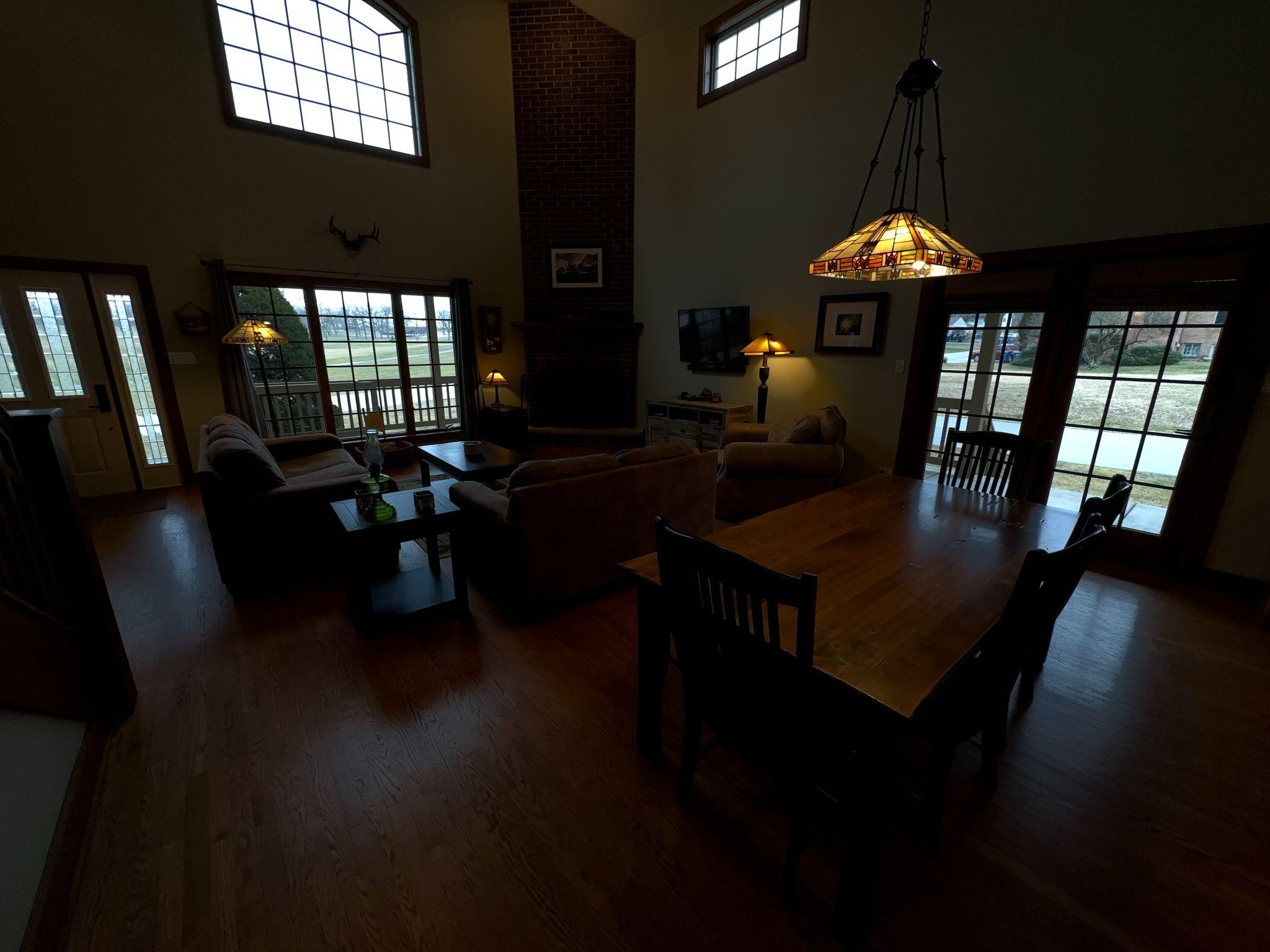
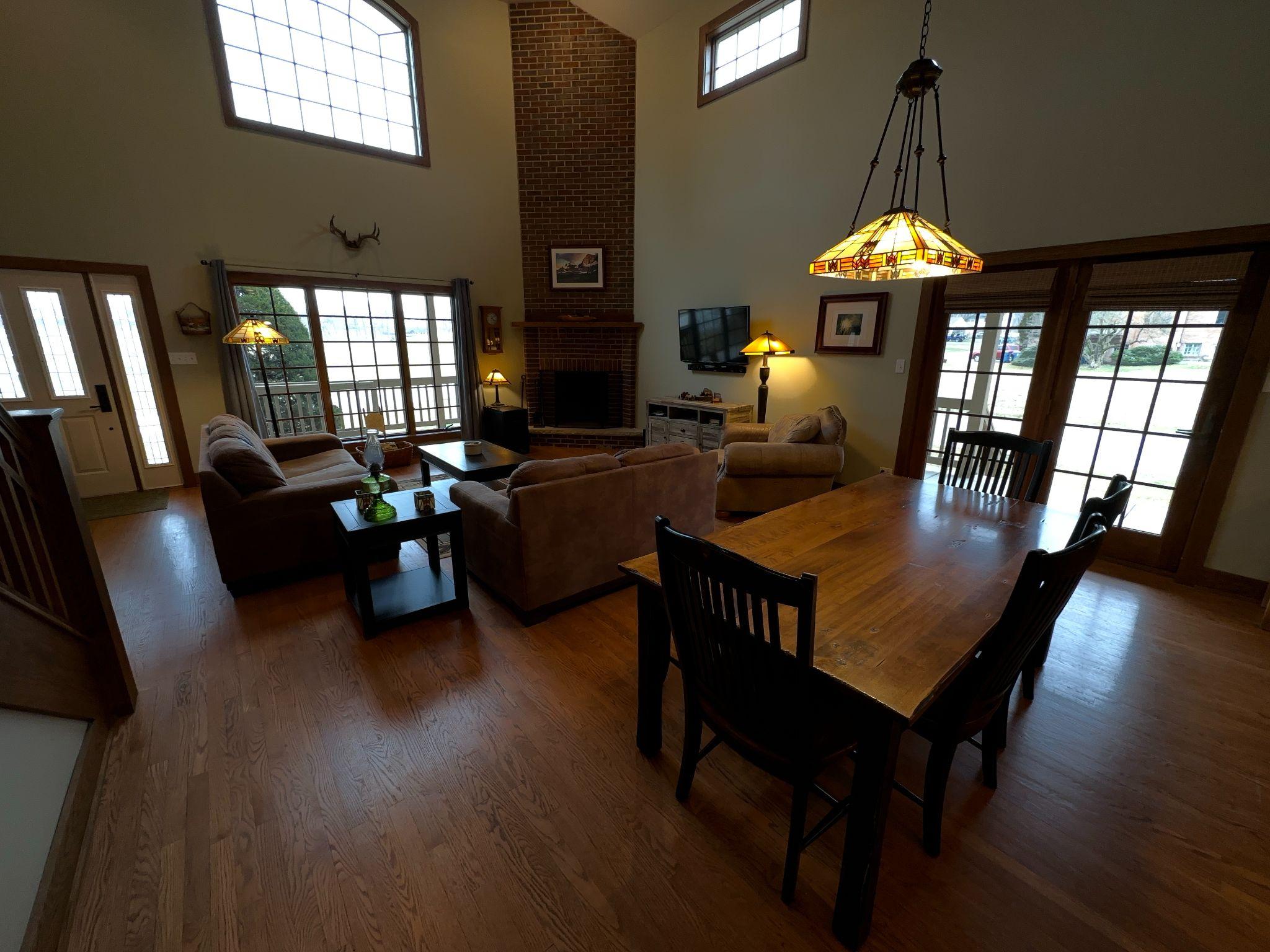
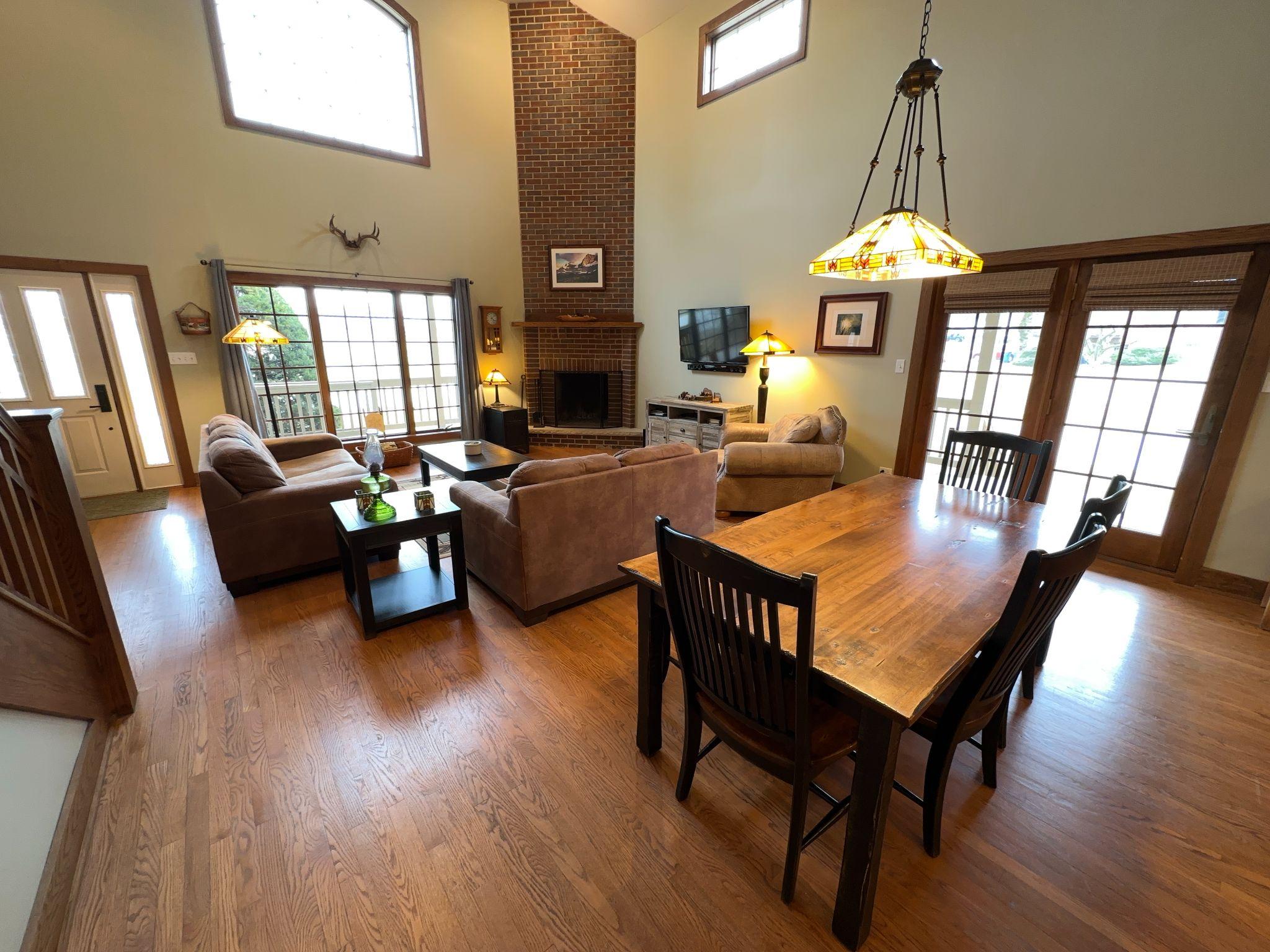
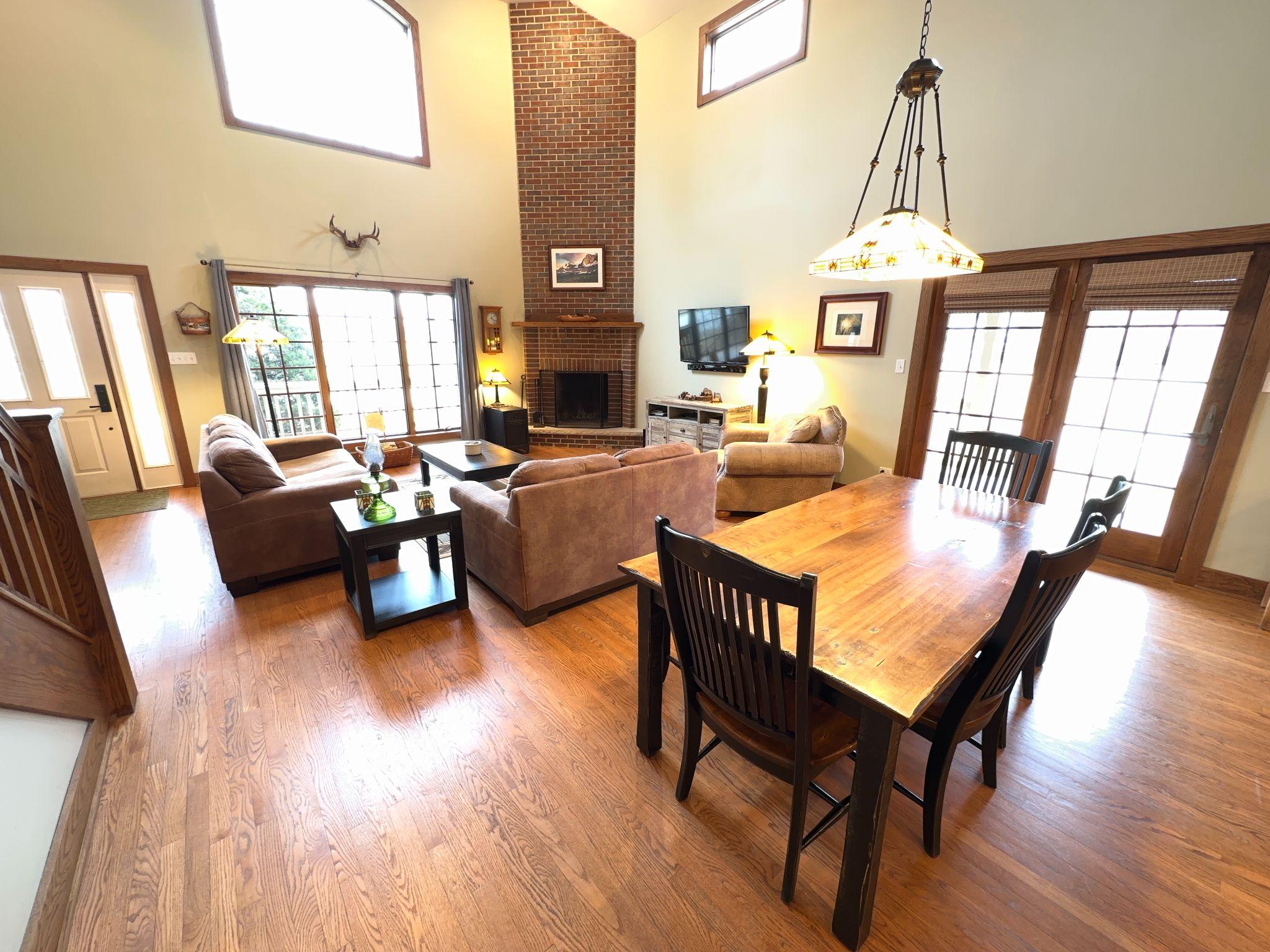
Each listing photograph is actually 6 different photos of the same shot, with each shot taken at a different white balance, then the editor merges the shots together, taking the best from each shot, to make one final photo.
The below images show the raw image of each photo when collected at different white balances.
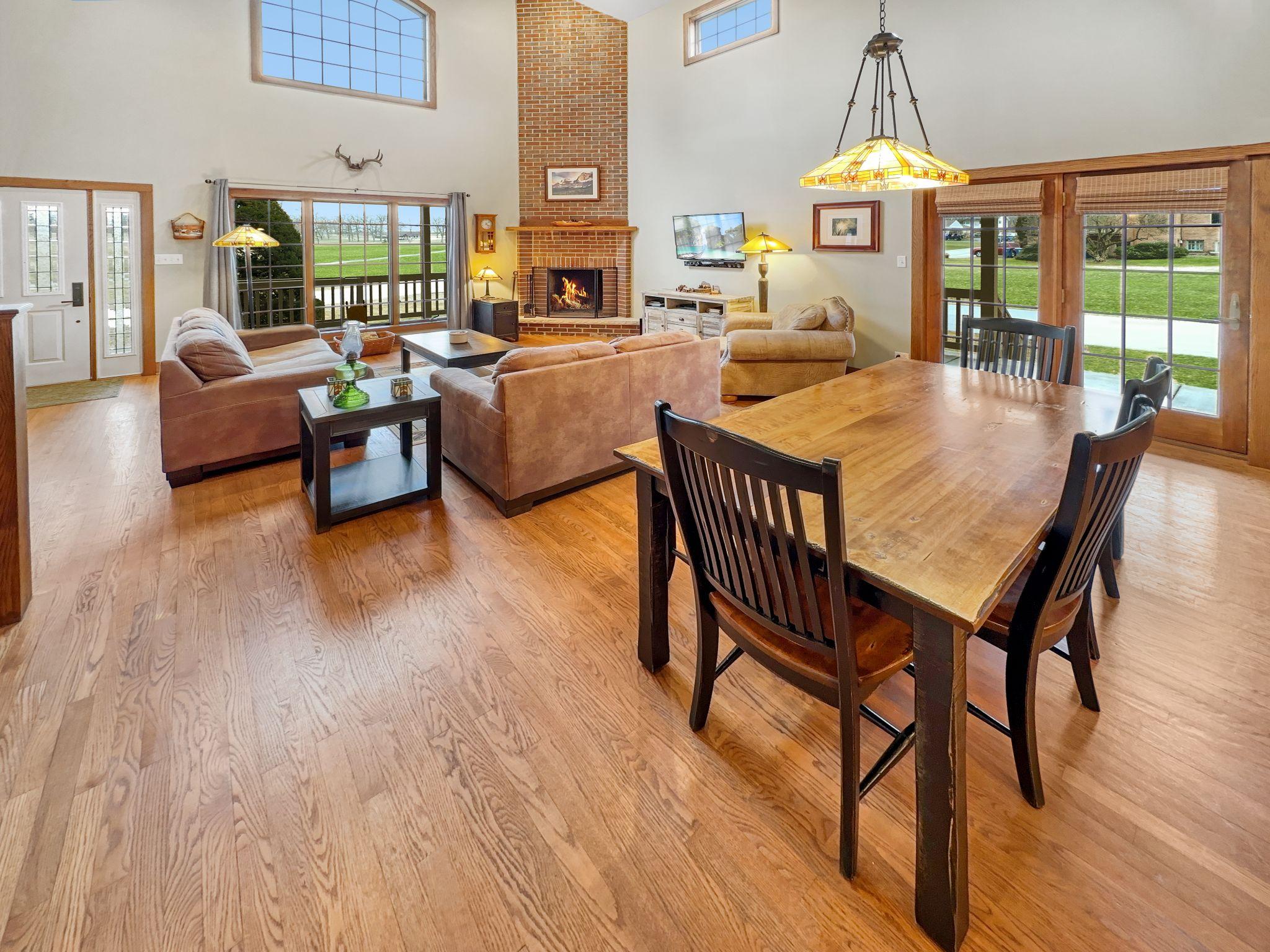
The 6 images taken at different white balances are then merged together, the best parts of each image are taken, to then make the final listing photo as shown below
The other edits made to all photos include:
Lawn Enhancement – Repair or Replace
Sky Enhancement
adding serene screensavers to TVs
White Balancing
Image Sharpening
Vertical & Horizontal Straightening
Remove Minor Blemishes
Lens Distortion Removal
Brightness & Contrast Adjustment
Remove Pool Cleaners from Water
Tone Adjustment
Dust Spot Removal
Flash Reflection Removal
Add Fire to Fireplaces
HDR Bracketing with
Indoor Window Replacement
Item Removal
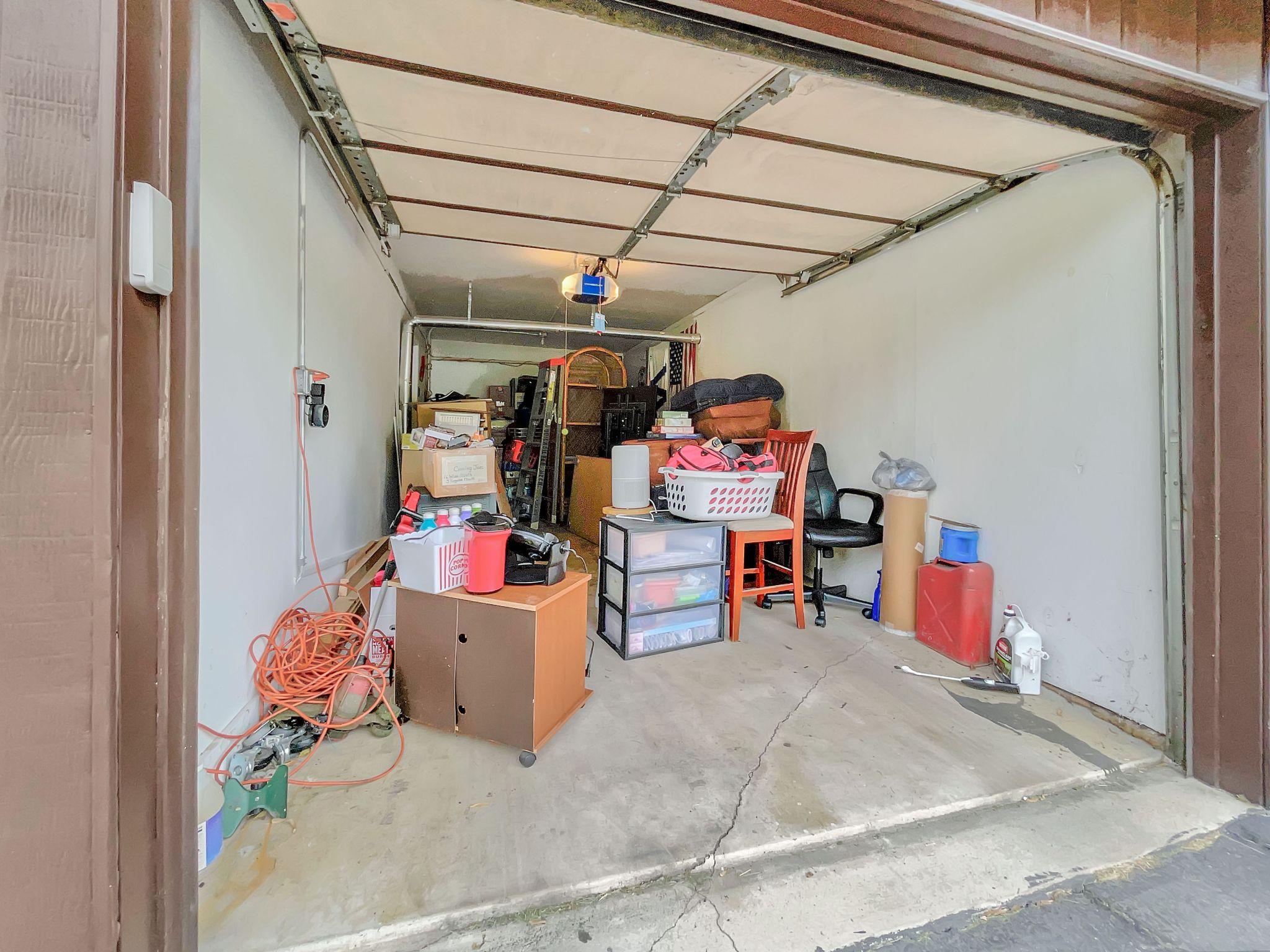
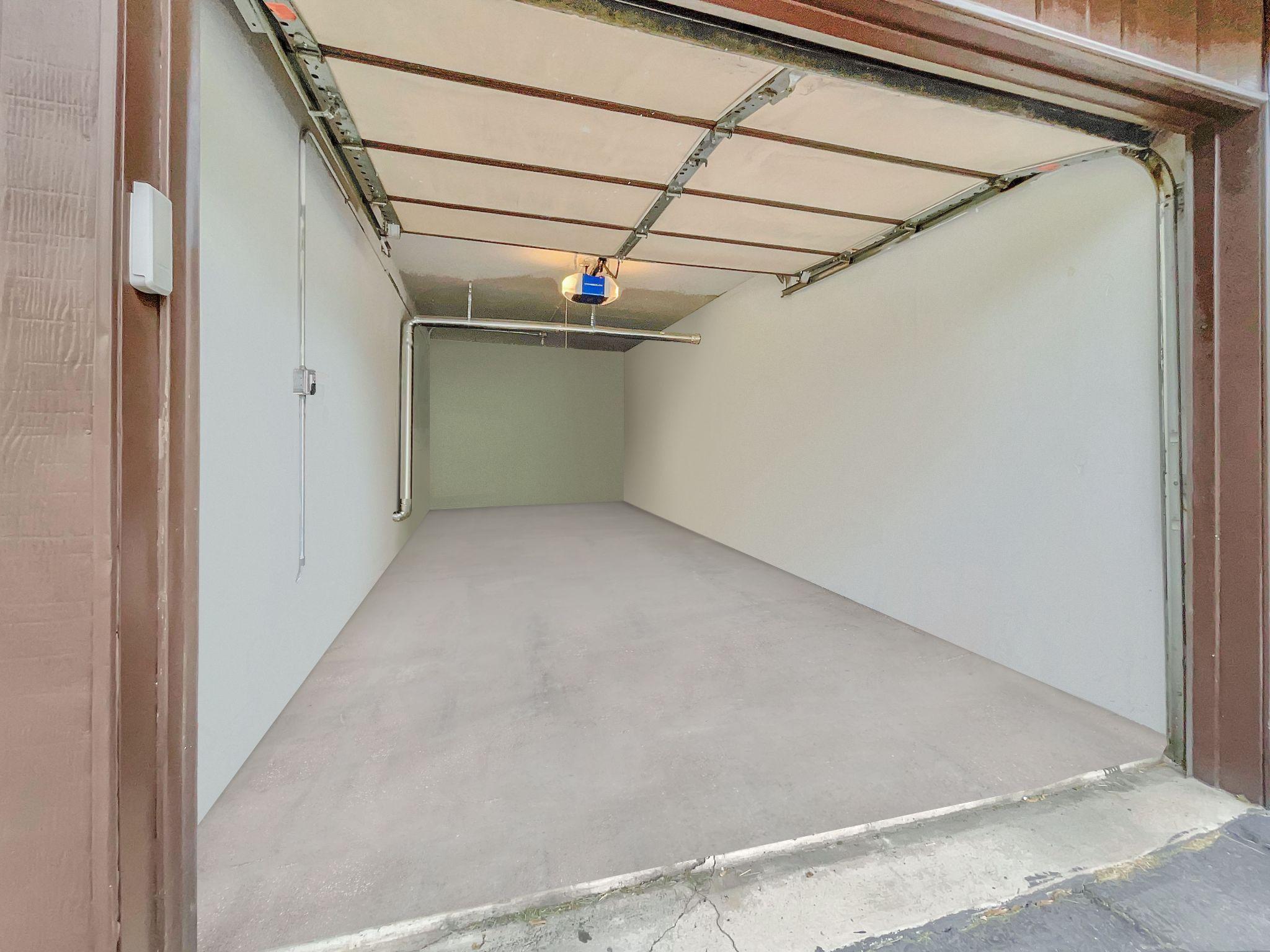
The photo editor is also able to complete “item removal” when it is helpful to virtually clear out a space. In the below photos a seller of a townhouse in Highland, IN decluttered their house and put everything into their garage. I wanted to highlight how deep the garage was (as most townhouse garages in the area aren’t this deep), so I had the photo editor clear out the garage so we could include the photo in the listing photos.
"Day To Dusk" Cover Photos
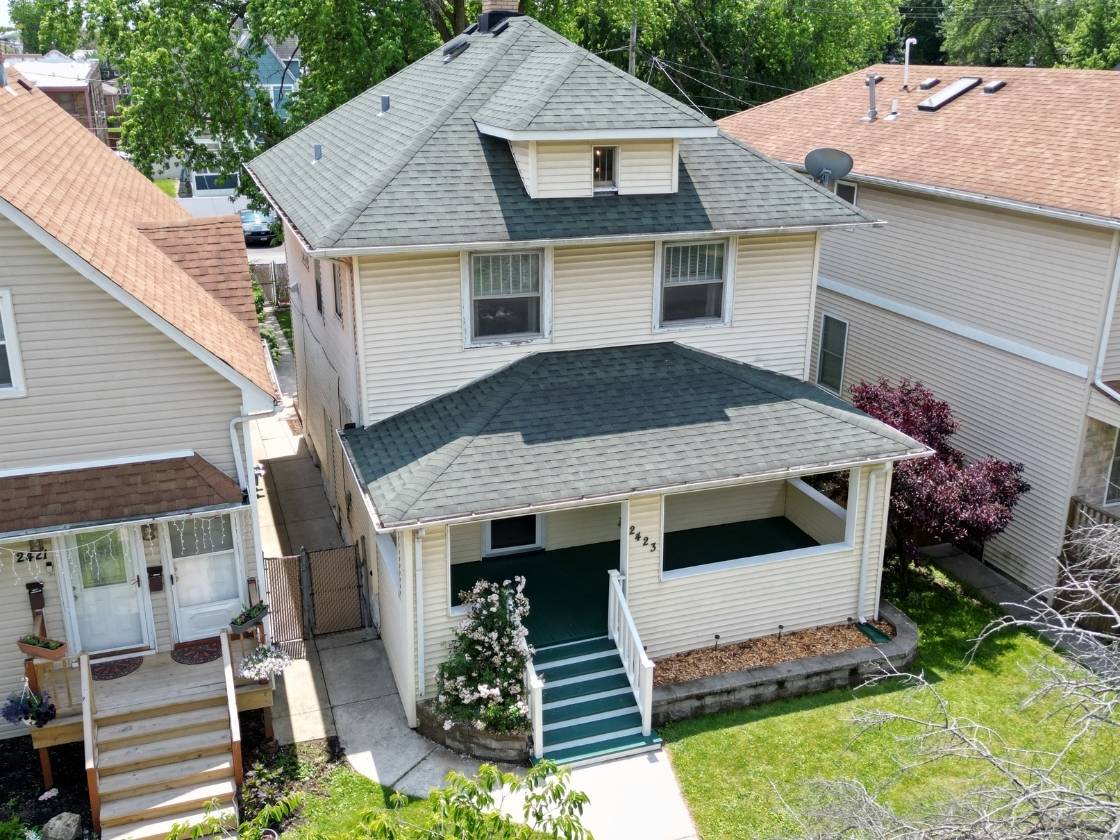
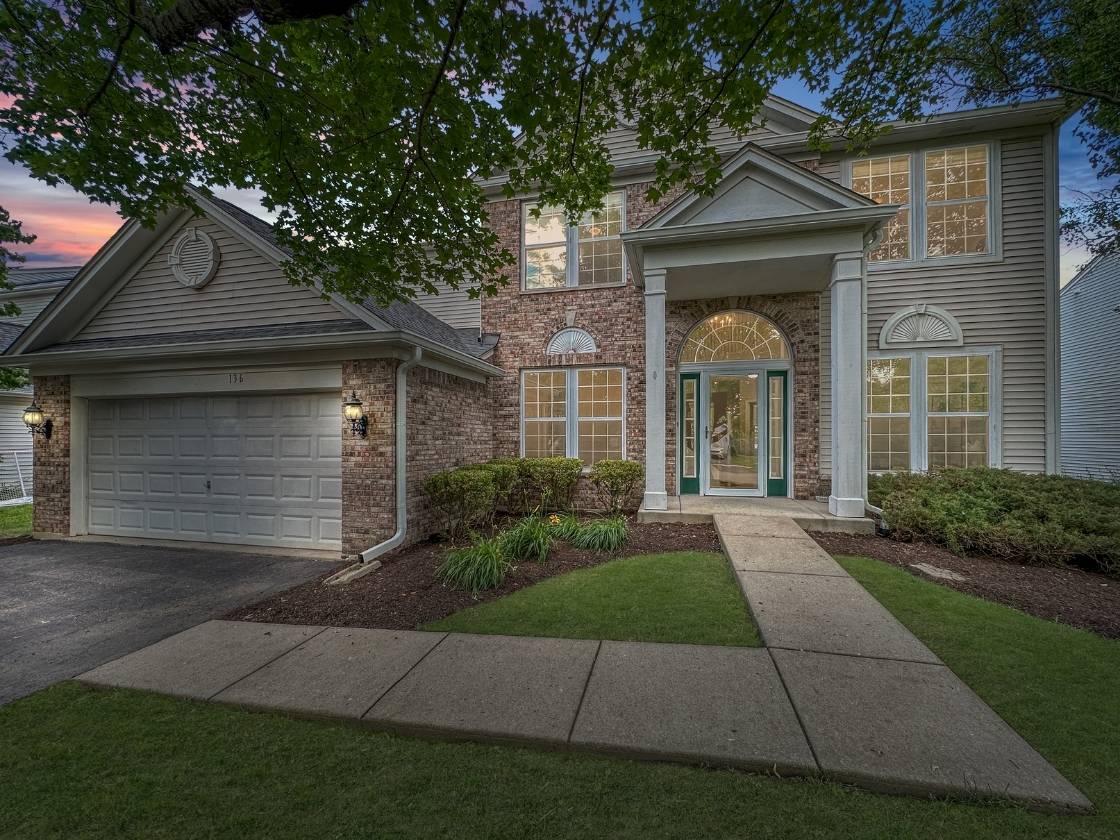
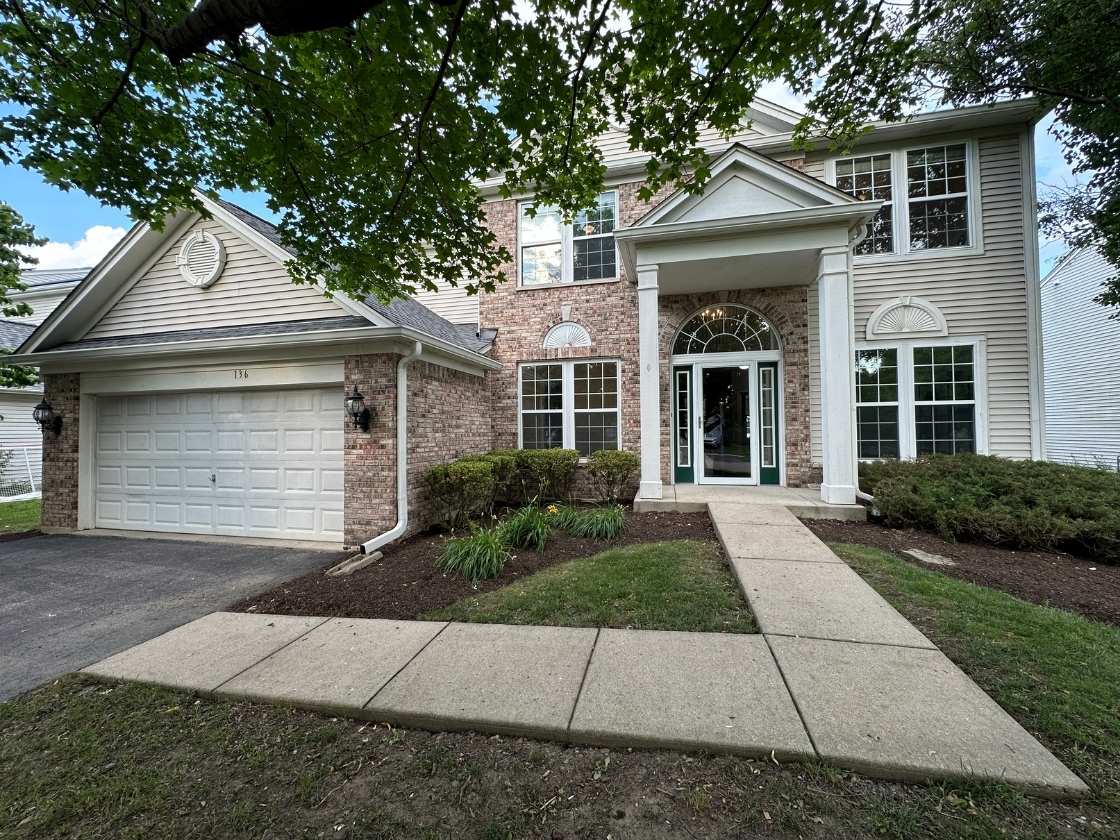
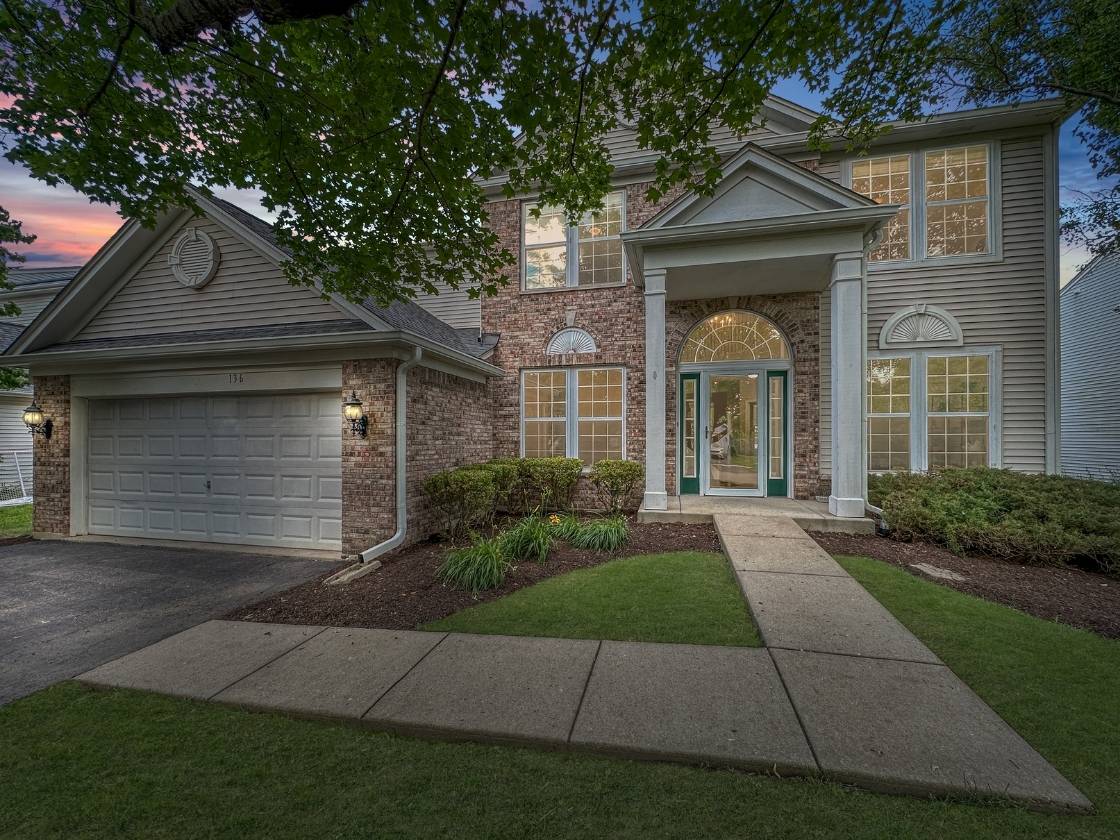
The curent trend for listing cover photos is to show a twilight photo where the sun is setting, and house lights are on and you can see light through the windows. Following are a couple examples of listing cover photos that were edited to make a twilight photo from a daytime photo.
"Day To Dusk" Example 1 - 2434 Collins St., Blue Island, IL
"Day To Dusk" Example 2 - 136 Lilac St., Bolingbrook, IL
Virtual Staging
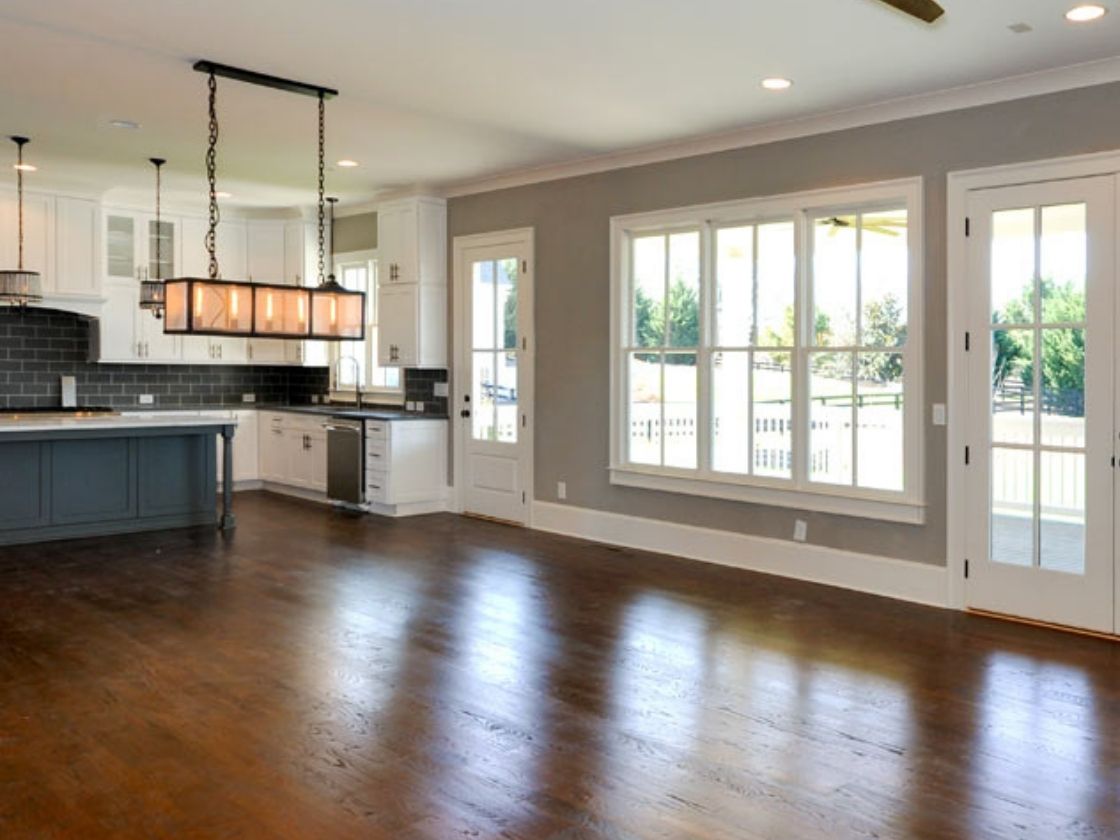
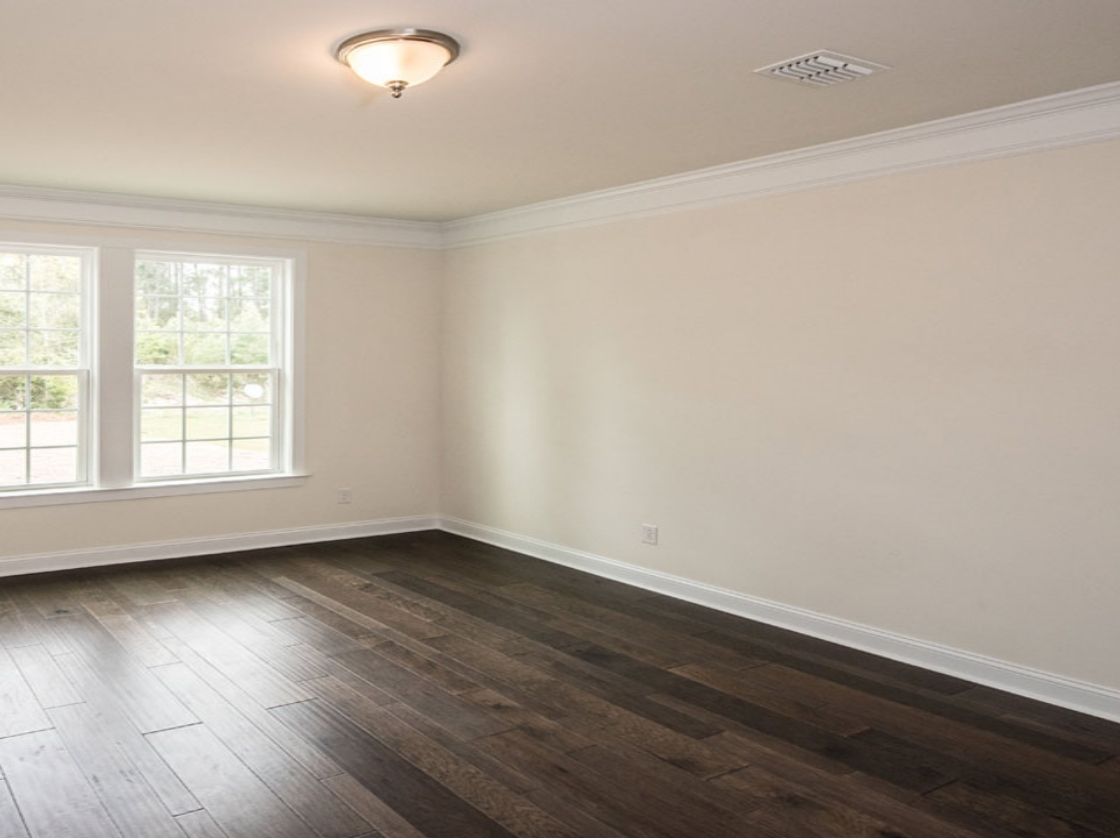
Following are 2 examples of virtual staging. Virtual staging is a great option when you have empty rooms with no furniture. Virtual staging can make an empty room feel bigger, but the main purpose of virtual staging is to give buyers a feel for how the room can be used, and virtual staging makes a space feel “warmer” than an empty room.
Example 1 – adding a dinig table and living room furniture set to an empty open-concept combined kitchen/dining room/living room.
Example 2 – adding a bedroom set to an empty bedroom.
Video Tour
Following are some examples of the video tours we create for our listings.
I record the video tours and then send the footage to the video editor, and then the video editor assembles the video tour.
On the listings in the MLS (which then syndicate out to all the online outlets like Zillow, Realtor.com, Redfin, etc) we are able to include the video tour on the listing so that potential buyers can view the listing tour directly from the online listing
1844 Clyde Rd., Homewood, IL
32302 S. Kedzie Ave., Grant Park, IL
12716 S. Saginaw Ave., Chicago, IL
14806 82nd Ave., Dyer, IN
2213 E. Cleveland Ave., Hobart, IL
13610 E. 10500 N. Rd., Grant Park, IL
Information About Your Home I Collect
While I am at your home I will collect the following information that is needed to prepare your listing, and to provide pricing information to recommend a listing price, called a Comparative Market Analysis (CMA):
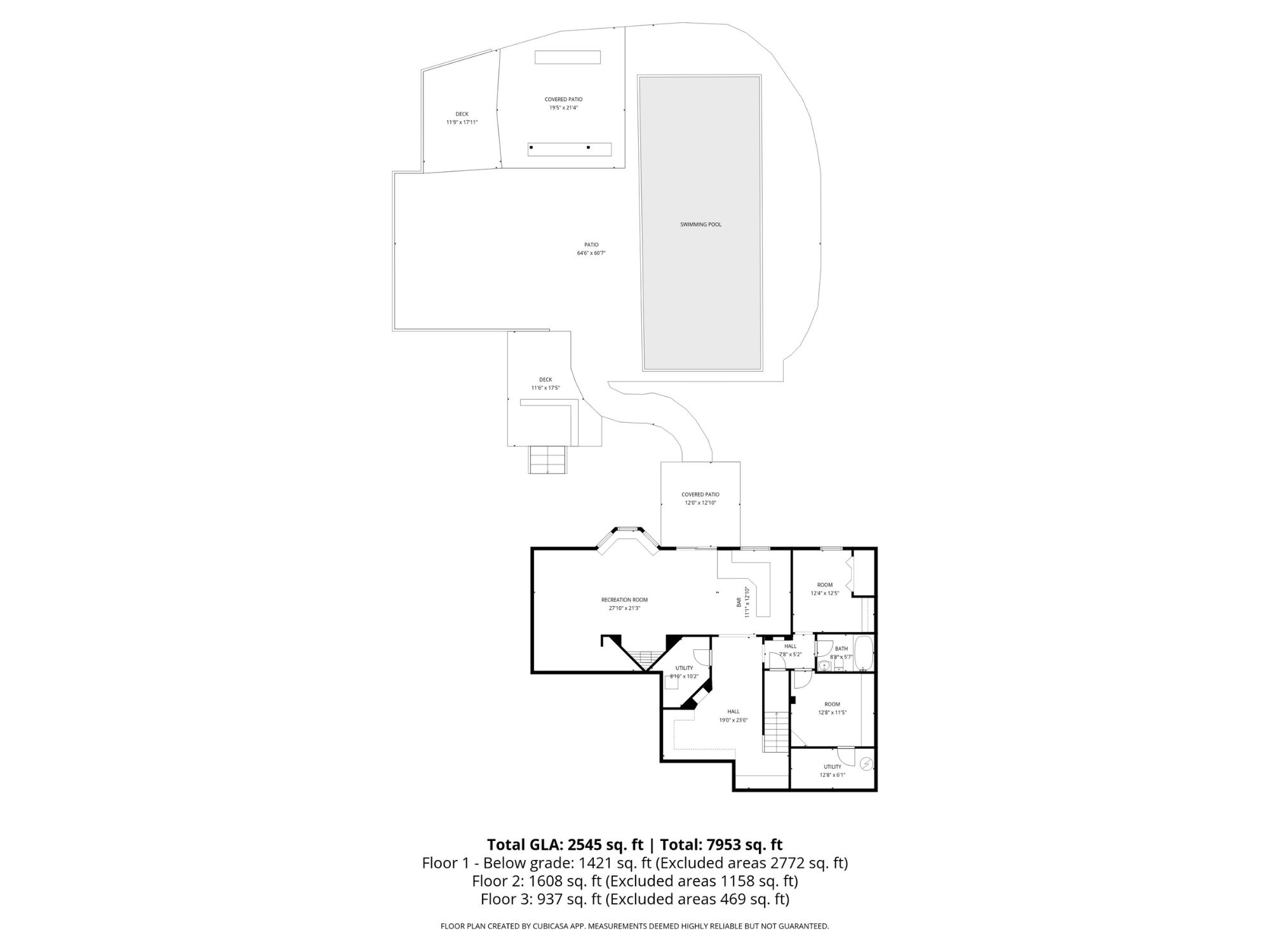
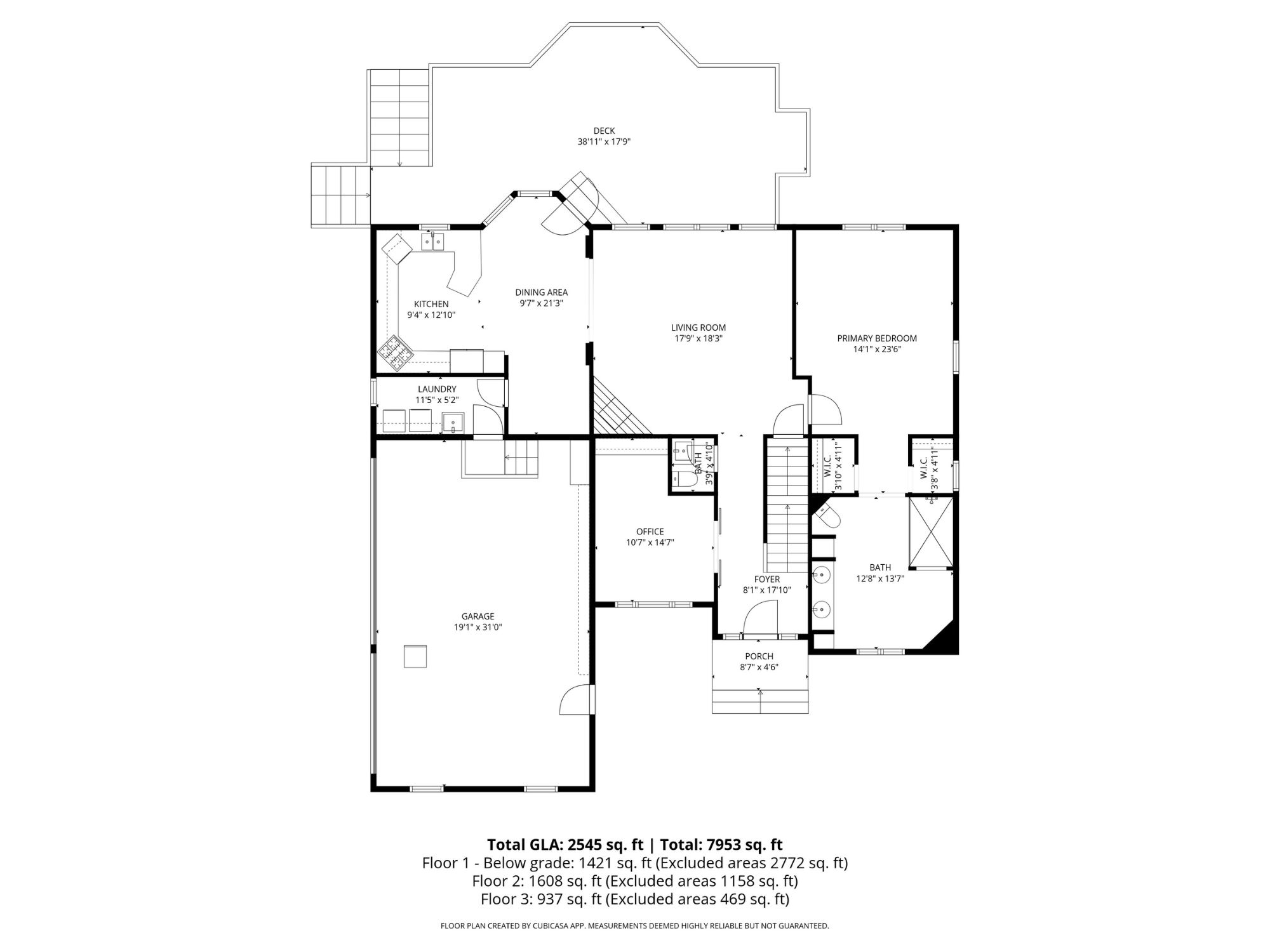
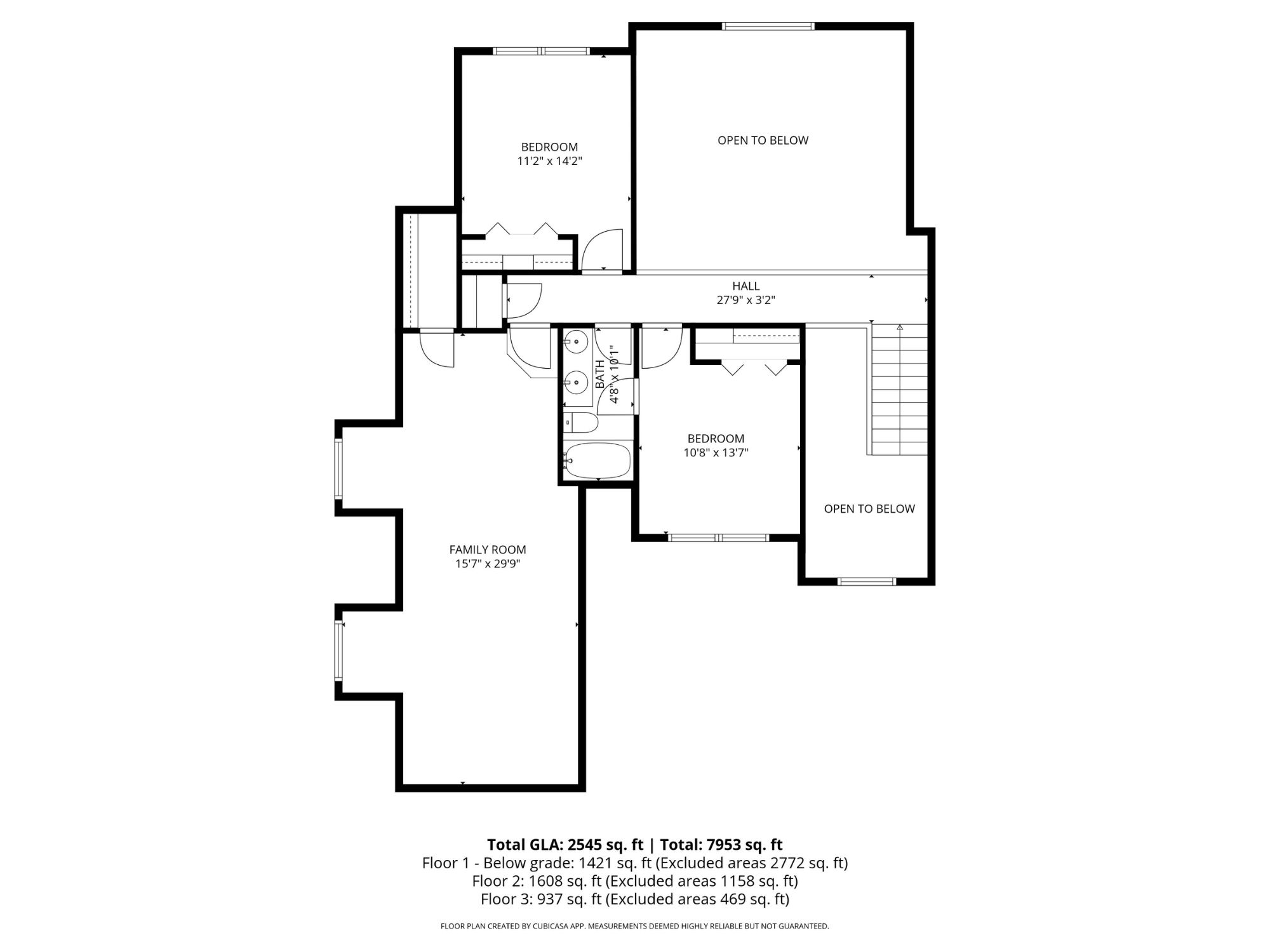
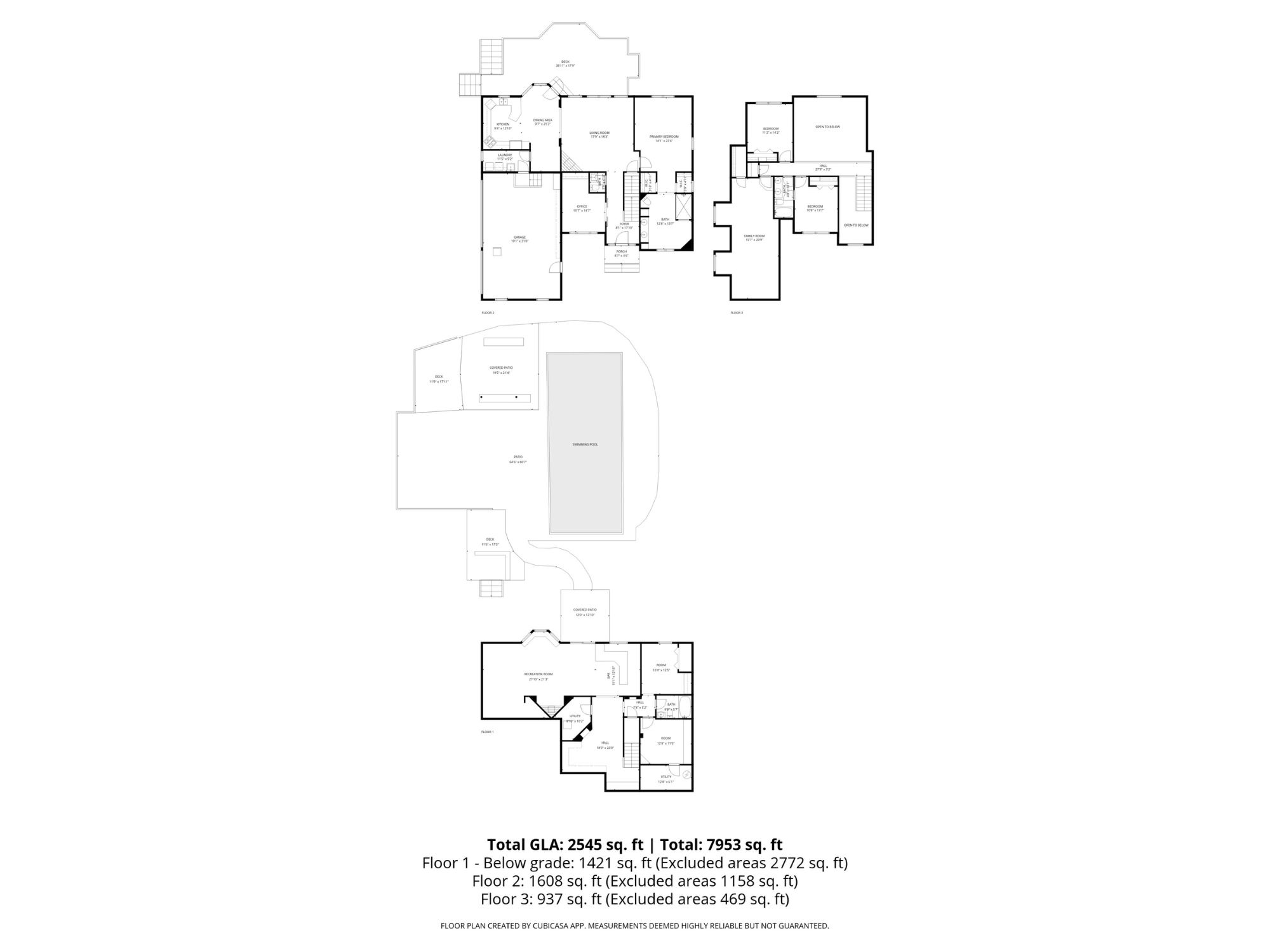
A detailed walk through your house with my house scanning application that will generate a floorplan and detailed measurements
A quick walk through of your home to take a short video (to use as reference when I populate the listing when I need to fill in things like flooring material, surface materials, features)
I will interview you with my home selling questionnaire to collect information like recent work completed, features of the home, things to highlight in the marketing, age of mechanicals
A few teaser photos to use in “coming soon” marketing
Floor Scan To Generate A Floorplan & Detailed Measurements
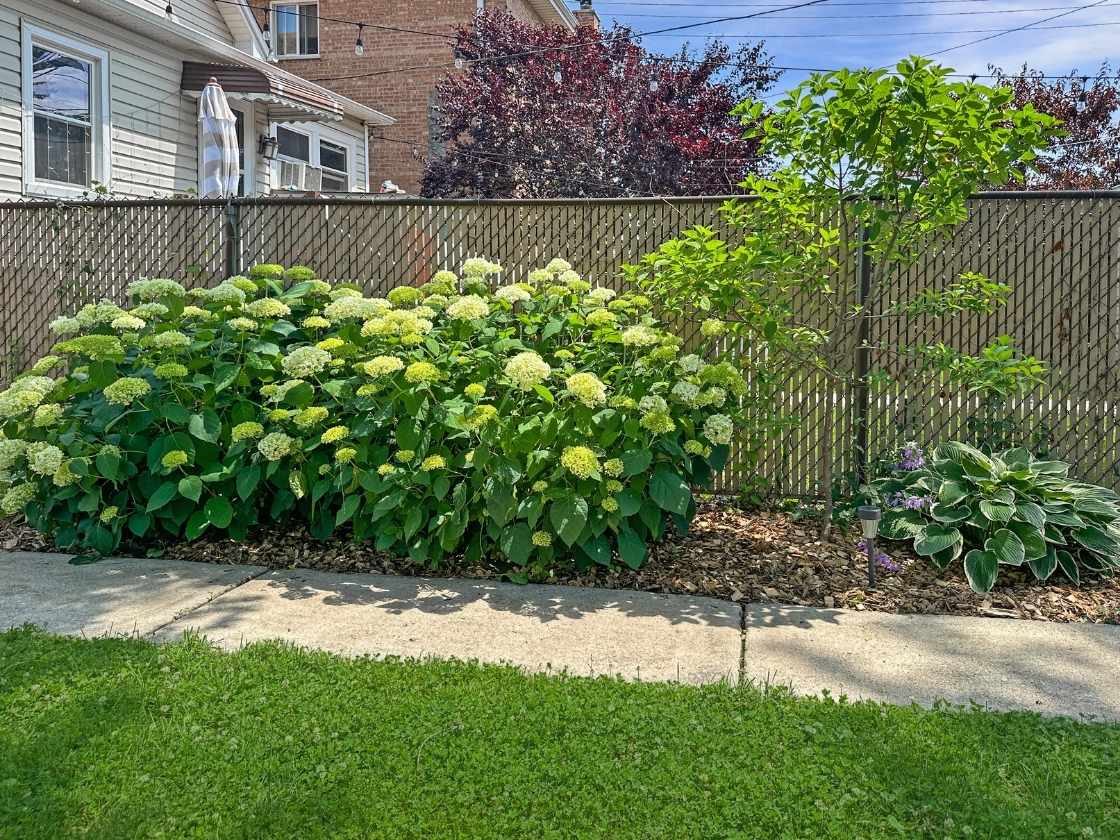
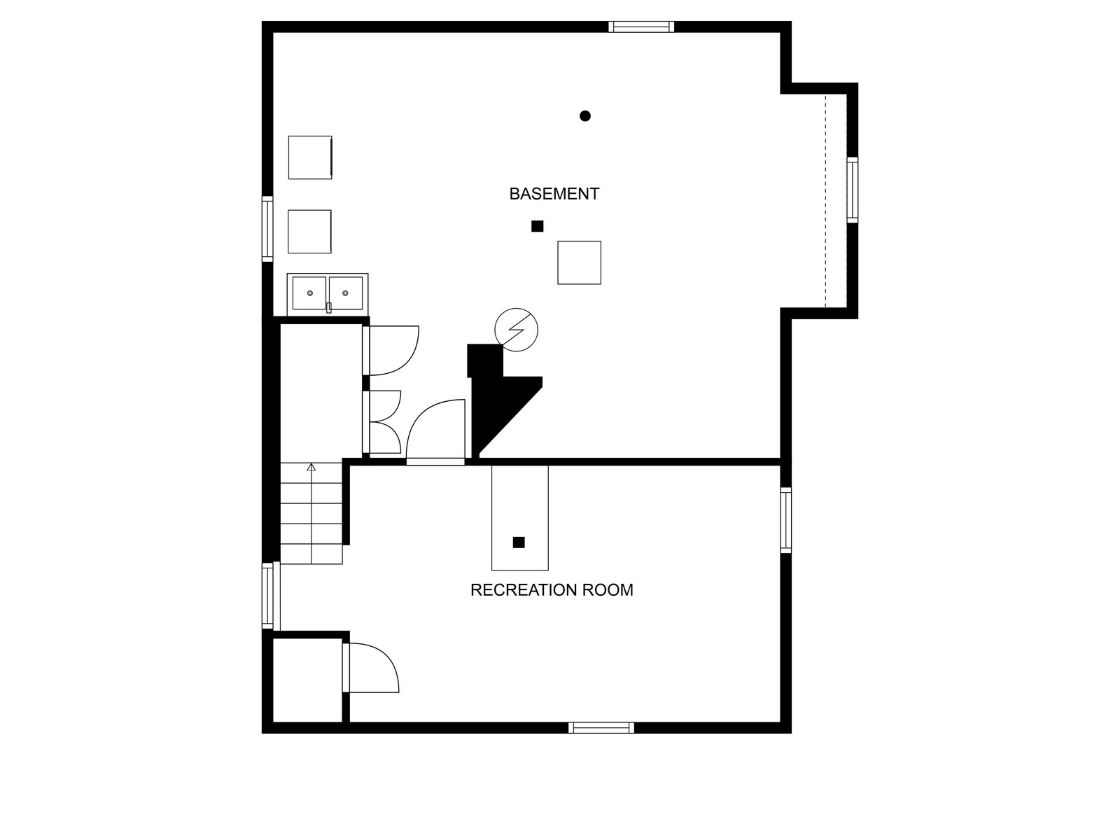
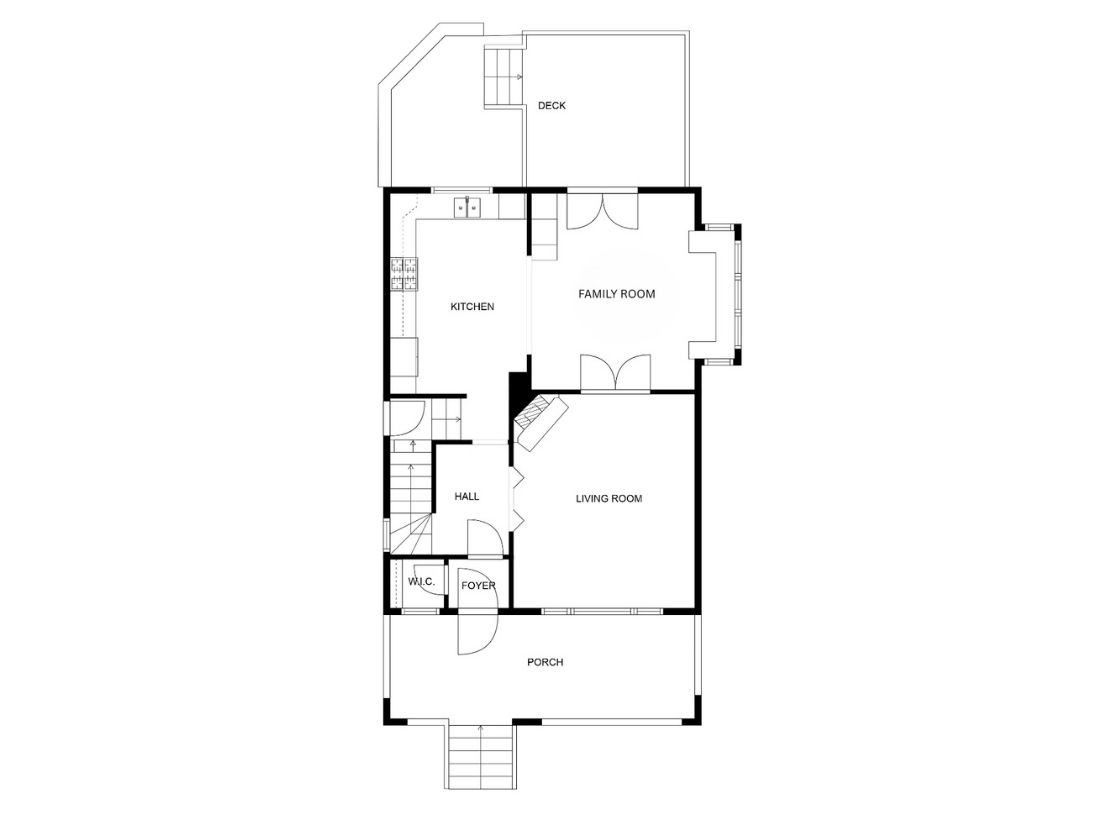
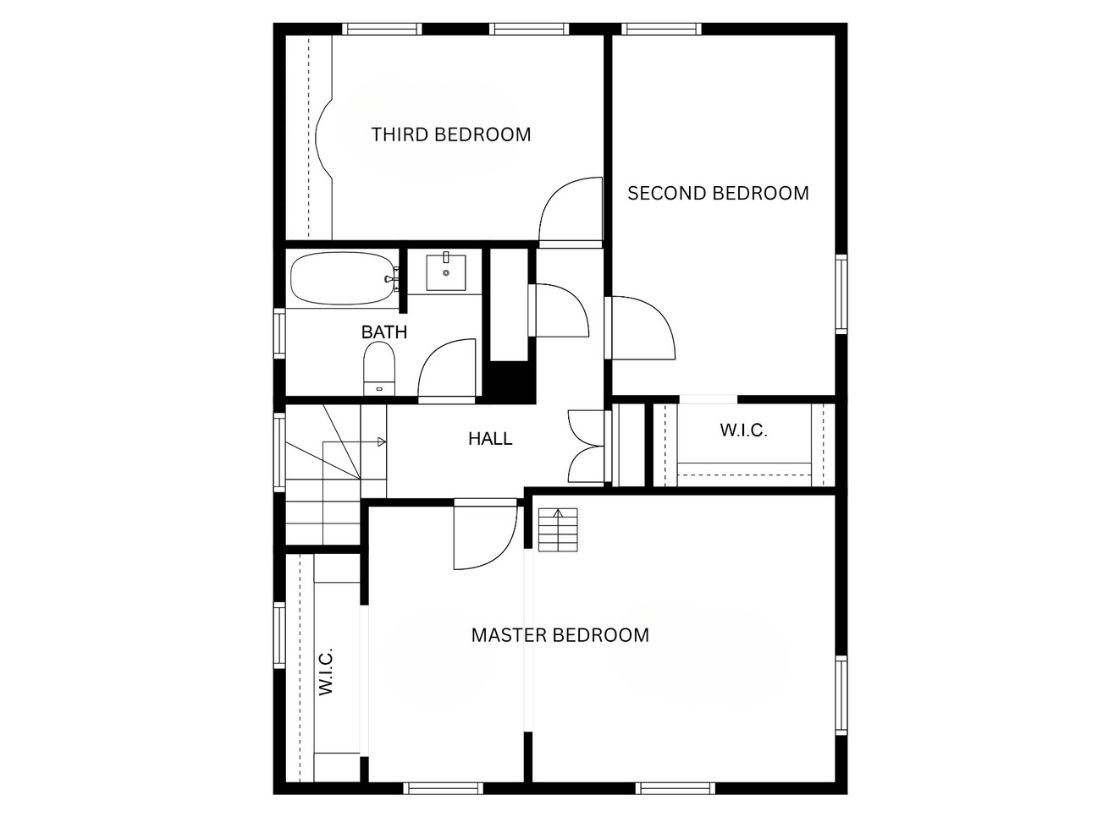
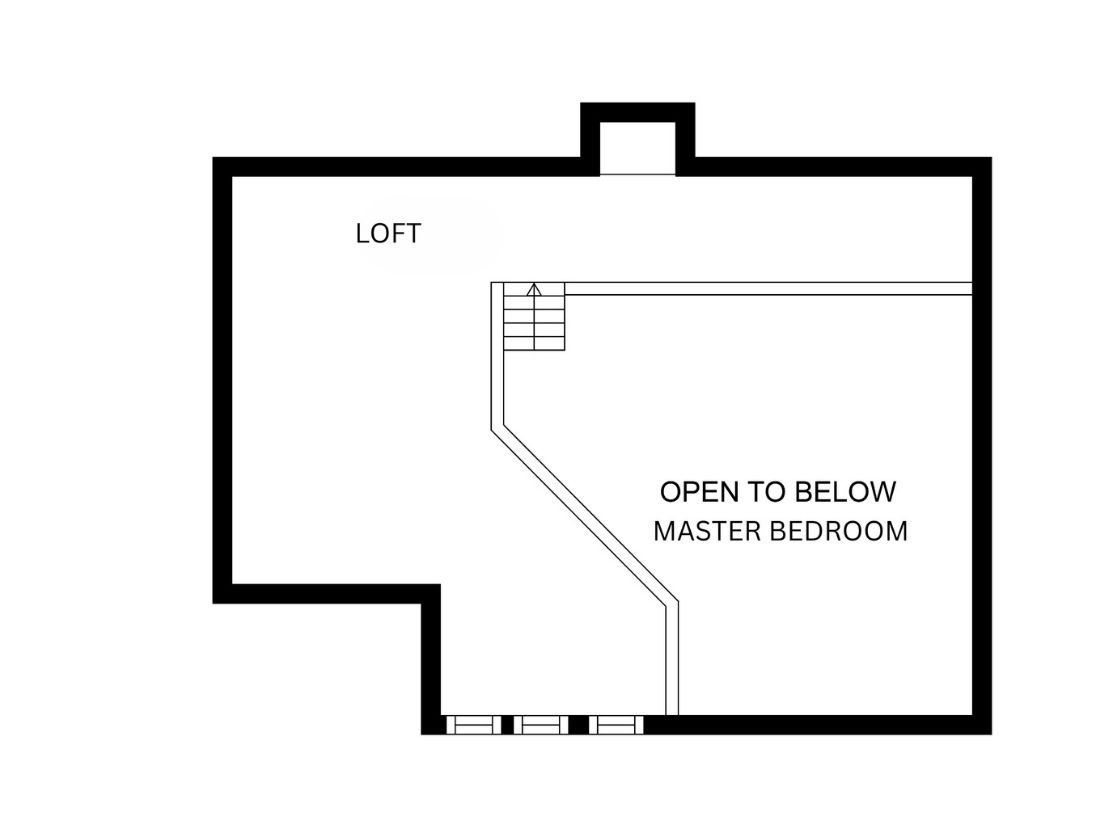
The following 4 images are an example of the floor plan that will be included in the listing of your home (click on each image to enlarge the image).
While at your home for the listing presentation I will walk through your home to scan it, so that I can send the scan file to my floorplan vendor, for them to generate the floorplan.
Not only is a floorplan something that buyers want to see in a listing so that they can picture the layout of your home, the floorplan also calculates the square footage of your home so that I can make sure that you are getting credit for all the square footage of your home. For example, there was a house I had a floor scan of, and then I saw that it was listed again, and the listing agent used the county record square footage of 2,000 square feet, where the actual square footage was 2,300 square feet. At $60/square foot (conservatively), this listing agent (that didn’t have a floor scan completed) under listed the house by about $18,000. Many real estate agents will just use the square footage from county records, or use the square footage in the MLS from the last time the home was sold – what can cost their sellers money if the list the square footage short of what the actual square footage is.
A Short Video Walk Through Tour
When I fill out the listing in the MLS, there are a LOT of data fields to populate with information such as: flooring material of each room, hard surface materials, materials of the exterior your home, etc. I record a short video tour of the inside and outside of your home so that I can use that video to look at when populating all the listing fields.
Walkthrough The House To Draft A Pre-Listing Punchlist
At the listing consulation I walk through your home and prepare a list of recommended work (called a “punchlist”) to complete before listing your home on the market. Some houses need no work, and some houses need much work.
To create a pre-listing punchlist I use my smartphone and Google Docs to provide a list of items with a photo to make it easy to follow. View a pre-listing punchlist for a house we sold in Bolingbrook IL.
On the punchlist I categorize any noted items of work as high priority, optional, or low priority. High priority items of work are items that really should be done so that buyers don’t get turned off from the property (such as offensive odors). Optional items of work would be something like repairing nicks in drywall. Low priority items would be something like replacing light bulbs of different brightness so that they all match.
Entering The Listing Into The Multiple Listing Service (MLS)
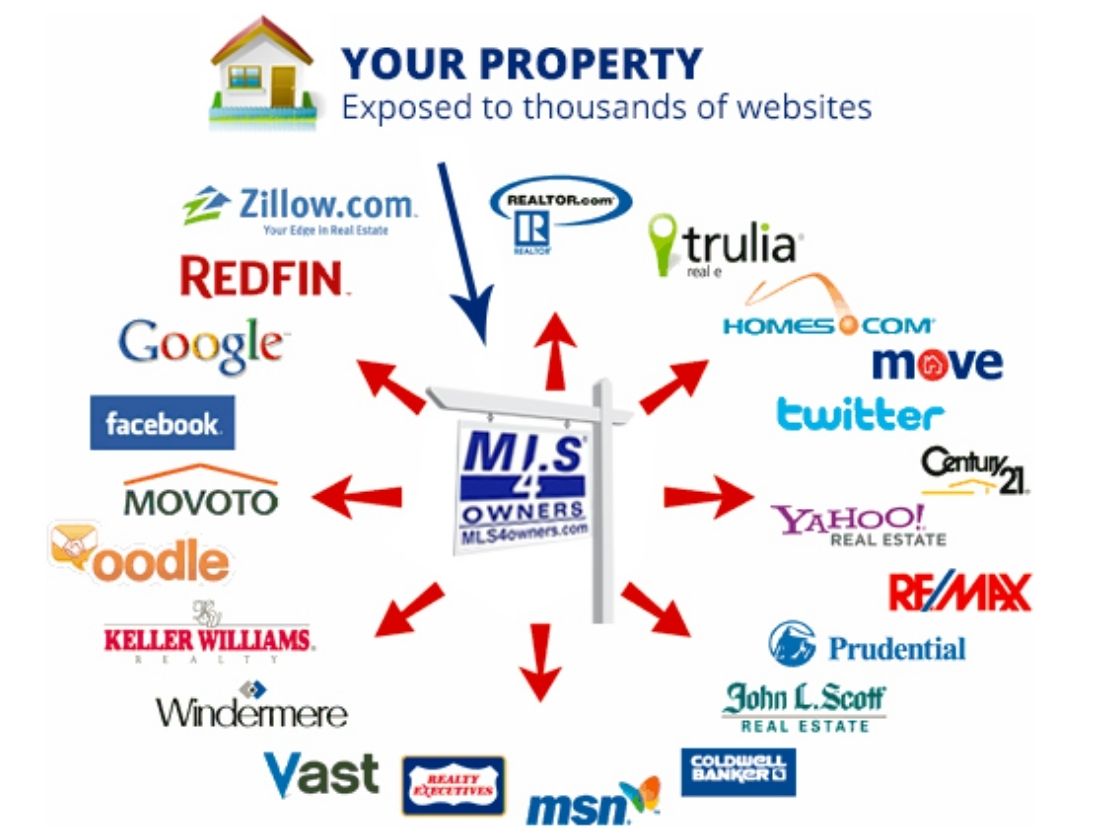
One of the most common questions I receive is “where will the listing be shown?” The short answer is that your listing will “syndicate” out to all the online outlets that you can think of, and then hundreds of additional locations.
The below infographic shows the main online outlets that most people think of, which include:
Floor Scan To Generate A Floorplan & Detailed Measurements
…
City Specific Pre-Sale Inspections
Some cities require pre-sale inspections.
We want to get this inspection process completed before listing your home on the MLS so that there are no surprises.
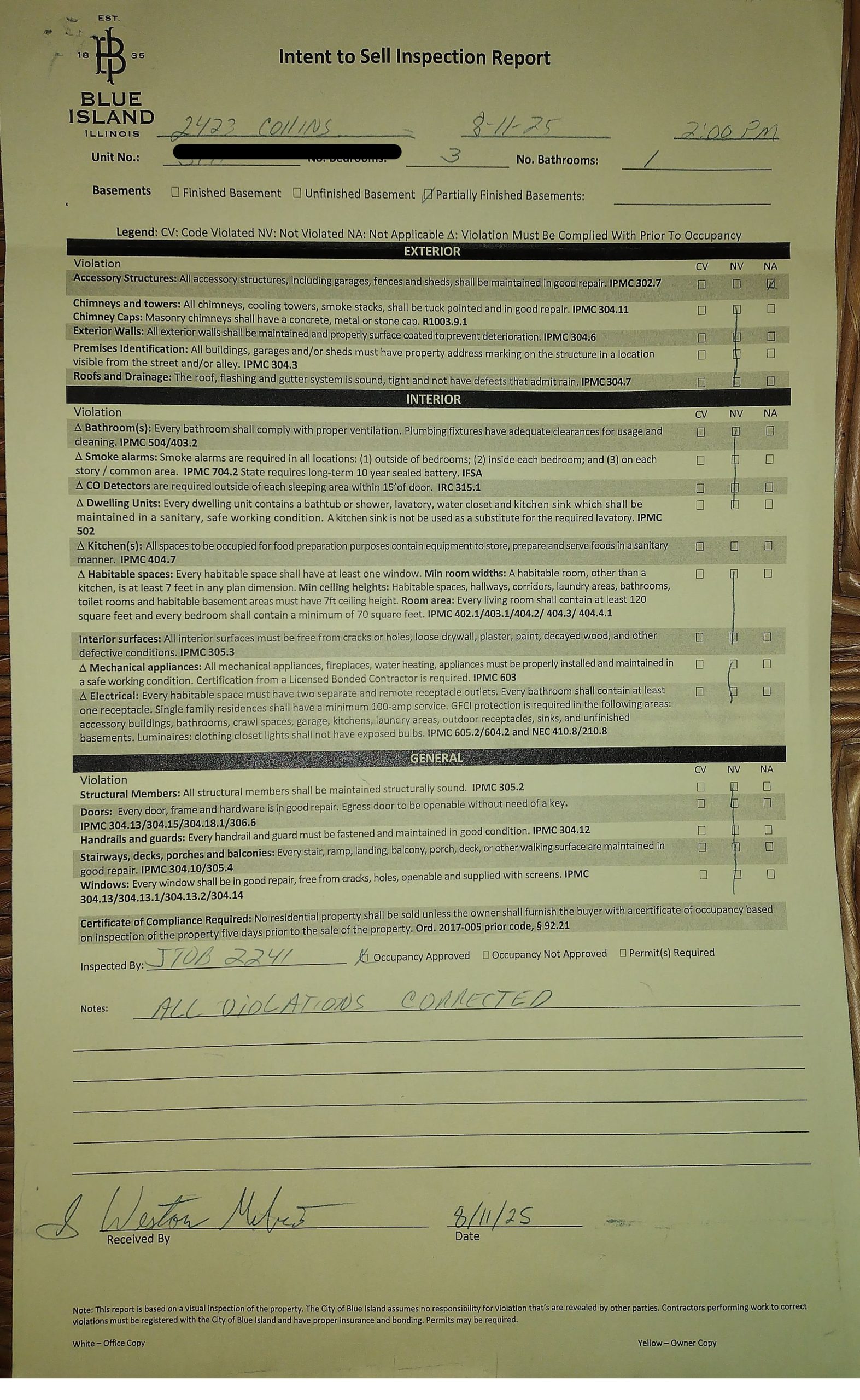
Inspection sign-off from the City of Blue Island
(click the image to see the whole form)
In the MLS we will make note that the city inspection process has been completed, and I upload the city sign-off to the listing so that buyers agents can see the city sign-off documentation so that they can confirm to their buyers that the city inspection process is complete. Also, many seasoned buyers-agents will shy their buyers away from touring homes where the city inspection process is not complete because the city inspection process can complicate or kill some deals.
How the city inspection process usually works is that the seller will need to contact the city to schedule the inspection. The city will then complete the inspection and provide a list of any required repairs. If no repairs are required then the city will provide a sign-off that no repairs are required. Once repairs are completed, the seller will then contact the city for a re-inspection. The city will complete the re-inspection to confirm the repairs are complete, and then provide documentation stating that all repairs are completed.
Step 2 - Prepare Your Home For Selling
Complete Any Pre-Listing Work
At the listing consulation I walk through your home and prepare a list of recommended work (called a “punchlist”) to complete before listing your home on the market. Some houses need no work, and some houses need much work. To create a pre-listing punchlist I use my smartphone and Google Docs to provide a list of items with a photo to make it easy to follow. View a pre-listing punchlist for a house we sold in Bolingbrook IL.
Prepare Your Home For Photography
After any pre-listing repairs are completed, its now time to get the house ready for photography. The main things to do to prepare for the photo shoot are: decluttering, cleaning, clean up landscaping and mow the lawn, open all the shades, turn off all the fans, turn on all the lights. Our photographer will help get each photo ready by moving furniture and things around in your home to make each photo look the best.
Step 3 - Determine List Price
You as the seller, of course, have the final say on what price we list your house at. Its my job as your agent to provide you the market data to make an informed decision. I do this by completing a Comparative Market Analysis (which we call a “CMA”), which is a detailed comparasion of your home, to similiar homes that have recently sold. My CMA process is nearly identical to what an appraiser will do to determine the value of your home.
This is when our 87 point marketing plan kicks into high gear! Some highlights of our marketing plan include:
Putting your home in the private listing network before going live in the public listing network
Completing a “reverse propespecting” campaign where we research buyers that have a saved home search alert that your home meet the criteria of, and we reach out to those buyers
Step 6 - Listing Goes Live in the Multiple Listing Service (M.L.S.)
Step 7 - Showings
We are partnered with a photo editor and a video editor that takes the photos and videos and makes them into something pretty amazing. Our photos are “bracketed” photos, meaning each photo is actually 7 photos of the same picture with different white balance so that the editor can combine them into one super photo (which is how you can see through windows in the listing photos.). The editors have a long checklist of other tuchups and edits they complete.
Step 8 - Receive, Negotiate and Accept an Offer
Step 9 - Escrow Process
The time from accepting an offer to the closing is called “escrow.” We are partnered with a photo editor and a video editor that takes the photos and videos and makes them into something pretty amazing. Our photos are “bracketed” photos, meaning each photo is actually 7 photos of the same picture with different white balance so that the editor can combine them into one super photo (which is how you can see through windows in the listing photos.). The editors have a long checklist of other tuchups and edits they complete.
Step 9 – Escrow Process (The time for accepting an offer to closing)
Once an offer is accepted, the period of time until closing is most often called “in escrow” or “under contract.” Many things happen in this period of time, including:
The buyer will have the inspection completed
If the buyer is getting a home loan to buy your home, after the offer is accepted, the buyer will then complete the full loan application, and the lender will begin the “underwriting” process, which is when the lender reviews the full loan application (latest bank statements, proof of employment, latest credit, etc) to approve the loan
The title company prepares the closing documents (title insurance, warranty deed)
In Illinois the buyer and seller onboard their own attorney to represent them. In Indiana attorneys are generally not involved.
The title company and the lender will coordinate to finalize the “settlement statement” – which is the the document that lists all the fees and credits. The settlement statement will be provided by the title company within 48 hours of closing (and its usaully down to the last minute when the title company sends this information.)
The buyer will wire their closing funds to the title company to hold the funds in their escrow account so that the funds are on hand and available for closing. In Illinois, funds up to $50,000 can be in the form of a cashier’s check, and above $50,000 has to be wired. In Indiana, funds up to $10,000 can be in the form of a cashier’s check, and above $10,000 has to be wired.
Step 10 – Closing
Complete The Listing Paperwork, Disclosures, & Questionnaire
At the end of listing presentation, and all your questions have been answered, we then complete the listing paperwork so that I can begin preparing to get your house on the market. There is a lot of homework I have to do, and other vendors I have to pay for their services (photo editor, video editor, floorplan service, advertising, etc) in order to prepare an excellent listing for your home, so we fill out and sign all the paperwork at the listing appointment so that I am under contract to work on your behalf.
Illlinois Listing Paperwork & Disclosures
Following is the listing paperwork and disclosures for Illinois: